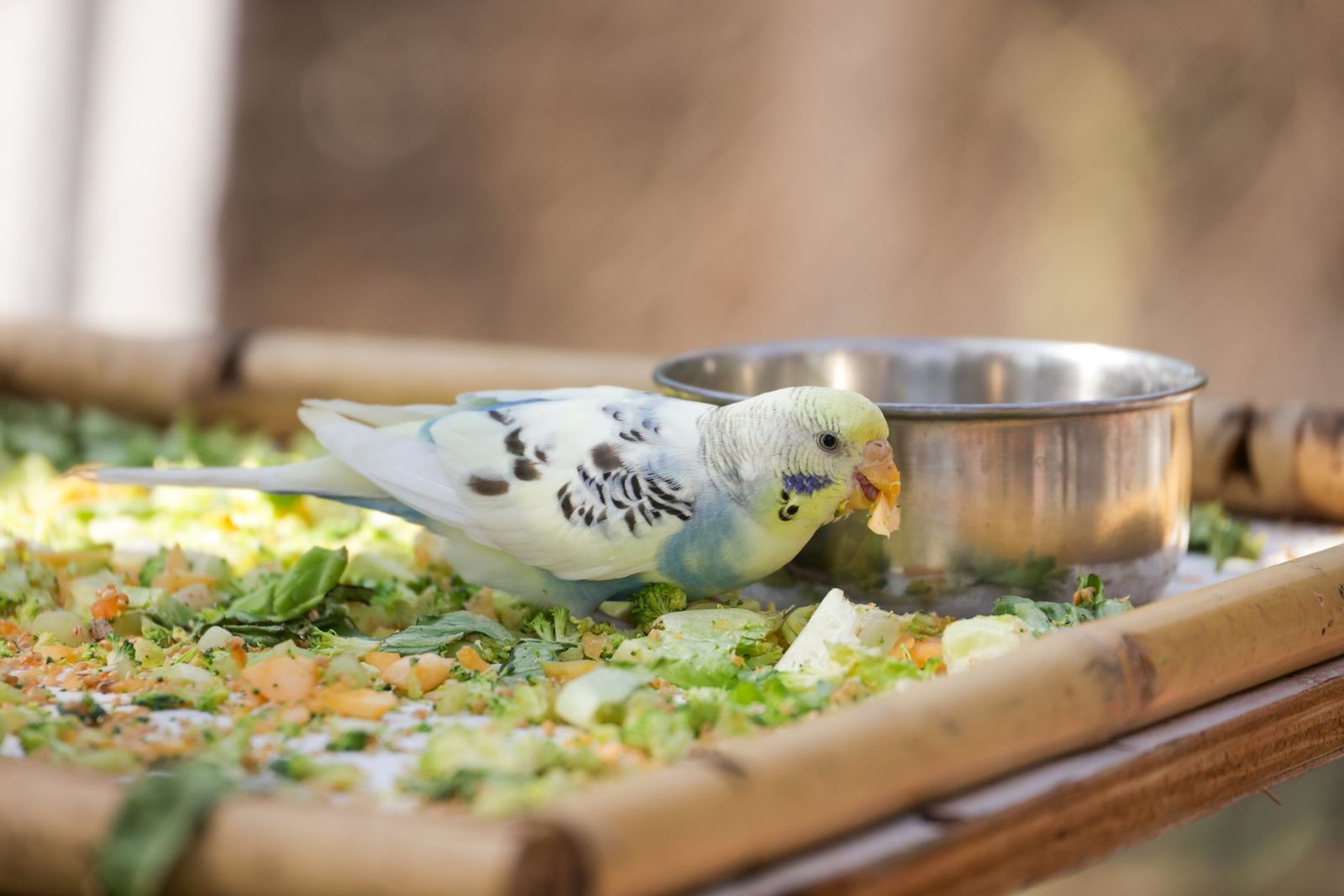
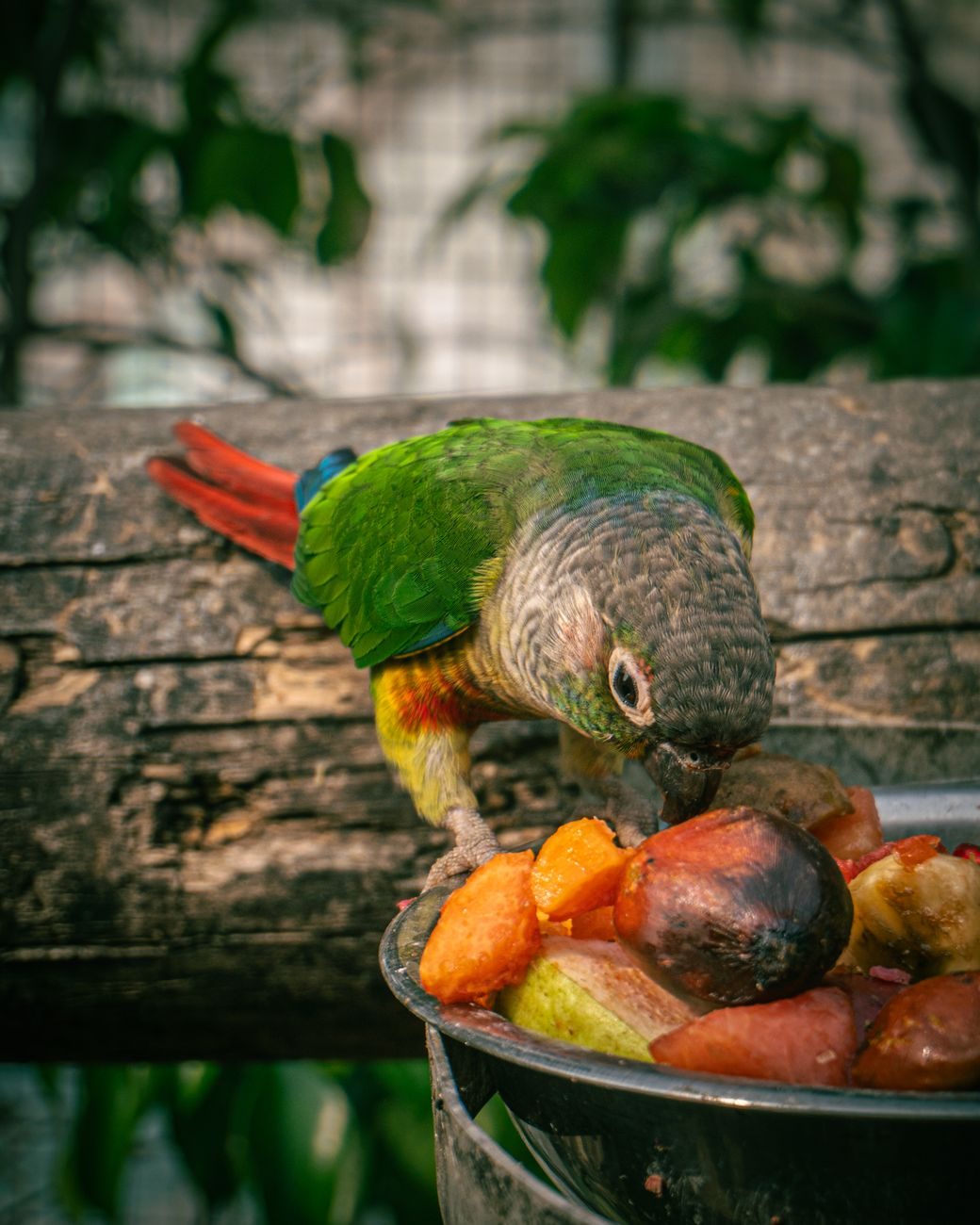
Most of the diarrhoea cases we hear about from bird owners in India start in the food bowl, not in the bird. Soaked seeds, sprouts, boiled dal, chopped vegetables and fruit are all good foods for budgies, cockatiels, lovebirds and conures. But at Indian room temperatures, and especially in the monsoon, a bowl of wet food can turn into a culture dish of bacteria, yeast and mould within a few hours. A bird that picks at it through the afternoon swallows all of that.
The result is a pattern avian vets see constantly: wet, smelly droppings, a fluffed-up bird, and often a yeast or fungal infection on top. This guide explains how to tell real diarrhoea from harmless watery droppings, which signs mean an emergency, what to do before you reach the vet, how infections are treated, and the simple food-handling routine that prevents most cases.
See an avian vet today if your bird has diarrhoea and any of these:
It is fluffed up and sleepy, sitting on the cage floor, not eating, bobbing its tail while breathing, vomiting or regurgitating, or has blood, black or bright lime-green colour in its droppings. Small birds hide illness until they are very sick, and a budgie can go downhill in a day or two.
First, is it really diarrhoea?
A healthy bird's dropping has three parts, and knowing them saves a lot of unnecessary panic:
| Part | Normal | Worrying |
|---|---|---|
| Faeces (the solid part) | Formed, green to brown, coiled or tubular | Loose, unformed, mushy or watery; bad smell; mucus; whole undigested seeds; red or black colour |
| Urates (the white part) | Chalky white or cream | Yellow, lime-green or brown, which can point to liver disease or infection |
| Urine (the clear liquid) | A small clear wet ring | Very large volumes all day with no change in diet; red or pink tint |
Watery droppings are often not diarrhoea at all. When a bird eats cucumber, watermelon, soaked seeds or lots of greens, or drinks more in summer heat, the urine part increases and the droppings look wet. This is called polyuria. It is harmless as long as the faecal part in the middle is still formed and green or brown, and the bird is active and eating. Real diarrhoea means the faecal part itself is loose.
A simple check: put white paper on the cage floor for a few hours and look at a fresh dropping. If the centre is formed and only the puddle around it is bigger, it is probably the diet. If the centre itself is a shapeless smear, treat it as diarrhoea.
Why soft and soaked foods cause so many problems
Soaked and sprouted seeds, cooked grains and dal, egg food, chopped vegetables and fruit are genuinely good for pet birds. They add vitamins, moisture and variety that a dry seed mix lacks. The trouble is not the food. It is how long it sits in the cage.
Wet food at 28–38°C is close to ideal for microbes. In practice:
- Bacteria such as E. coli, Klebsiella and Pseudomonas multiply quickly in moist food. They also grow in water bowls and drinkers, and droppings falling into food or water add more. These are the most common cause of bacterial diarrhoea in pet birds.
- Yeast, mainly Candida, thrives on sugary, starchy soft food: sprouts, fruit, cooked rice, bread, and hand-feeding formula. It overgrows in the mouth, crop and gut, especially in young birds and in birds that have had antibiotics.
- Moulds, including Aspergillus, grow on damp seed, sprouts left too long, soggy food stuck in bowl corners, and seed stored in humid monsoon air. Some moulds produce aflatoxins, poisons that damage the liver even in tiny amounts. Peanuts and maize are especially risky.
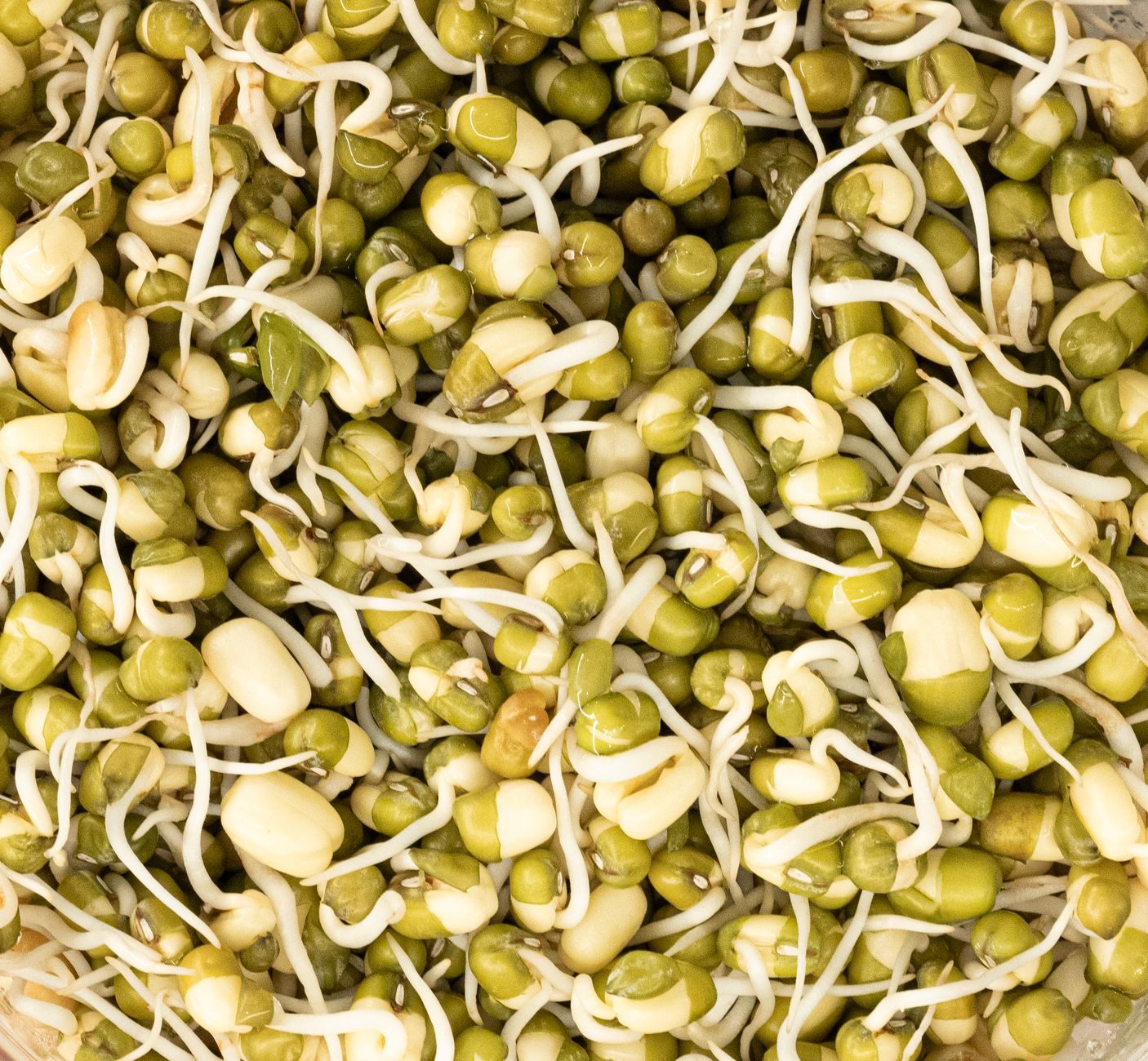
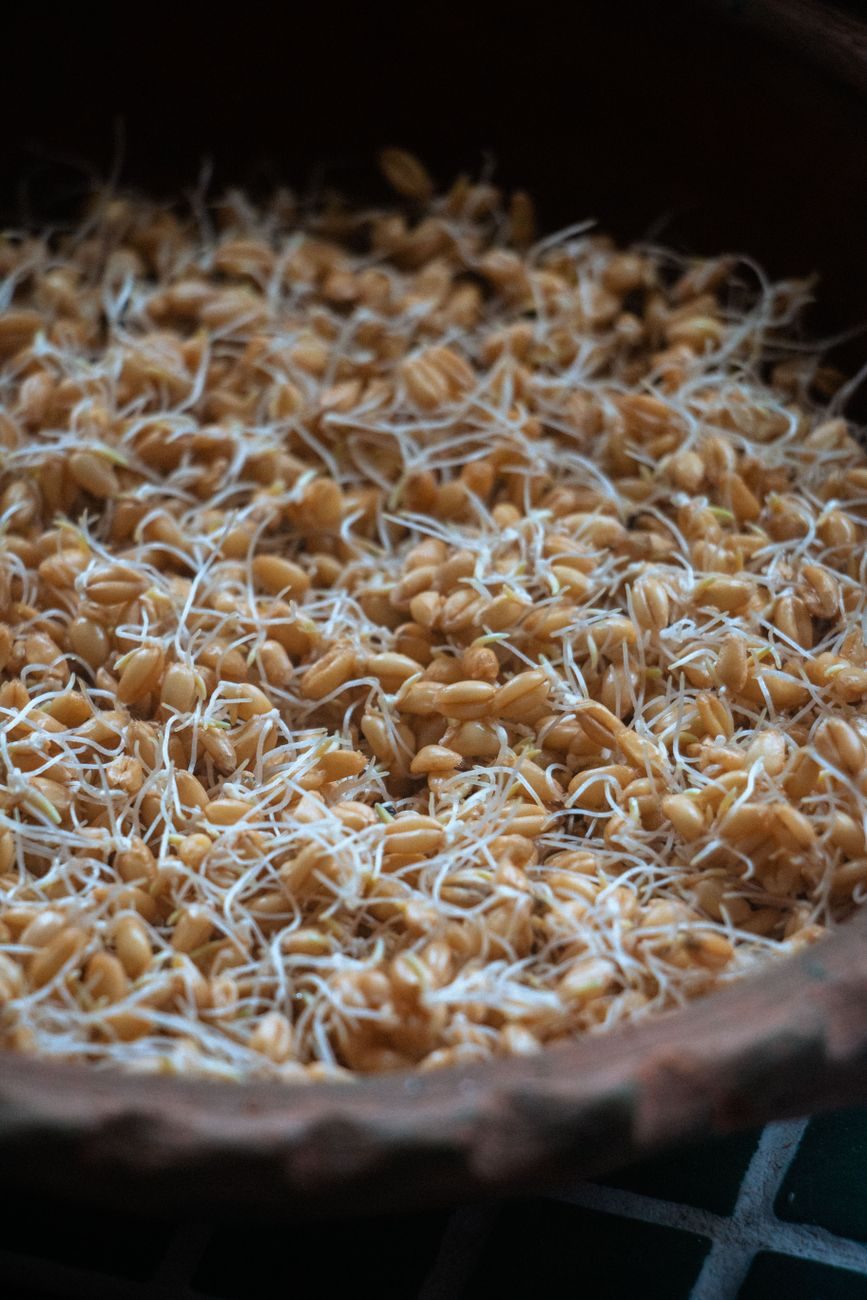
Sprouts are the biggest trap. The warm, wet conditions that make seeds sprout are exactly the conditions bacteria and mould need. A batch that is rinsed carelessly, sprouted too long, or left in a bowl all afternoon can carry a heavy load of microbes while still looking perfectly fine.
Signs of a food-related infection
Bacterial gut infection
- Loose, wet, often foul-smelling droppings, sometimes with mucus
- A pasted, dirty vent (the feathers around the bottom)
- Fluffed feathers, sleeping more, eating less
- Weight loss, with the keel bone in the chest feeling sharp
Yeast infection (candidiasis)
- Regurgitation or vomiting, and seed or food on the head and face
- A sour or yeasty smell from the mouth
- White, cheesy patches inside the mouth or on the tongue
- In baby birds: a crop that empties slowly ("sour crop"), stays full and squishy, or smells sour
- Whole, undigested seeds in the droppings
Mould exposure and fungal infection
- Breathing with effort, tail bobbing, clicking or wheezing sounds, or a changed voice. Aspergillosis mainly attacks the airways and air sacs.
- Weight loss and weakness over days to weeks
- Yellow or green urates and poor appetite if moulds (aflatoxins) have damaged the liver
Food is not the only cause
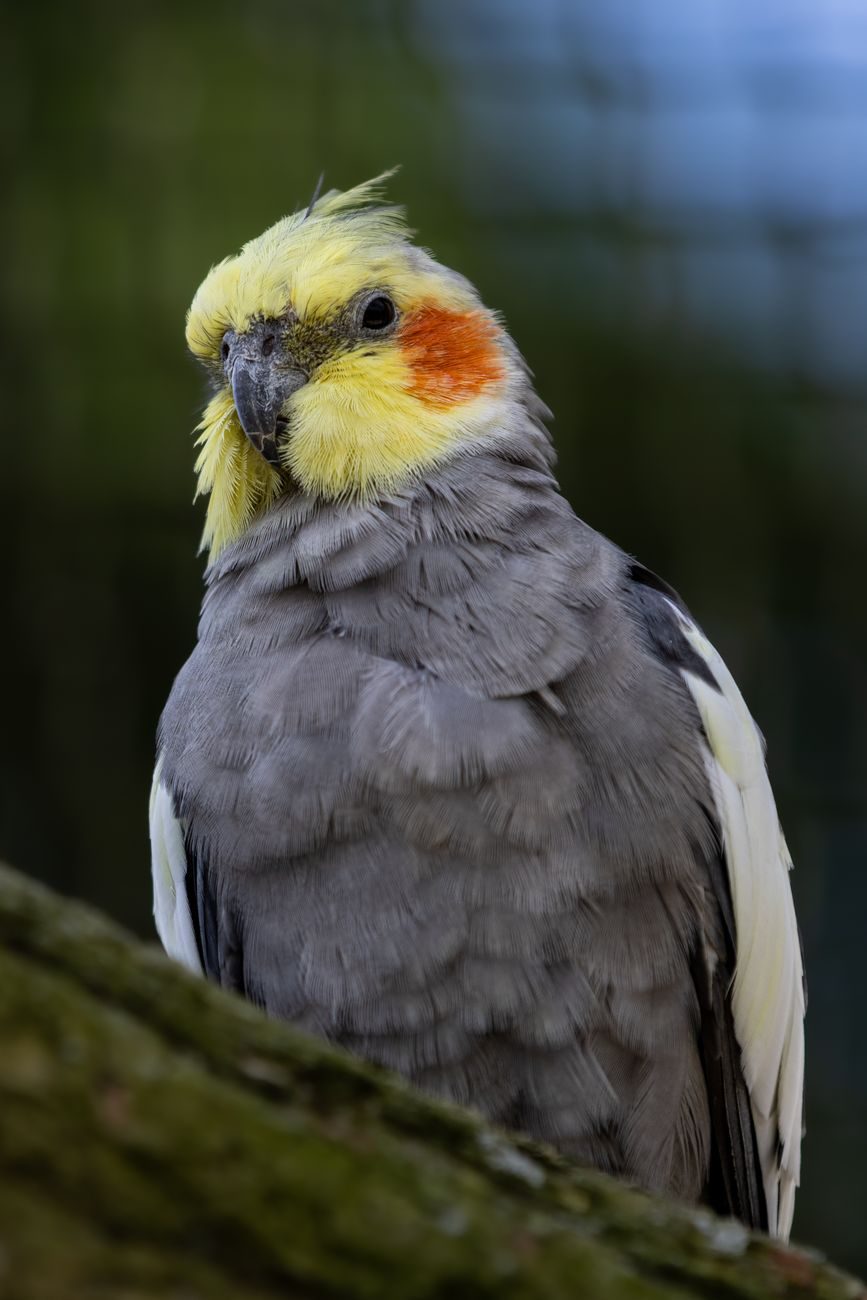
Diarrhoea in birds can also come from parasites such as Giardia (common in cockatiels) or worms (in birds kept on the ground), heavy-metal poisoning from zinc or lead in cages and toys, toxic foods like avocado, sudden diet changes, stress, and serious infections. One of those is psittacosis (chlamydiosis), which often shows as lime-green droppings and can infect people. That is why a vet's test matters more than guessing.
First aid: what to do before you reach the vet
Home care cannot cure an infection, but it keeps a small bird stable and gives the vet what they need. Do these as soon as you notice a problem:
- Separate the bird into a small hospital cage away from other birds. Many gut infections spread through shared food, water and droppings.
- Keep it warm. A sick bird spends a lot of energy staying warm. Aim for a warm, draught-free spot of around 29–32°C: partly cover the cage, keep it away from AC and fans, and use a low-wattage lamp on one side only, so the bird can move away if it gets too hot. In summer, watch for overheating: panting, or wings held away from the body.
- Remove all soft and wet food immediately, including sprouts, soaked seed, fruit, vegetables, dal and egg food. Offer the bird's usual dry seed or pellets, which it will eat and which cannot spoil quickly, and lower the perches and dishes so it can reach them easily.
- Give fresh, clean water in a scrubbed bowl, changed at least twice a day. Do not add vitamins, tonics or medicines to the water unless your vet prescribes them. Additives encourage bacterial growth and make birds drink less.
- Collect a fresh dropping sample. Line the floor with white paper or cling film, then scrape up a few droppings less than an hour old into a clean, sealed container. A photo of several droppings helps too.
- Weigh the bird on a kitchen scale that reads in grams, at the same time each day. A loss of 10% or more of body weight is serious, and for a 35-gram budgie that is just 3–4 grams.
- Bring the old food with you if you suspect it, especially mouldy seed or a sour-smelling batch of sprouts.
Do not do these
- Do not give antibiotic drops or powders "for loose motion" from a pet shop without a diagnosis. Antibiotics do nothing against yeast or mould, and they kill the good gut bacteria. This is one of the most common reasons birds develop Candida infections.
- Do not give human medicines, anti-diarrhoeal tablets or ORS mixtures without a vet's dose. A bird's body weight is tiny and dosing errors are easy.
- Do not force food or water into the beak. Birds easily inhale liquids into the airway.
- Do not wait more than a day hoping it settles. Small birds have very little reserve.
How an avian vet treats it
Treatment depends on the cause, which is why the vet will usually examine the bird and test the droppings first. A faecal Gram stain and a wet smear can show whether bacteria, yeast or parasites are overgrowing, often within minutes in the clinic. Sometimes blood tests, a culture or an X-ray are needed too.
- Bacterial infections are treated with an antibiotic chosen for the bird, ideally guided by the test, at a dose worked out from its weight in grams.
- Yeast infections (Candida) are treated with antifungal medicine such as nystatin, which works inside the gut, or other antifungals for deeper infections. It is usually given by mouth for one to several weeks, along with removing sugary soft foods.
- Mould and Aspergillus infections need longer antifungal courses, sometimes with nebulisation, and they are more serious. The earlier they are caught, the better the outlook.
- Supportive care: fluids by injection for dehydrated birds, tube feeding with an easily digested formula if the bird is not eating, warmth, and sometimes medicine to settle the crop.
- Parasites are treated with a specific dewormer or anti-protozoal drug after the faecal test.
Give the full course exactly as prescribed, even if the droppings look normal after two days. Stopping early is how yeast and bacteria come back stronger. Ask your vet when, and how, to reintroduce fresh foods. Usually it is a small amount of fresh vegetables first, with sprouts and fruit later.
Prevention: a safe routine for soft foods
You do not need to stop giving fresh and soaked foods. You need to handle them the way you would handle food for a baby. These rules prevent most food-related infections:
1. The two-hour rule
Offer fresh food, sprouts, soaked seed and cooked food in a separate bowl from dry seed, and remove it within 2 hours. In peak summer or humid monsoon weather, make that 1 hour. Give small portions the bird will finish in that time, not a full bowl to last the day. Morning is the best time, because birds eat most eagerly after waking.
2. Make sprouts safely, or don't make them
- Use clean, fresh, human-grade seeds or pulses, such as moong, wheat, or bird sprouting mixes. Never sprout old, dusty or musty-smelling seed.
- Soak for 8–12 hours in clean water, then rinse thoroughly until the water runs clear.
- Let them sprout in a clean strainer or jar for 24–48 hours, rinsing well two or three times a day. Use them as soon as the tiny tails appear. Longer sprouting means more microbes.
- Smell every batch. Fresh sprouts smell clean and earthy. Throw out anything sour, fermented or musty, slimy to touch, or showing white fluff or dark spots.
- Store finished sprouts in the fridge, in a covered container, for no more than 2–3 days. Rinse again before serving, then serve at room temperature.
3. Wash vegetables and fruit, and chop fresh
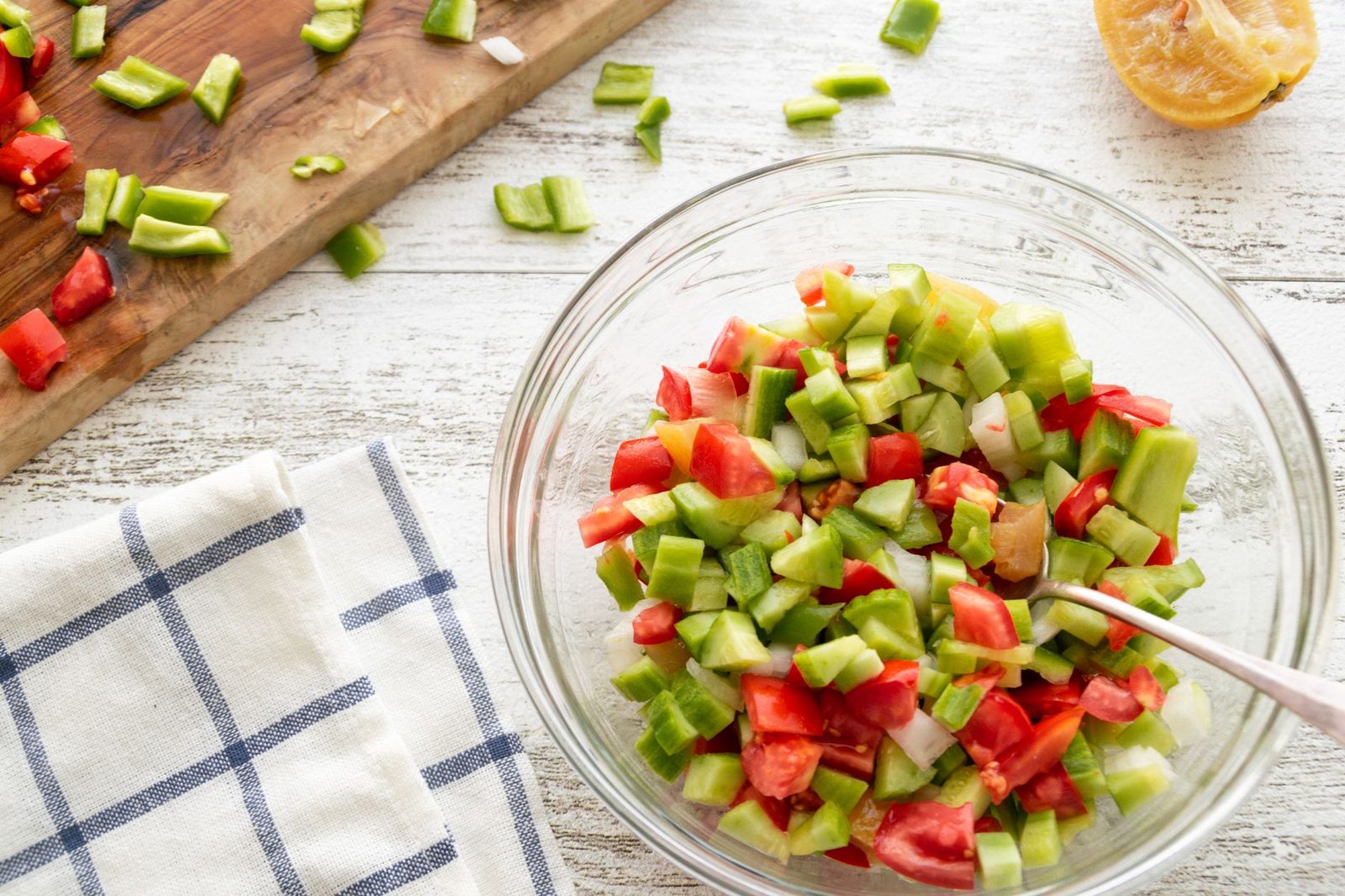
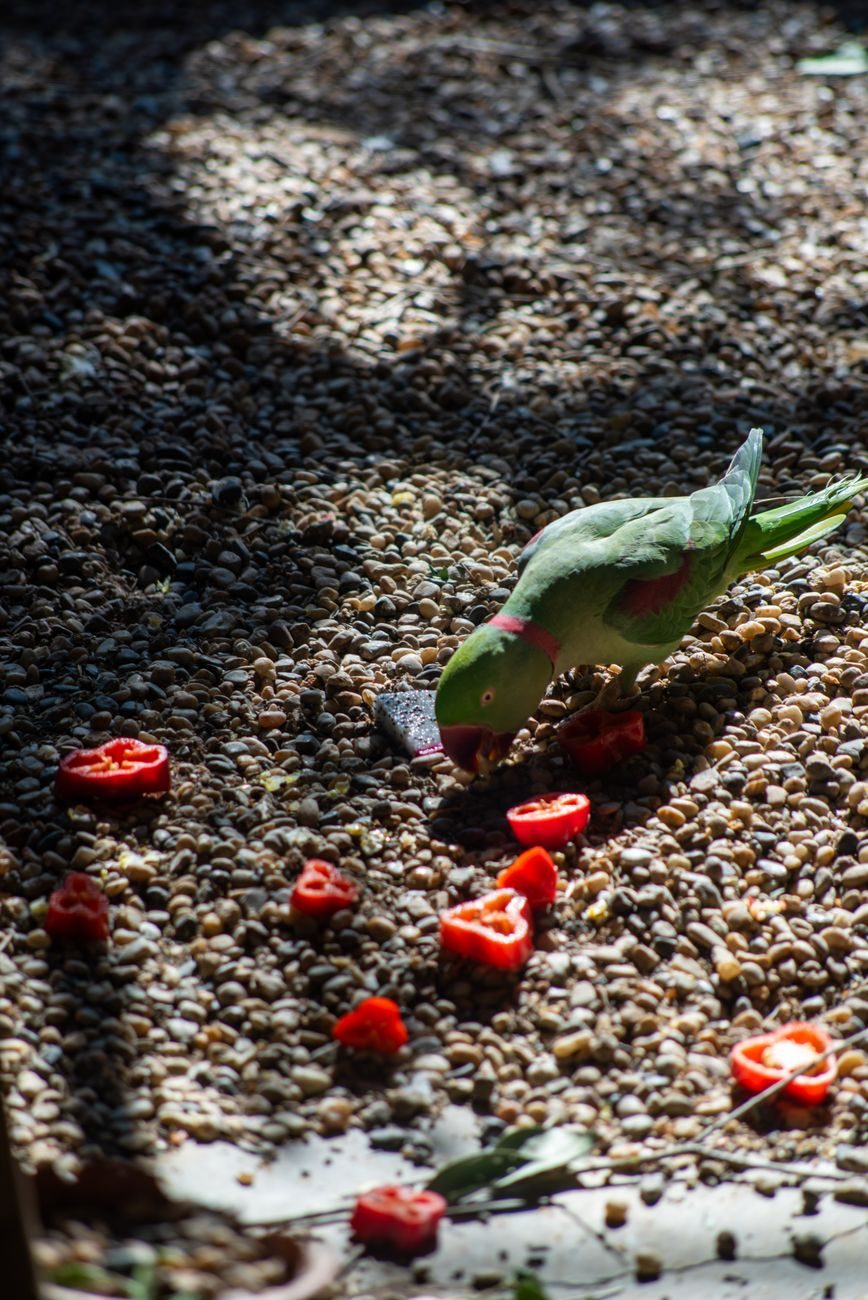
Wash produce well under running water. Chop it just before serving rather than keeping cut pieces for later. Never offer anything you would not eat yourself: no wilted greens, overripe fruit or leftovers that have sat out. Avoid avocado completely, as it is toxic to birds, and keep salty, sugary, fried and spicy human food away.
4. Store dry seed against monsoon mould
- Buy seed in quantities you will use within a month or so, from shops with good turnover.
- Keep it in airtight containers in a cool, dry place, never in open sacks or on a damp floor. In very humid months, the fridge works well for small amounts.
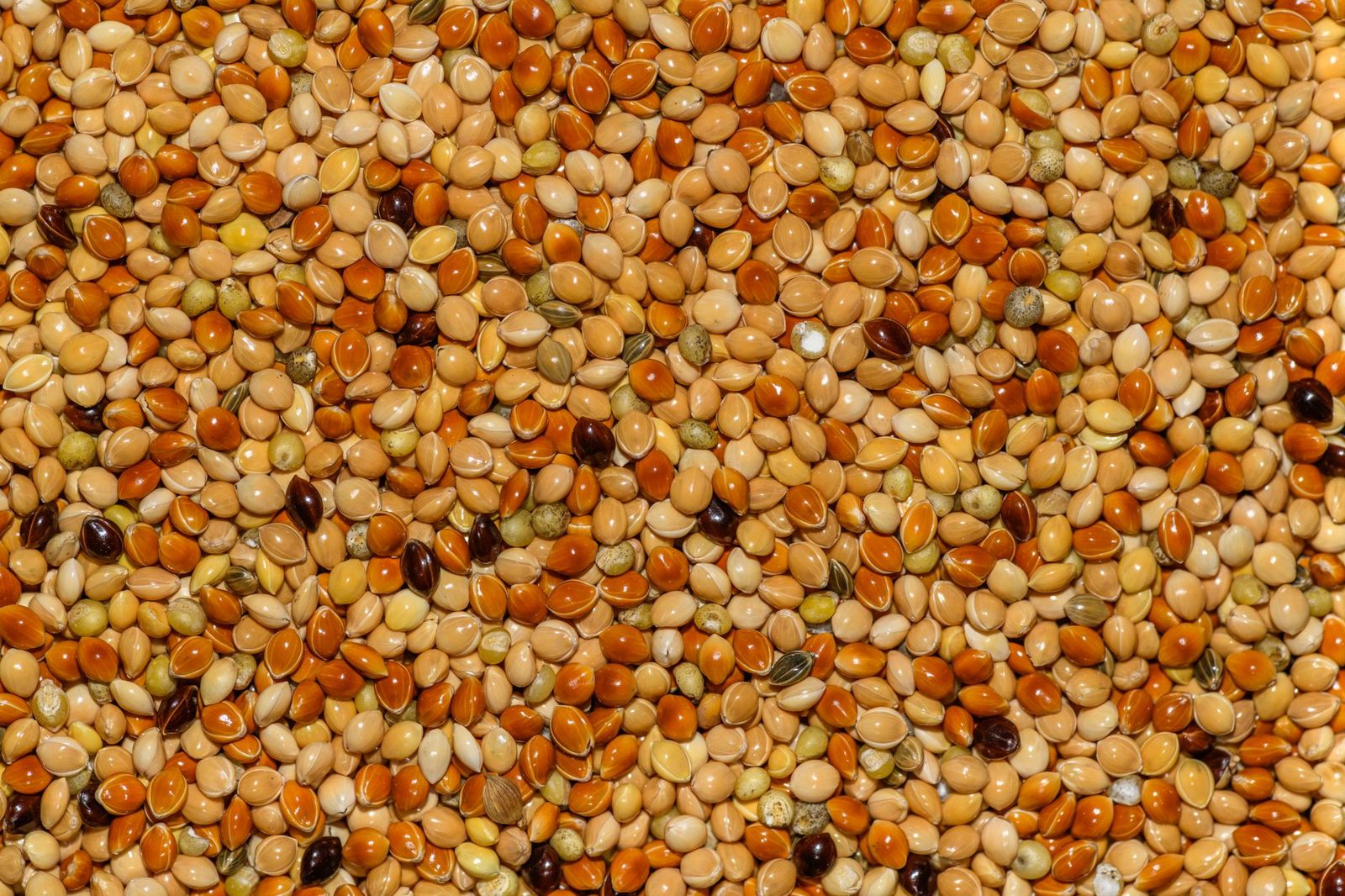
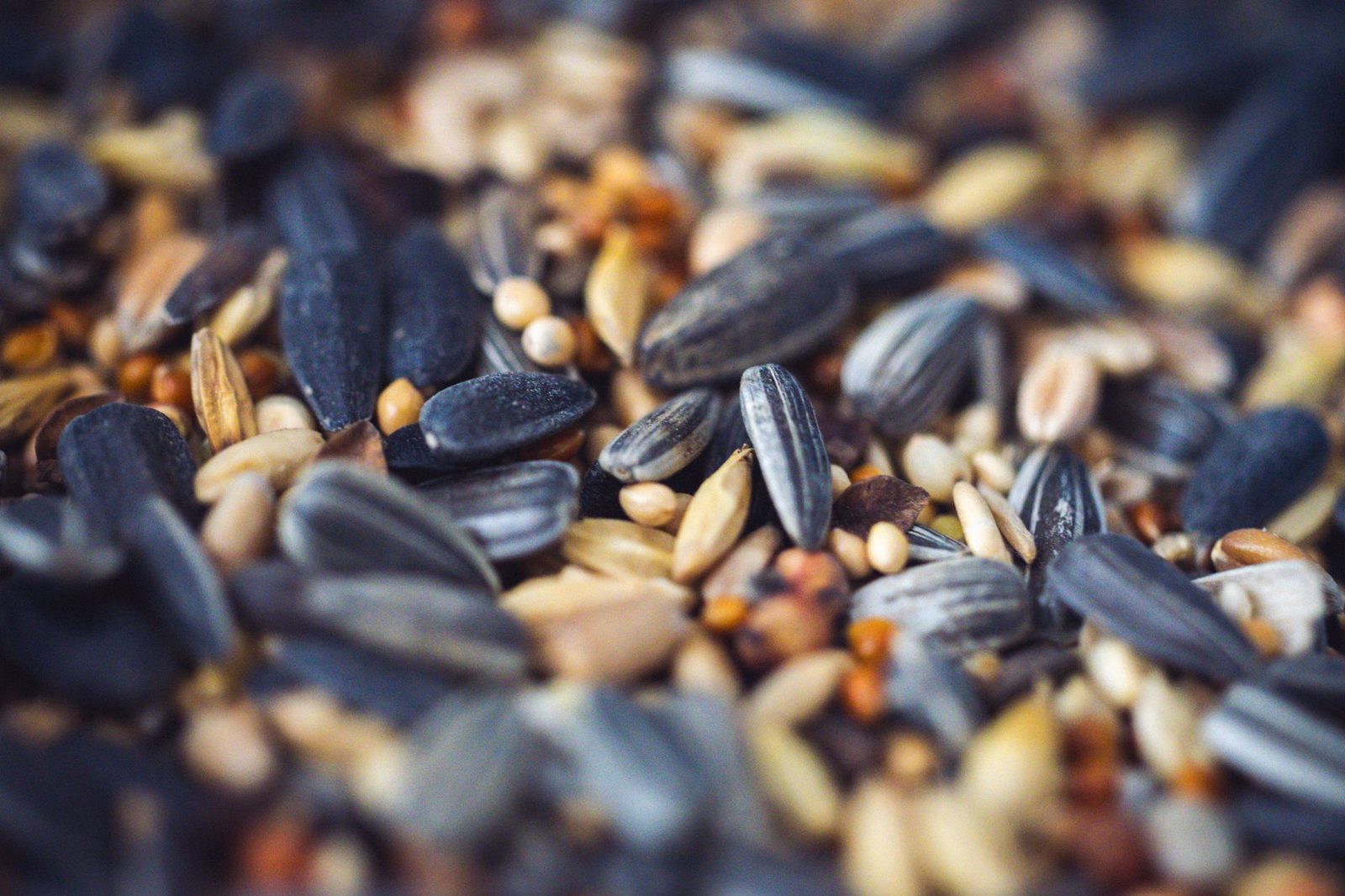
- Before filling the bowl, look and smell. Discard seed that is clumped, dusty, webbed (insects), musty, or shows any mould. Peanuts and maize especially should be human-grade.
- Blow off and replace seed husks daily. A bowl that looks full may be mostly empty husks.
5. Clean bowls and water every day
- Wash food and water bowls daily with hot water and detergent, scrub off the slimy film (biofilm) that forms inside, rinse well and dry. Keeping two sets of bowls lets one set dry fully while the other is in use.
- Change water at least once a day, and twice in summer, or immediately if food or droppings fall in.
- Clean tube drinkers with a bottle brush, as algae grows inside them.
- Position bowls where droppings cannot fall into them, not under perches.
- Change the cage-floor paper daily, and disinfect the tray weekly with a bird-safe disinfectant, rinsed off well.
6. For hand-fed baby birds
Mix formula fresh for every single feed, at the temperature on the pack (usually around 38–41°C, checked with a thermometer). Throw away leftovers rather than reheating them. Wash and sterilise syringes and spoons after every feed. Check that the crop empties between feeds. A crop still full the next morning needs a vet.
7. Quarantine new birds
Keep any new bird in a separate room for 30–45 days, with its own bowls, and wash your hands between birds. Have an avian vet check it, including a faecal test, before it joins your flock.
A daily routine that works in Indian homes
| Morning | Check droppings on clean paper. Wash bowls, give fresh water, top up dry seed or pellets. Serve a small portion of fresh food or sprouts in a separate bowl. |
| 1–2 hours later | Remove and throw away all leftover soft food. Wash that bowl. |
| Afternoon (summer) | Change water again. Keep the cage shaded and away from direct sun. |
| Weekly | Weigh your bird. Deep-clean the cage tray, perches and toys. Check seed stock for mould and insects. |
The bottom line
Fresh and soaked foods make a bird's diet better, but only if they are fresh when the bird eats them. Serve small portions, take them out within an hour or two, rinse sprouts thoroughly, store seed dry, and wash bowls every day. Those habits prevent most cases of diarrhoea and yeast infection we see in pet birds. If your bird does get sick, keep it warm, remove soft food, collect a dropping sample and get to an avian vet quickly, rather than reaching for a bottle of antibiotic drops.
At Nearby Pets India, we are happy to talk you through the diet a bird was raised on before it comes home. Changing food suddenly is a common trigger for an upset stomach, so it is worth knowing what a new bird is used to.
This guide is for general awareness and does not replace veterinary advice. Medicine doses for birds must be calculated by a veterinarian from the bird's weight. If your bird is unwell, contact an avian or exotic-animal vet.
Frequently asked questions
How do I know if my bird has diarrhoea or just watery droppings?
Look at the centre of the dropping. If the faecal part is still formed and green or brown and only the clear liquid around it has increased, it is usually extra urine from watery food or heat, which is harmless. If the faecal part itself is loose, shapeless, foul-smelling or contains undigested seed, it is diarrhoea.
How long can soaked seeds, sprouts or vegetables stay in the cage?
No more than 2 hours, and about 1 hour in hot or humid weather. Serve small portions in a separate bowl in the morning and throw away whatever is left. Wet food at Indian room temperature grows bacteria, yeast and mould quickly, even when it still looks fine.
Can spoiled sprouts cause fungal infections in birds?
Yes. Sprouts left too long, or not rinsed often enough, can carry heavy loads of bacteria, Candida yeast and moulds such as Aspergillus. Candida causes crop and gut infections, and Aspergillus can infect the airways. Use sprouts within 24 to 48 hours of sprouting, rinse them two or three times a day, refrigerate them, and discard any batch that smells sour or musty or feels slimy.
What are the signs of a yeast (Candida) infection in a pet bird?
Regurgitation or vomiting, a sour smell from the mouth, white cheesy patches in the mouth, a crop that empties slowly in baby birds, whole undigested seeds in the droppings, fluffed feathers and weight loss. An avian vet confirms it with a dropping or crop sample.
Can I give my bird antibiotics from the pet shop for loose motion?
No. Antibiotics do not work against yeast or mould, the dose may be wrong, and they kill the bird's good gut bacteria, which is a common reason birds go on to develop Candida infections. Get a dropping test from an avian vet so the right medicine is used.
What first aid can I give a bird with diarrhoea at home?
Isolate the bird, keep it warm (around 29 to 32 degrees Celsius, away from fans and AC), remove all soft and wet foods, offer its usual dry seed or pellets and fresh water changed twice a day, collect a fresh dropping sample, and weigh it daily in grams. Do not add medicines or vitamins to the water without a vet's advice, and get to a vet within a day.
When is bird diarrhoea an emergency?
When the bird is fluffed up and sleepy, sitting on the cage floor, not eating, bobbing its tail while breathing, vomiting, has lost 10% or more of its weight, or has blood, black or bright lime-green colour in its droppings. Small birds can deteriorate within a day or two.
How should I store bird seed during the monsoon?
Buy only what you will use in about a month, keep it in airtight containers in a cool dry place or the fridge, and check it by sight and smell before each use. Throw out seed that is clumped, dusty, musty, webbed by insects or visibly mouldy. Mouldy seed can contain aflatoxins that damage a bird's liver.
Is bird diarrhoea contagious to humans?
Most food-related gut infections in birds are not a major risk to healthy people, but some bird infections are, notably psittacosis, which can cause lime-green droppings. Wash your hands after cleaning cages, avoid breathing dust from dried droppings, and tell your doctor you keep birds if you develop flu-like symptoms.
Looking for a healthy pet bird?
Browse budgies, cockatiels, lovebirds, conures and more from verified breeders, with guidance on the diet each bird is used to.
See available birds