Rabies kills almost everyone who develops symptoms, and it is almost entirely preventable. Both are true at once. India carries an estimated 36% of the world's rabies deaths. That is roughly 18,000 to 20,000 people a year by WHO estimates, and between a third and a half of them are children. About 96% of those cases start with a dog bite.
No pet parent should be living in fear of their dog or cat because of this. What you need is the knowledge to recognise rabies, what to do in the first fifteen minutes after a bite, and how a cheap yearly vaccine keeps your pet and your family out of the statistics. This guide covers dogs, cats, small pets such as rabbits and guinea pigs, and pet birds. Those last two groups are where most of the confusion lies.
Bitten or scratched right now? Do this first.
- Wash the wound under running water with soap for a full 15 minutes.
- Apply an antiseptic such as povidone-iodine (Betadine) or spirit. Do not put chilli, turmeric, oil, lime or anything else on it.
- Go to a doctor or government hospital today. Do not wait to see whether the animal falls sick. Anti-rabies vaccine is free at government hospitals in India.

Rabies at a glance
| What it is | A viral infection of the brain and nerves (a lyssavirus) that affects mammals, including humans |
| How it spreads | Through the saliva of an infected animal, by a bite, a scratch, or a lick on broken skin, the eyes, nose or mouth |
| Main source in India | Dogs (about 96% of human cases), then cats, monkeys, mongooses, jackals and livestock |
| Incubation in dogs and cats | Usually two weeks to three months, occasionally longer |
| After symptoms appear | There is no cure. Infected dogs and cats usually die within about 10 days. |
| Can birds get it? | No. Rabies is a disease of mammals only. |
| Prevention | Yearly vaccination of dogs and cats; immediate wound washing and post-exposure vaccine for people |
What rabies is, and why it is so dangerous
The rabies virus enters through a wound and does not go into the bloodstream. It travels slowly along the nerves towards the spinal cord and brain. During that journey the infected person or animal looks completely normal. This silent stretch is the incubation period, and it is the whole reason post-bite vaccination works: the vaccine gives the body time to build antibodies that stop the virus before it reaches the brain.
Once the virus reaches the brain it causes inflammation (encephalitis) and spreads outwards to the salivary glands, which is why a rabid animal's saliva is infectious. From that point on, medicine has nothing that reliably works. Bites on the face, head, neck and hands are the most dangerous because those areas have dense nerve supply and a short path to the brain. That is also why children, who are bitten on the face far more often than adults, are hit so hard.
There is a practical point hidden in this. An animal can carry the virus in its saliva for a few days before it looks obviously sick. A dog that seems "a little off" can already be infectious. Nobody can tell from looking whether an animal has rabies, so every bite or scratch from an unknown or unvaccinated animal gets treated as an exposure until a doctor says otherwise.
Which animals can get rabies, and which cannot
Every mammal can catch rabies. Only some species pass it on in any meaningful way. For an Indian household the picture looks like this:
| Animal | Rabies risk | What a bite means |
|---|---|---|
| Dogs (pet and street) | High: the main source in India | Wash and see a doctor the same day |
| Cats | High: second most common pet source | Same as a dog. Deep scratches count too |
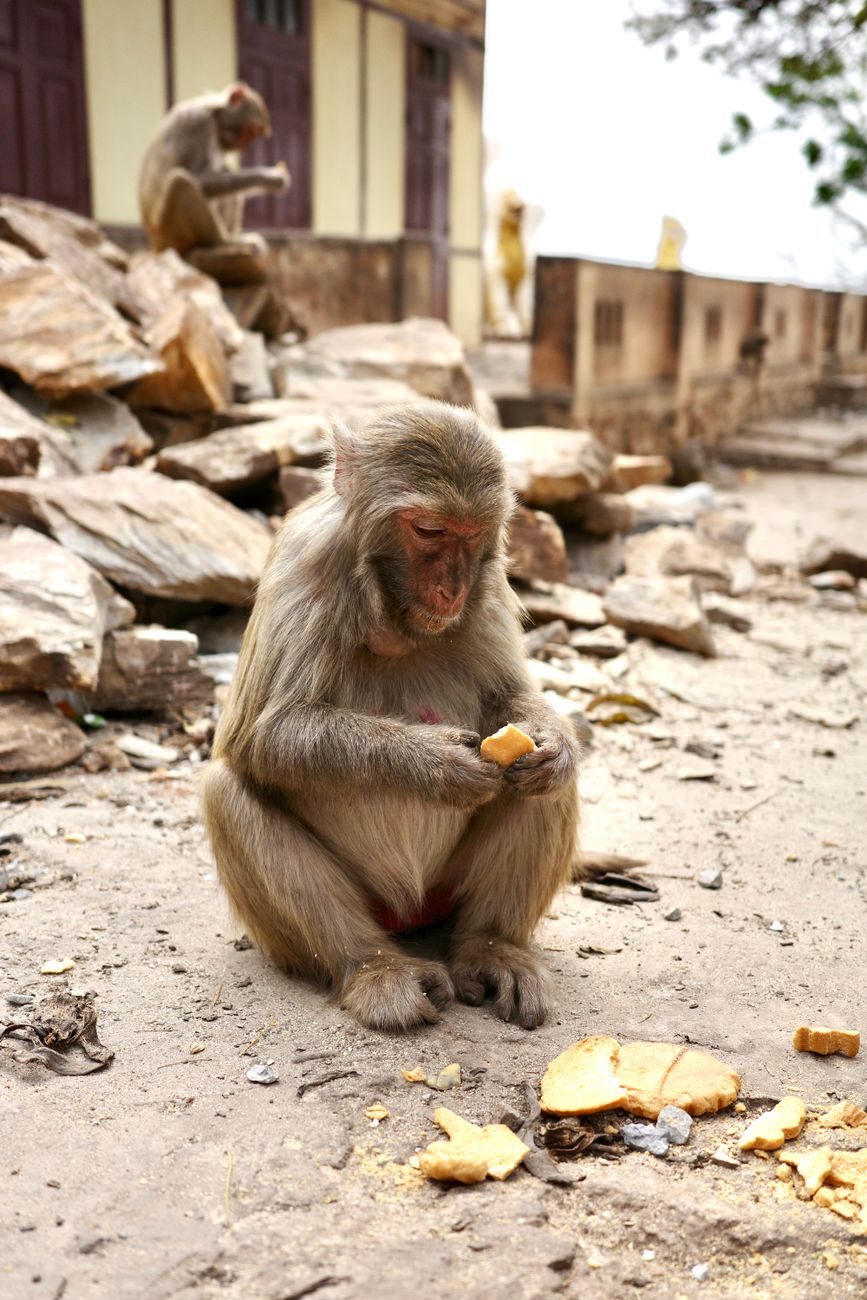
| Monkeys, mongooses, jackals, foxes | High | Treated as serious exposures |
| Bats | Possible | Any direct contact needs a doctor |
| Cows, buffaloes, goats, horses | Can be infected by dog bites | Bite or saliva contact from a sick animal needs a doctor |
| Rabbits, guinea pigs, hamsters, rats, mice, squirrels | Very low | Usually no rabies vaccine needed, but let a doctor decide |
| Birds, fish, reptiles, turtles | None: not mammals | Clean the wound; watch for ordinary infection |
How to identify rabies in dogs
Rabies in dogs usually runs through three overlapping phases. Not every dog shows all of them, and some go straight to paralysis without ever turning aggressive. The best single warning sign is a sudden, unexplained change in behaviour that keeps getting worse over hours or days.
1. Early (prodromal) phase: the first 2–3 days
- A friendly dog becomes withdrawn, nervous or irritable. A shy dog may become unusually clingy.
- Mild fever, restlessness, hiding, and loss of appetite.
- Repeated licking, biting or scratching at the old bite site. The wound may itch or tingle as the virus moves along the nerve.
- Pupils that stay dilated, and a dog that flinches at light or sound.
2. "Furious" phase
- Unprovoked aggression: biting people, other animals, the cage, the leash, sticks or stones.
- Snapping at the air, as if catching invisible flies.
- Eating things that are not food, such as soil, wood, stones or cloth.
- Wandering aimlessly for long distances and running at anything that moves.
- A changed, hoarse bark or a strange howl, caused by paralysis of the throat muscles.
- Extreme over-excitement and no longer recognising its owner.
3. Paralytic ("dumb") phase
- The lower jaw hangs open and the dog cannot close its mouth.
- Heavy drooling or frothy saliva, because the dog can no longer swallow.
- The dog seems to want water or food but cannot get it down.
- Wobbly hind legs that progress to paralysis, then collapse, breathing failure and death, usually within 7–10 days of the first signs.
The most common way owners expose themselves
A drooling dog with a hanging jaw looks exactly like a dog with a bone stuck in its throat. Owners put their bare hand into the mouth to "help", and that is a direct saliva exposure. If your dog suddenly cannot close its mouth or swallow, do not reach in. Put on thick gloves or keep your hands out entirely, and take the dog to a vet. Tell them about the possibility of rabies when you call.
About the word "hydrophobia": fear of water is a symptom of rabies in people, where swallowing triggers painful throat spasms. Dogs do not really fear water. They simply cannot swallow it. If you wait for a dog to "be scared of water" before suspecting rabies, you will miss most cases.
How to identify rabies in cats
Cats get rabies from fights with infected dogs, other cats, mongooses or bats. More of them develop the furious form than dogs do, and an infected cat can be very dangerous because it attacks fast and bites and scratches deeply. Watch for:
- A sudden personality change. An affectionate cat hides and hisses, or a timid one becomes bold and approaches strangers.
- Unprovoked, ferocious attacks on people, pets, or the air, often with little warning.
- Unusual, persistent yowling or a changed voice.
- Restlessness, staring, muscle twitching and dilated pupils.
- Drooling, difficulty swallowing, and refusing food and water.
- Wobbly walking, then weakness and paralysis.
An indoor-only cat is far safer than one that roams, but "indoor" is rarely airtight in Indian homes. Cats slip out through balconies, windows and open doors, and bats sometimes fly into flats. The yearly rabies vaccine is worth giving even to a cat that never leaves the house.
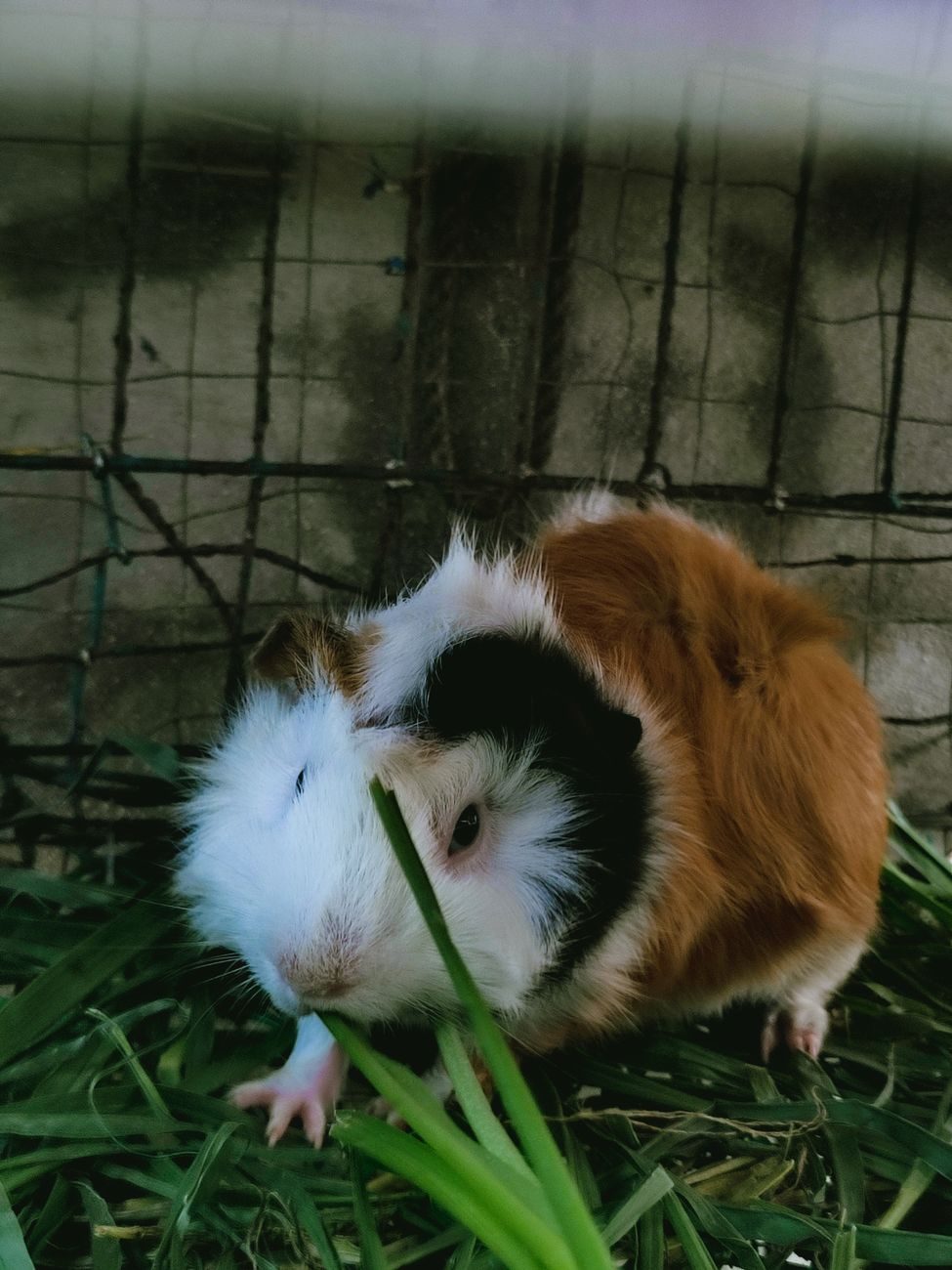
Rabbits, guinea pigs, hamsters and other small pets
Small pets are mammals, so they can catch rabies, but it is rare. Most small animals attacked by a rabid dog or cat die from the attack itself, before the virus can develop. A rabbit, guinea pig or hamster that lives indoors and never meets dogs, cats, monkeys or wildlife has close to zero risk.
For that reason India's national rabies guidelines do not routinely call for rabies vaccine after bites from rats, mice, squirrels, rabbits and similar small mammals. A doctor should still look at the bite. Rodent and rabbit bites can carry ordinary bacterial infections, and there are exceptions. If your rabbit lives outdoors and has recently been mauled by a stray dog or a mongoose and then bites you, tell the doctor exactly that.
Signs that would worry a vet in a small pet that has had contact with a wild or unvaccinated animal:
- Sudden aggression or biting in a previously gentle animal
- Head tilt, circling, tremors or seizures
- Drooling, paralysis, or being unable to eat
These are far more often caused by ear infections, parasites (such as E. cuniculi in rabbits), heatstroke or injury than by rabies. Your vet can sort out which.
How to protect them: keep hutches and cages indoors or fully mesh-enclosed, especially at night. Never leave small pets in a garden where stray dogs, cats or mongooses can reach them, and keep their enclosures separate from where your dog or cat can get at them.

Pet birds: can parrots and budgies get rabies?
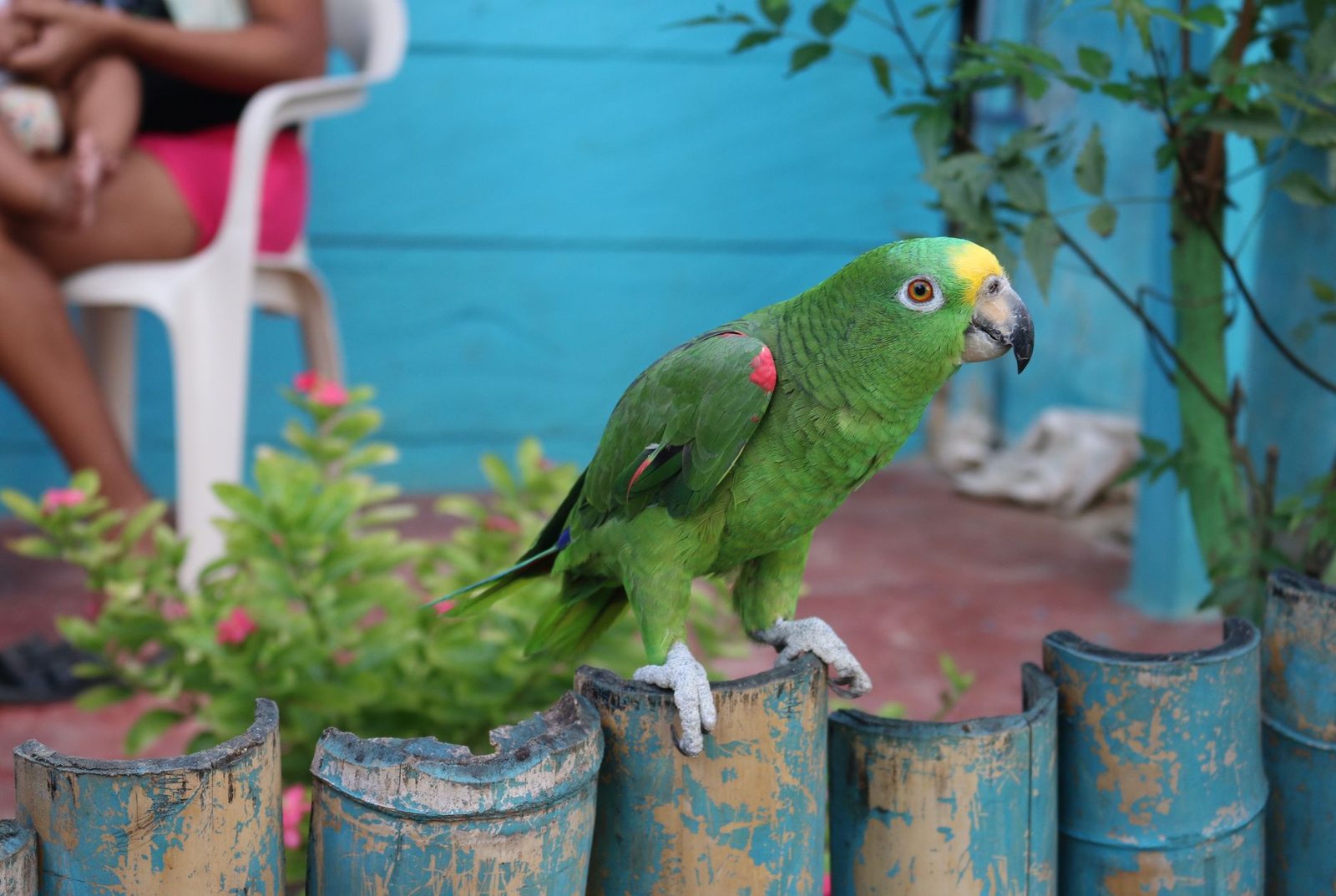
No. Rabies affects mammals only. Parrots, budgies, cockatiels, lovebirds, conures, finches and pigeons do not catch rabies naturally and do not spread it. A bite from your pet bird is not a rabies exposure. You do not need anti-rabies injections for it.
That does not make bird bites harmless. A parrot's beak can cause deep, crushing wounds that easily become infected. Wash the bite with soap and water, apply antiseptic, and see a doctor if it is deep, on the hand, or if you are not up to date on tetanus. Tell the doctor it was a bird. Separately from bites, birds can carry psittacosis (parrot fever), a bacterial infection that spreads through droppings and feather dust. That is one more reason to buy birds from healthy, well-kept sources and to see an avian vet once a year.
The real rabies question for bird keepers is the other animals around the cage. Cats, rats, mongooses and monkeys raiding aviaries are a danger to the birds, and those are the mammals to keep away from your family.
Conditions that look like rabies but are not
Several common problems produce drooling, odd behaviour or paralysis. Do not assume rabies and panic, and do not rule it out either. Let a vet examine the animal, using gloves.
- Canine distemper: twitching, seizures, discharge from eyes and nose. Very common in unvaccinated dogs in India.
- Something stuck in the mouth or throat: a bone or stick wedged across the palate causes pawing at the mouth and drooling.
- Poisoning: organophosphate pesticides and rat poison can cause drooling, tremors and collapse.
- Heatstroke: heavy panting and drooling, confusion and collapse, especially in summer.
- Head injury, tick fever or tetanus can all cause neurological signs.
First aid: if a person is bitten or scratched
This is the most important section of this guide. Rabies after a bite is preventable if you act quickly, and simple wound washing alone is estimated to cut the risk dramatically.
- Wash immediately, for 15 minutes. Hold the wound under running tap water and wash it with plenty of soap (any soap or detergent) for a full fifteen minutes. Set a timer, because it is much longer than it feels. This physically flushes out the virus.
- Disinfect. Apply povidone-iodine (Betadine), spirit or another antiseptic after washing.
- Leave the wound open. Do not bandage it tightly or stitch it yourself. Doctors usually delay stitching bite wounds.
- Go to a doctor the same day. Any government hospital, community health centre or anti-rabies clinic can give the vaccine, free of charge in government facilities. Do not wait until tomorrow, and do not wait to see whether the animal gets sick.
- Finish the full course. The doctor will start a series of injections on day 0, with more on later days (commonly days 3, 7, and 14 or 28, depending on the schedule they use). For severe bites they will also give rabies immunoglobulin or monoclonal antibodies into and around the wound. Missing a dose can leave you unprotected.
- Note what you can about the animal. Whose dog it is, whether it is vaccinated (ask for the certificate), and where it lives. If it is a known pet dog or cat, the doctor may ask that it be watched for 10 days. You still start the vaccine now. If the animal stays healthy for the full 10 days, the doctor may decide to stop the course.
Never do these things to a bite wound
Do not apply chilli powder, turmeric, mustard oil, lime, kerosene, coffee powder, herbs or "home remedies". Do not tie a tight cloth around it. Do not rely on a faith healer or a "jhaad-phoonk". None of these stop rabies, and several delay the treatment that does.
How doctors grade an exposure
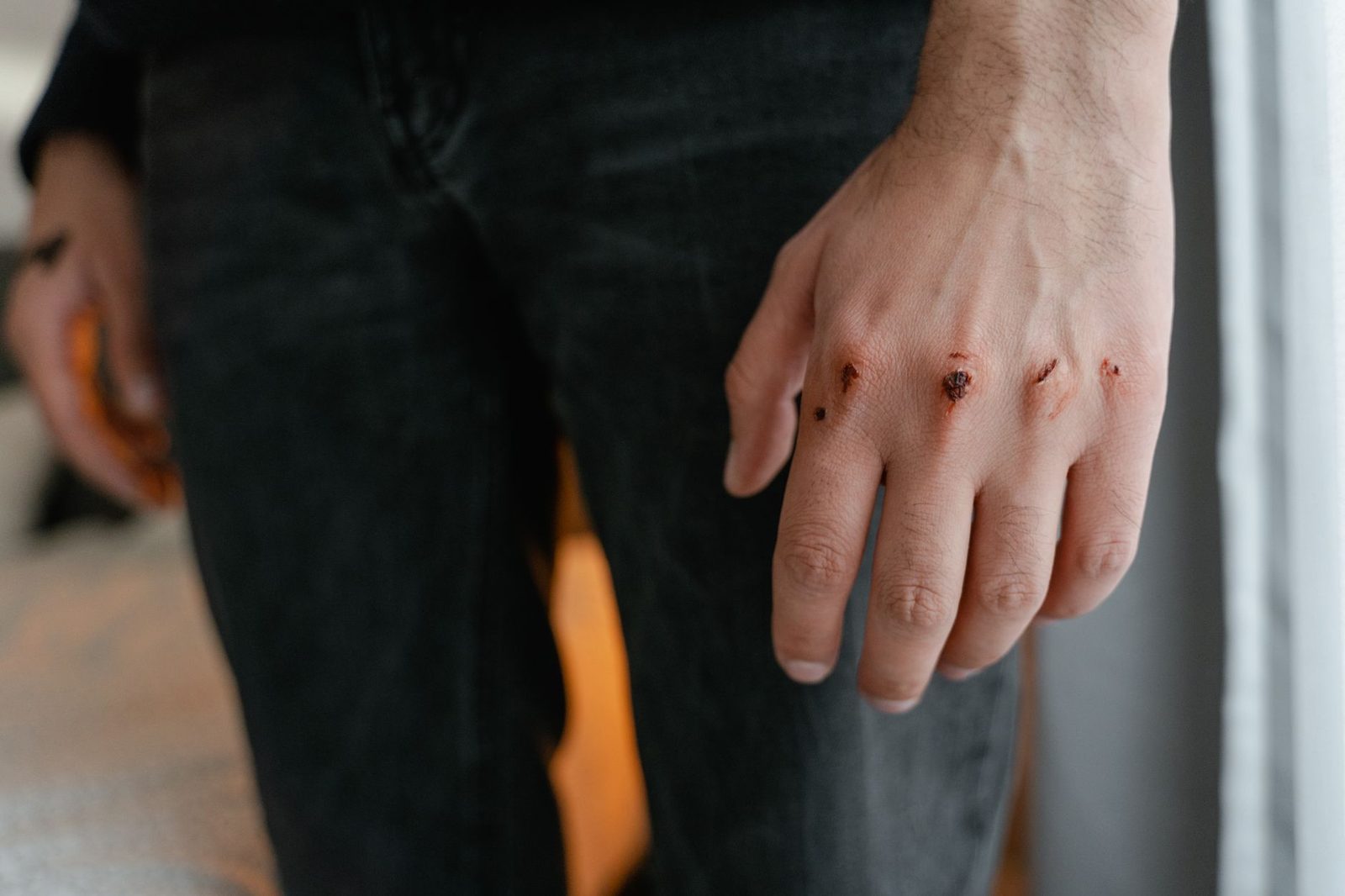
India follows the WHO categories. You do not need to decide this yourself, but knowing them stops you from brushing off "just a scratch":
| Category | What happened | Usual treatment |
|---|---|---|
| I | Touching or feeding an animal; licks on unbroken skin | Wash. No vaccine needed |
| II | Nibbling of bare skin; minor scratches or abrasions without bleeding | Wound washing + anti-rabies vaccine |
| III | Bites or scratches that break the skin and bleed; licks on broken skin; saliva in eyes or mouth; any bat contact | Wound washing + vaccine + rabies immunoglobulin / antibodies |
Anti-rabies vaccine is safe during pregnancy and for babies, and there is no age at which it cannot be given. If you have had a full course before, you will usually need only two booster doses and no immunoglobulin, so keep your vaccination card.
First aid: if your pet is bitten by a stray or wild animal
- Protect yourself first. Put on rubber or thick gloves before touching the wound. The attacker's saliva may be on your pet's fur.
- Wash the wound with soap and running water for several minutes, and control bleeding with clean gauze and gentle pressure.
- Separate your pet from children and other animals until a vet has seen it.
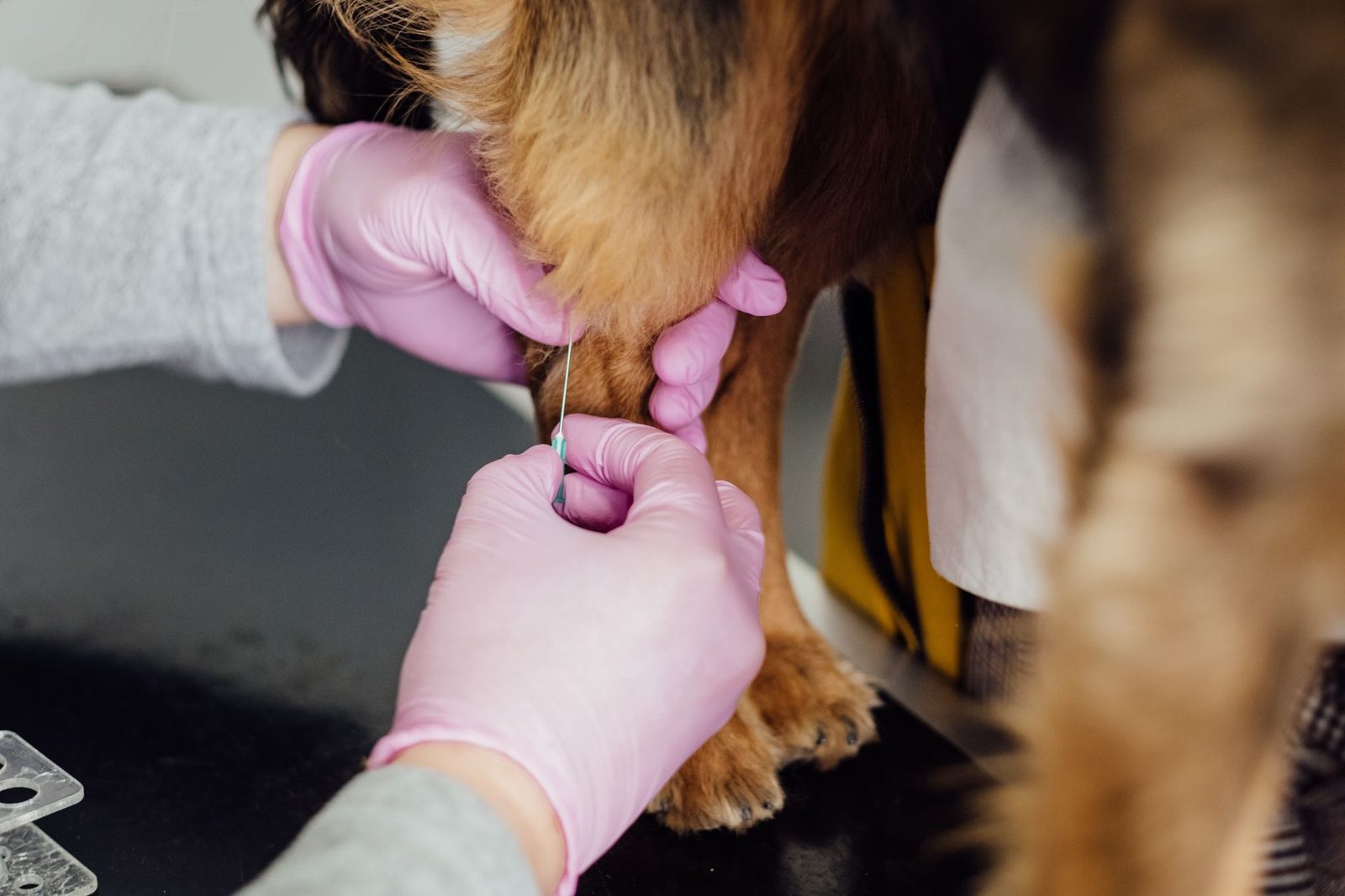
- Call your vet the same day and bring the vaccination record. A vaccinated pet is usually given booster doses straight away. An unvaccinated pet needs a full post-exposure course and a longer observation period, as the vet directs.
- Watch closely for the next several weeks for any of the behaviour changes described above, and report anything unusual immediately.
If you see an animal you think is rabid
- Keep your distance and get children and pets indoors. Do not try to catch, feed or corner it.
- Call your municipal corporation's animal control or dog-bite helpline, or a local animal welfare organisation, and give the exact location.
- Do not beat or kill it. Under India's Animal Birth Control Rules, suspected rabid dogs are to be isolated and observed by the authorities, and if the animal dies its brain can be tested to confirm rabies, which tells the people it bit how urgent their treatment is.
- Find out who it has bitten and make sure every one of them goes for vaccination.
Prevention: the vaccine schedule that protects your pet
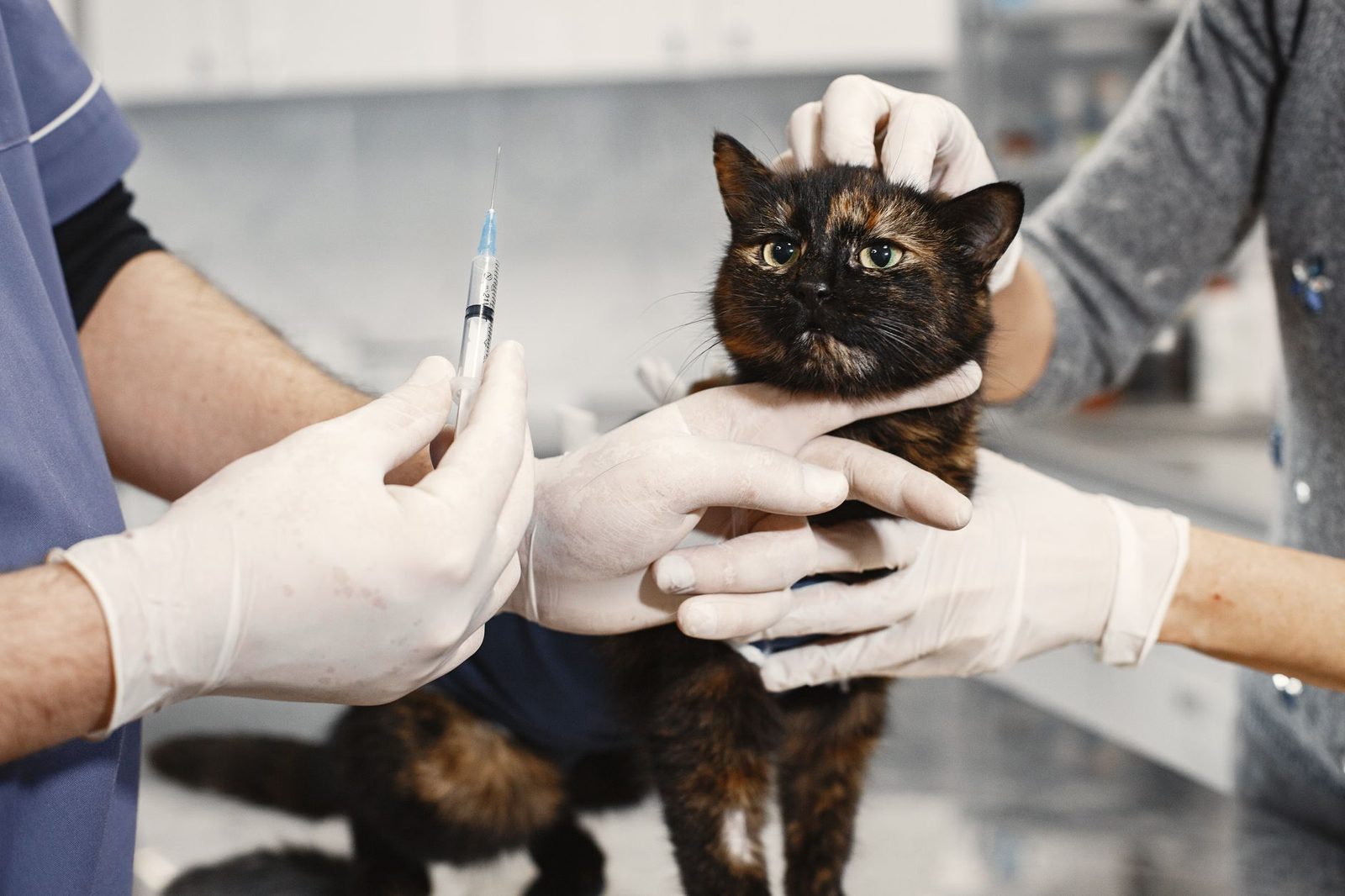
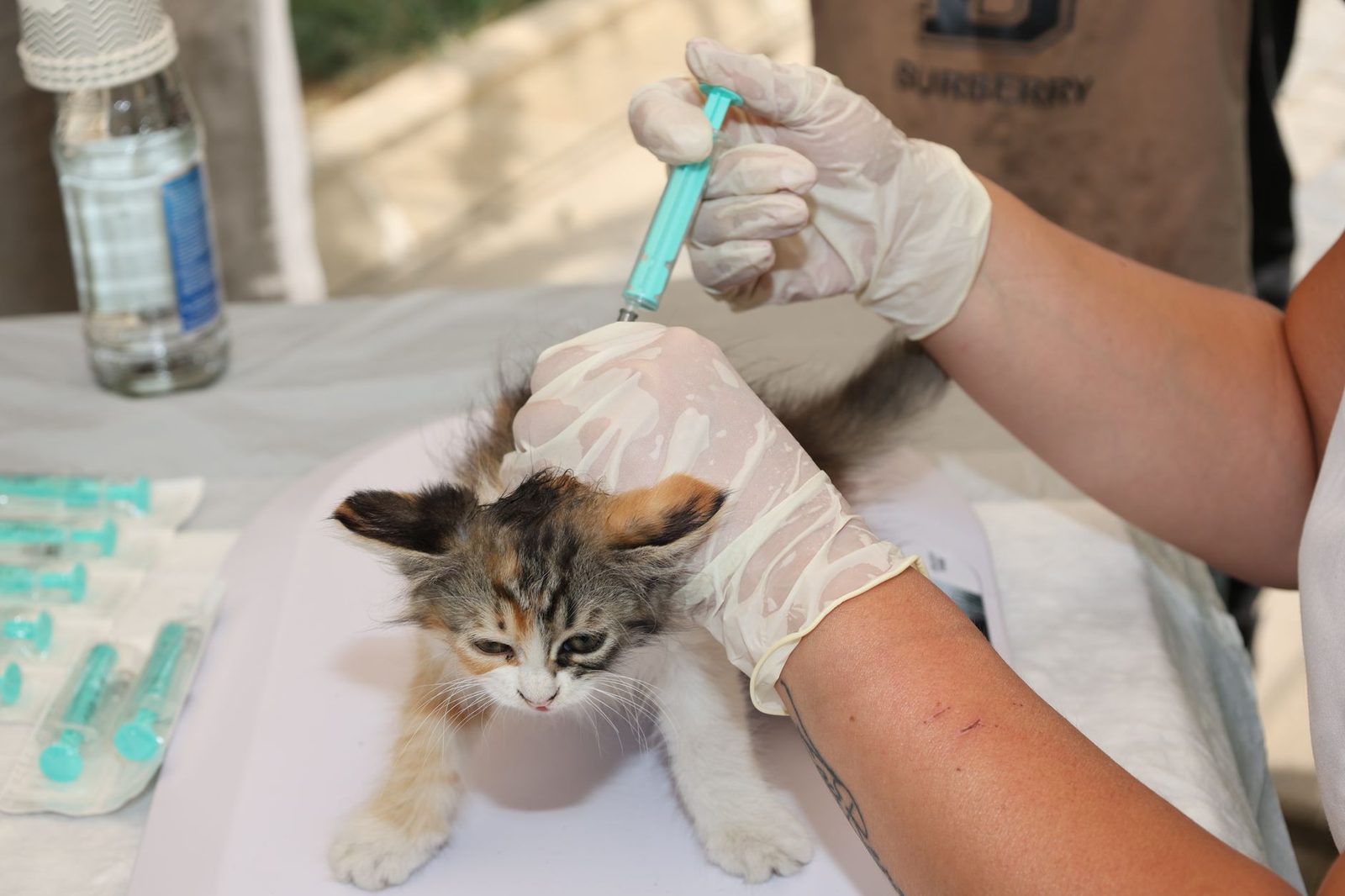
Rabies vaccination for dogs and cats is cheap, widely available at every vet clinic in India, and required for pet registration by many municipal corporations. It is the single most effective thing a pet owner can do, for the pet and for the household.
| Age | Dogs and cats |
|---|---|
| About 12 weeks (3 months) | First rabies vaccine |
| 2–4 weeks later | Booster dose: many Indian vets recommend this because rabies is endemic here |
| Every year after | Annual booster. Keep the vaccination card with the vaccine sticker and date |
Beyond the vaccine:
- Supervise outdoor time, especially at night, and do not let pets fight with or chase street dogs, cats, monkeys or mongooses.
- Teach children never to touch unfamiliar animals, never to disturb a dog that is eating, sleeping or nursing puppies, and to tell an adult about any bite or scratch, even a small one. Children often hide bites for fear of being scolded.
- Consider pre-exposure vaccination for yourself if you work with animals, such as vets, groomers, shelter volunteers, breeders, or people who regularly feed and handle community dogs. It is three doses, given in advance, and it makes treatment after any later bite much simpler.
- Support community vaccination. If you feed street dogs, ask your local municipal or NGO programme to sterilise and vaccinate them. Vaccinated community dogs are a buffer that protects everybody in the lane.
Rabies myths that still put lives at risk
- "It was a small scratch, so it is fine." Scratches that break the skin are exposures. Size does not matter. Saliva does.
- "It was a pet dog, not a street dog." An unvaccinated pet dog is just as dangerous. Ask for the vaccination certificate, and see a doctor anyway.
- "I'll wait 10 days and see if the dog dies." The 10-day watch is a reason a doctor might stop treatment early, never a reason to delay starting it.
- "You need 14 injections in the stomach." That old regimen ended decades ago. Modern vaccines go in the arm, in a short course.
- "A puppy can't have rabies." Puppies and kittens can be infected and infectious. Age offers no protection.
- "My parrot bit me, so I need rabies shots." Birds cannot get rabies. You need wound care, not anti-rabies vaccine.
The bottom line
Rabies is one of the few diseases where the whole fight comes down to habits: vaccinate your dog and cat every year, wash every bite for fifteen minutes, and get to a doctor the same day. Do those three things and the odds of rabies touching your family drop to almost nothing.
At Nearby Pets India we vet-check every puppy and kitten before dispatch and send them with an up-to-date vaccination record, so you know exactly when the first rabies dose and the boosters are due. If you are unsure about your pet's schedule, ask our team, or better still, ask your vet at the next visit.
This guide is for general awareness and does not replace advice from a doctor or veterinarian. For any bite, scratch or suspected exposure, see a doctor the same day. For your pet, consult a registered veterinarian.
Frequently asked questions
What are the first signs of rabies in a dog?
Usually a sudden change in behaviour that keeps getting worse. A friendly dog turns withdrawn or irritable, or a shy one becomes clingy. Other early signs are fever, loss of appetite, hiding, and repeated licking or biting at an old wound. Later come unprovoked aggression, snapping at the air, eating stones or wood, a changed bark, drooling, a hanging jaw and paralysis.
Can a vaccinated dog get rabies?
It is extremely rare in a dog that is correctly vaccinated and kept up to date with yearly boosters. Protection drops if boosters are missed, so check your pet's vaccination card. If a vaccinated pet is bitten by a suspect animal, your vet will still give booster doses straight away.
What should I do immediately after a dog or cat bite?
Wash the wound under running water with soap for a full 15 minutes, apply an antiseptic such as povidone-iodine, and go to a doctor or government hospital the same day. Do not apply chilli, turmeric, oil or home remedies, and do not wait to see whether the animal falls sick. Anti-rabies vaccine is free at government hospitals in India.
Is a scratch from a cat or puppy dangerous?
Any scratch that breaks the skin, and any lick on broken skin, is treated as a possible rabies exposure because saliva can be on the claws. Wash it for 15 minutes and let a doctor decide whether you need the vaccine. Age is no protection: puppies and kittens can carry rabies too.
Can rabbits, guinea pigs or hamsters give you rabies?
It is very rare. Small pets almost never catch or pass on rabies, and India's national guidelines do not routinely call for rabies vaccine after bites from rabbits or small rodents. A doctor should still check the bite for ordinary infection, especially if the pet lives outdoors and was recently attacked by a dog or a wild animal.
Can parrots or other pet birds get rabies?
No. Rabies only affects mammals. Parrots, budgies, cockatiels, lovebirds, pigeons and other birds do not catch or spread it, so a bird bite does not need anti-rabies vaccine. Clean it well and see a doctor if it is deep, because beak wounds can become infected.
Can rabies be cured once symptoms start?
No. Once signs of rabies appear, in an animal or a person, it is almost always fatal. That is why everything depends on prevention: vaccinating pets every year, and washing the wound and starting post-exposure vaccination immediately after any bite.
When should my puppy or kitten get the rabies vaccine?
The first dose is usually given at around 12 weeks (3 months) of age. Many Indian vets add a booster 2 to 4 weeks later, then give it every year. Keep the vaccination card with the vaccine sticker and date. Many municipal corporations require it for pet registration.
Should I wait 10 days to see if the dog that bit me stays healthy?
No. Start the vaccine immediately. The 10-day observation of a healthy dog or cat is something your doctor may use to decide whether the course can be stopped early. It is never a reason to delay starting treatment.
Bringing a new pet home?
Every puppy and kitten from Nearby Pets India is vet-checked and comes with its vaccination record, so you know exactly which shots are due and when.
See available pets