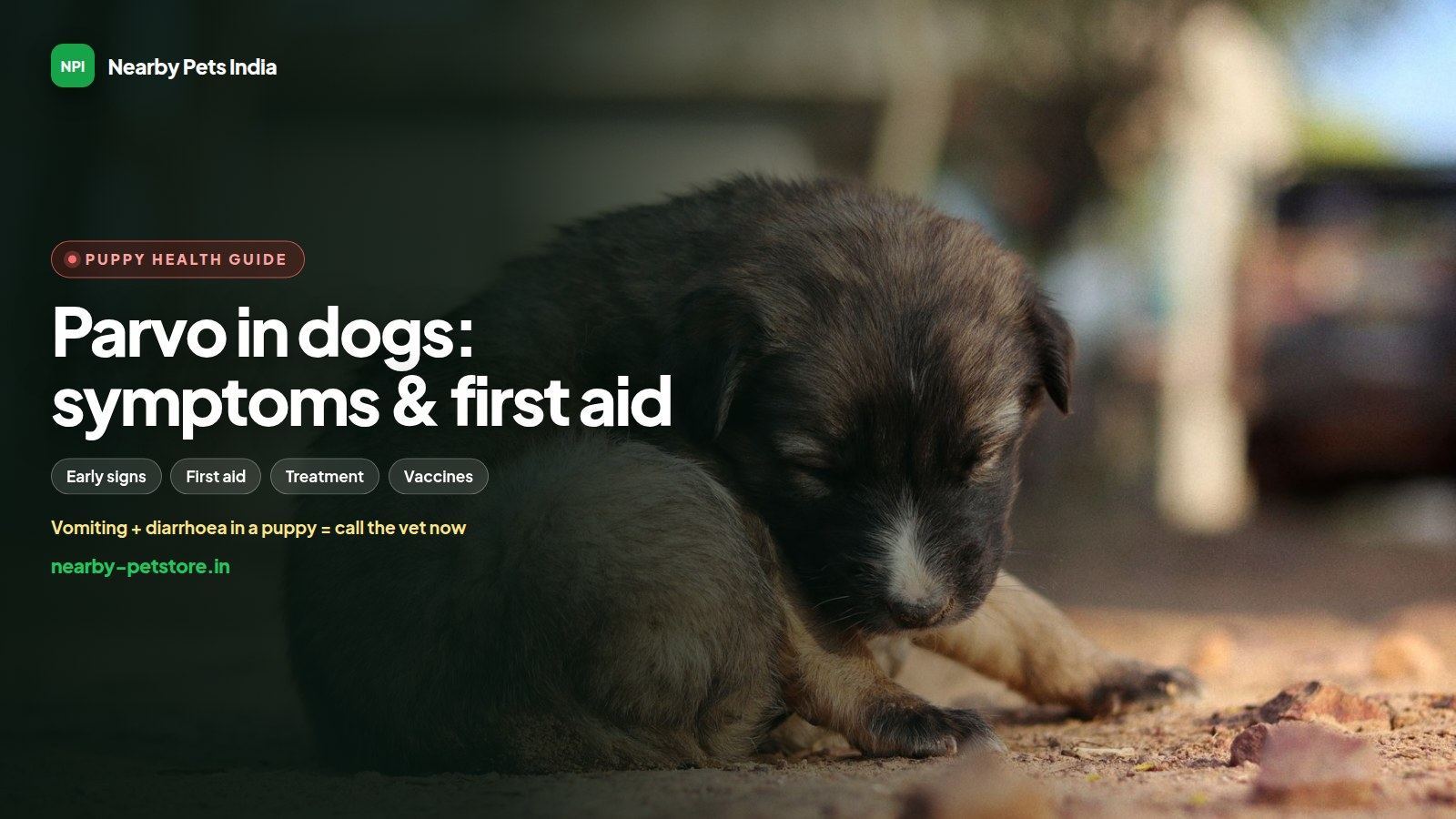
Parvo is the disease Indian vets dread seeing in a new puppy. It moves fast. A puppy that was playing on Monday can be vomiting by Tuesday and in shock by Thursday. It spreads through traces of faeces so small you will never see them, and the virus can survive in soil and on floors for many months. Yet with early veterinary treatment most puppies survive, and a full vaccine course almost completely prevents it.
Between those two facts lies everything you need to know: how to recognise parvo in its first hours, what to do (and not do) before you reach the vet, how treatment works, how to clean your home afterwards, and how to keep your next puppy from ever getting it.
Puppy vomiting, with diarrhoea or bloody stool? Treat it as an emergency.
Call your vet now, not tomorrow morning. Tell them you suspect parvo so they can keep your puppy away from other dogs when you arrive. Every hour of dehydration lowers the odds of survival. There is no home remedy that cures parvo.
Parvo at a glance
| What it is | Canine parvovirus type 2 (CPV-2): a highly contagious virus that destroys the lining of the gut and the immune system |
| Who gets it | Mainly puppies aged 6 weeks to 6 months, and any unvaccinated or partly vaccinated dog |
| How it spreads | Infected faeces, and anything they touch: soil, floors, shoes, hands, bowls, bedding, car mats |
| Time to first symptoms | Usually 3–7 days after exposure |
| Survival | Roughly 80–90% with prompt hospital treatment; most untreated puppies die |
| Can people or cats catch it? | People, no. Cats have their own parvovirus (panleukopenia); rarely, one canine strain infects cats |
| Prevention | A full puppy vaccine course (DHPP), finishing at 16 weeks or later, then boosters |
What parvo actually does to a puppy
Parvovirus attacks cells that divide quickly. In a young dog, those are mainly in two places: the lining of the intestine and the bone marrow that makes white blood cells.
Destroying the gut lining causes the severe vomiting and diarrhoea, often bloody, that parvo is known for. The puppy loses fluid and salts far faster than it can drink them back, so dehydration sets in within hours. A damaged gut also lets bacteria leak from the intestine into the bloodstream. At the same moment the virus is wiping out the white blood cells that should fight those bacteria. That combination of dehydration, blood infection (sepsis) and a collapsed immune system is what kills puppies, usually within 48–72 hours of severe symptoms if they are not treated.
Very rarely, puppies infected in the first weeks of life, usually born to an unvaccinated mother, develop a form that damages the heart muscle and can cause sudden death with almost no warning. Vaccinating breeding females prevents this.
Which puppies are most at risk
- Puppies between 6 weeks and 6 months. This is the danger window, explained in the next section.
- Puppies that have not finished their vaccine course. One or two shots is not full protection.
- Puppies from crowded, unhygienic or unverified sources, such as backyard breeders, roadside sellers and puppy mills, and puppies moved long distances under stress.
- Certain breeds often get hit harder: Rottweilers, Dobermanns, Labradors, German Shepherds, American Pit Bull Terriers and English Springer Spaniels are commonly listed.
- Puppies carrying worms or other infections, which make the gut more fragile.
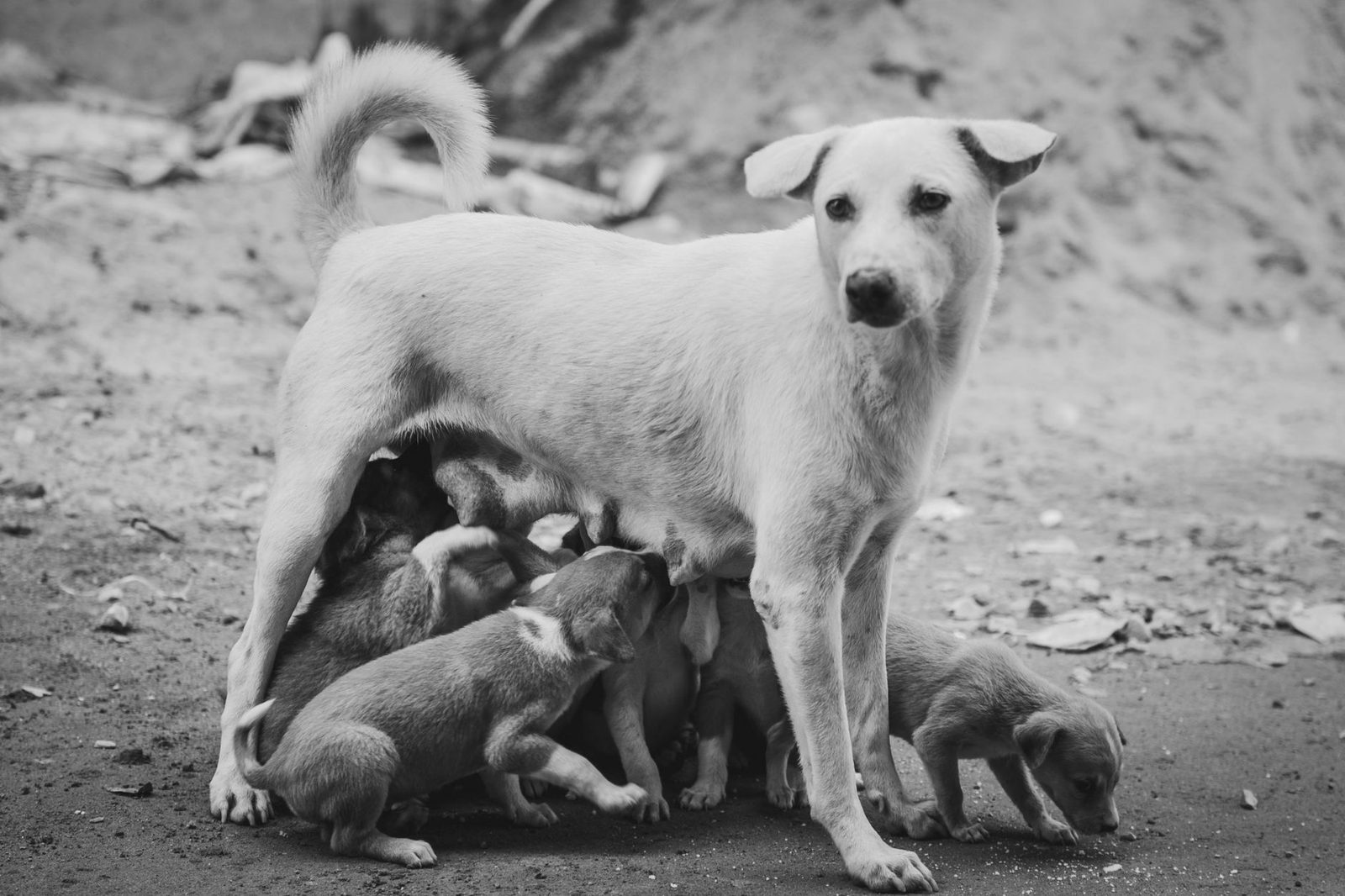
Why puppies need several vaccine doses: the "immunity gap"
A newborn puppy gets protective antibodies from its mother's first milk. Those antibodies protect it for the first weeks of life, then fade at an unpredictable rate, anywhere from about 6 to 16 weeks. While they are still present, they also block the vaccine from working.
Nobody can know exactly when a particular puppy's maternal antibodies drop low enough for the vaccine to take. So vets give a dose every 3–4 weeks until the puppy is at least 16 weeks old. One of those doses will land after the maternal antibodies are gone, and that is the one that protects. Between the maternal antibodies fading and the vaccine taking hold, there can be a stretch of days or weeks when the puppy has no protection at all. Parvo exploits exactly this gap, which is why careful handling matters so much until the course is complete.
How to identify parvo: symptoms to watch for
Parvo usually begins quietly and then escalates within a day. Learn the early signs, because treatment that starts early is far more likely to succeed.
Early signs (first 24 hours)
- Lethargy: a normally playful puppy lies around, does not greet you, and does not want to play.
- Loss of appetite: refusing food, even favourite treats. In a puppy this is always significant.
- Fever, or in some puppies a low body temperature. Ears and belly may feel unusually hot or cold.
- Hiding, curling up tightly, and seeming withdrawn.
Advancing signs (24–72 hours)
- Repeated vomiting, often clear, yellow or foamy, continuing even when nothing has been eaten.
- Severe diarrhoea, watery and frequently bloody, with a very strong, distinctive foul smell that many vets recognise immediately.
- A painful, tense or bloated belly. The puppy may hunch up or cry when picked up.
- Rapid weight loss and a sunken, hollow look.
Emergency signs: go immediately
- Severe dehydration: sunken eyes, dry or sticky gums, and skin that stays "tented" when gently pinched at the back of the neck.
- Pale, white or greyish gums, or gums that take more than two seconds to turn pink again after you press them with a finger.
- Cold legs and ears, weakness, being unable to stand, or collapse.
- Rapid or laboured breathing, or a racing heartbeat.
Not every upset stomach is parvo, but do not guess
Worms, a sudden diet change, eating rubbish, giardia, coronavirus and distemper can all cause vomiting and diarrhoea in puppies. Only a test can tell them apart. In an unvaccinated or partly vaccinated puppy, assume parvo until a vet has ruled it out.
How vets confirm parvo
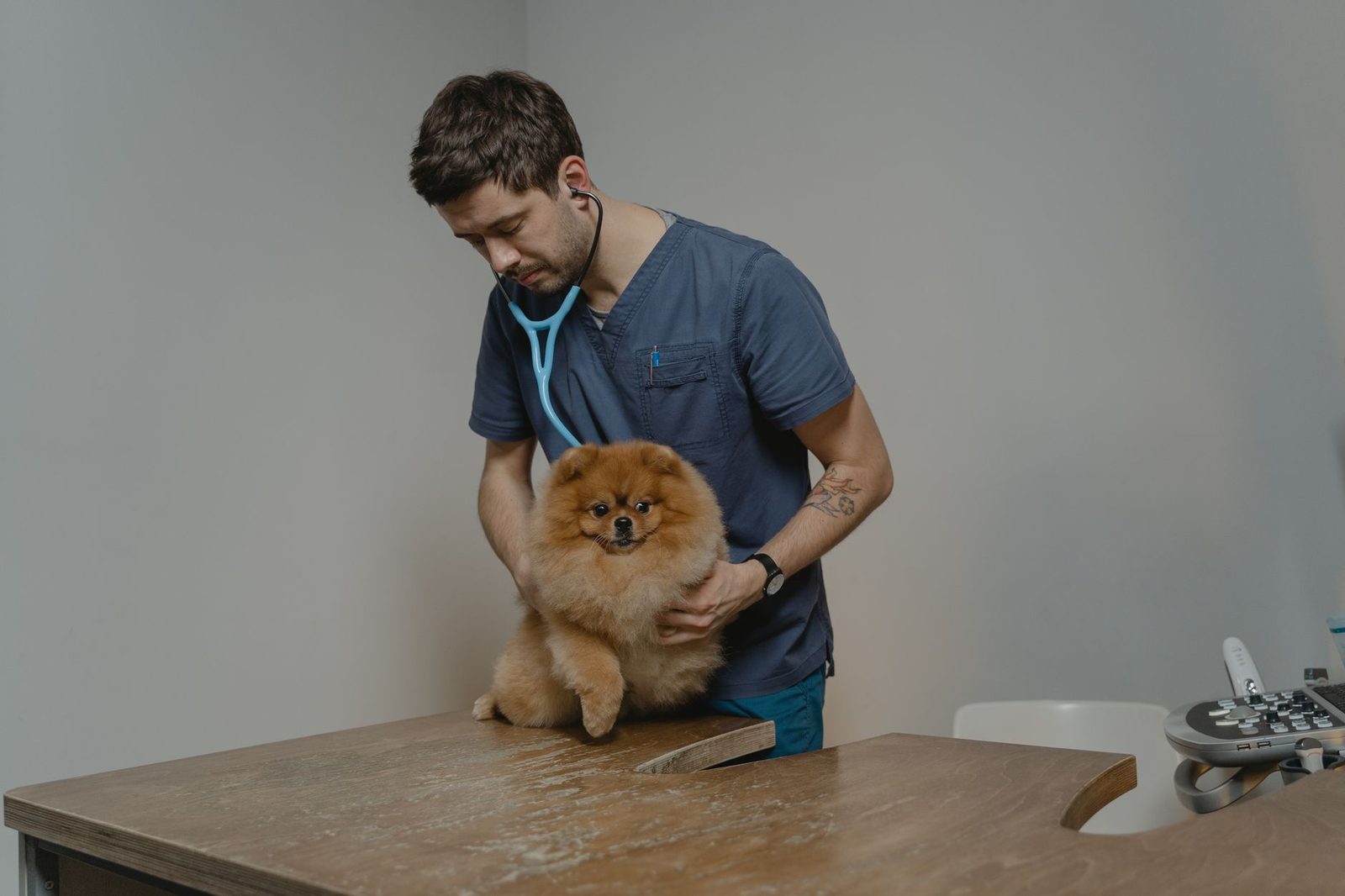
Most clinics in India can run a rapid faecal antigen test (often called a "snap" or "parvo kit" test) from a stool swab in about ten minutes. Vets usually add a blood count, because a very low white-cell count supports the diagnosis and tells them how severe the case is.
Two things to know. A test done very early in the illness can come back negative even when the puppy has parvo, so if symptoms fit, your vet may retest or treat anyway. And a puppy vaccinated in the previous week or two can sometimes show a weak positive from the vaccine itself, so tell the vet the date of the last vaccine.
First aid: what to do on the way to the vet
There is no first aid that treats parvo at home. What you can do is keep the puppy as stable as possible, get it to a vet fast, and stop the virus spreading.
- Call ahead. Phone the clinic, say you suspect parvo, and ask how they want you to arrive. Many will meet you outside or take you straight to an isolation room, so other puppies in the waiting area are not exposed.
- Isolate the puppy from all other dogs at home immediately, especially other puppies and unvaccinated dogs.
- Keep it warm. Sick puppies lose heat quickly. Wrap it in a towel or blanket and keep it away from AC drafts and fans. Do not use a hot water bottle directly against the skin.
- Do not force food or water. If the puppy is vomiting, forcing liquids by mouth usually triggers more vomiting and risks inhaling it. Oral rehydration is only for a puppy that is not vomiting, in tiny amounts, and only if your vet tells you to.
- Do not give human medicines. Paracetamol, ibuprofen, anti-diarrhoeal tablets and leftover antibiotics can be dangerous or deadly for puppies, and can hide signs the vet needs to see.
- Take a fresh stool sample in a sealed bag or container, or a photo of the vomit and diarrhoea. Note how many times each has happened and when it started.
- Travel in a lined crate or box. Use newspaper or puppy pads, and carry spare towels and a plastic bag for soiled material.
- Bring the vaccination and deworming record, and the details of where the puppy came from.
What does not work
Coconut water, curd, garlic, raw eggs, herbal tonics, and "parvo cures" sold online cannot replace fluids and veterinary care. A puppy that is vomiting and has bloody diarrhoea needs a drip. Waiting a day "to see" is the most common reason puppies that could have been saved are not.
How parvo is treated
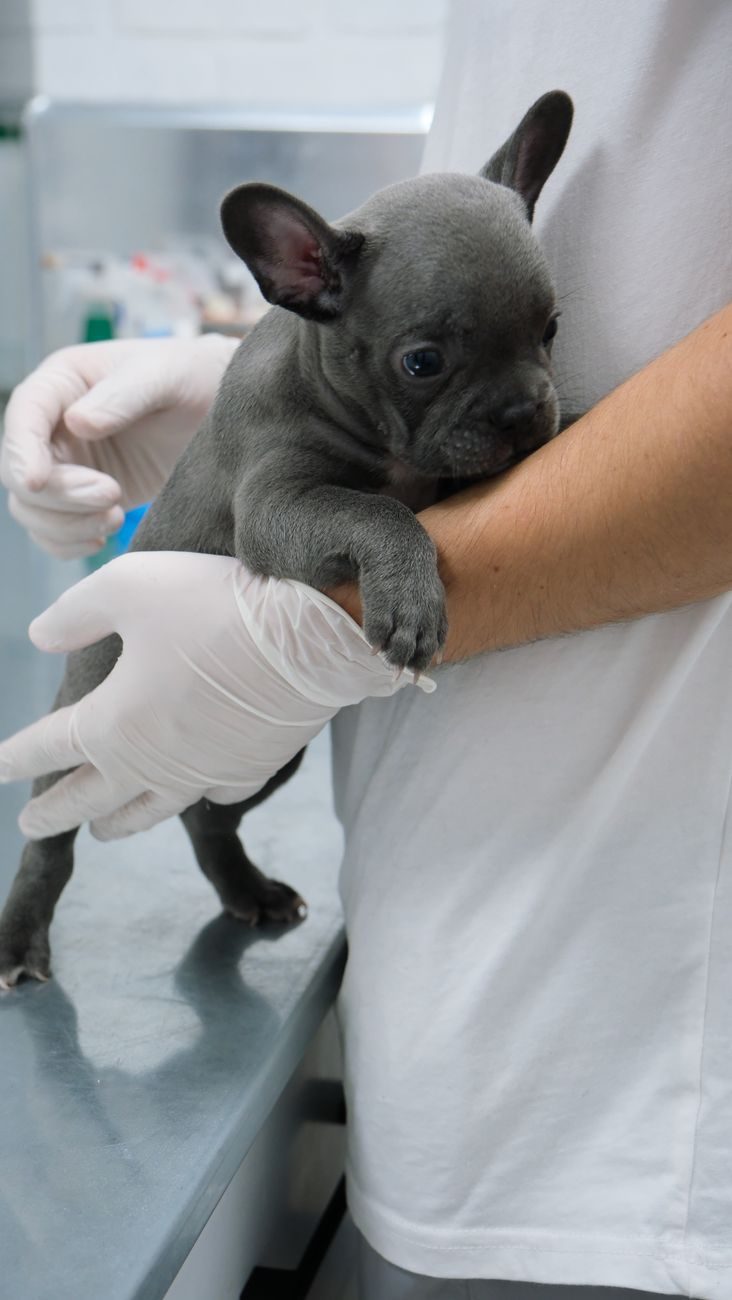
There is no medicine that kills the virus. Treatment keeps the puppy alive while its own immune system clears the infection, usually over about five to seven days. Typical hospital care includes:
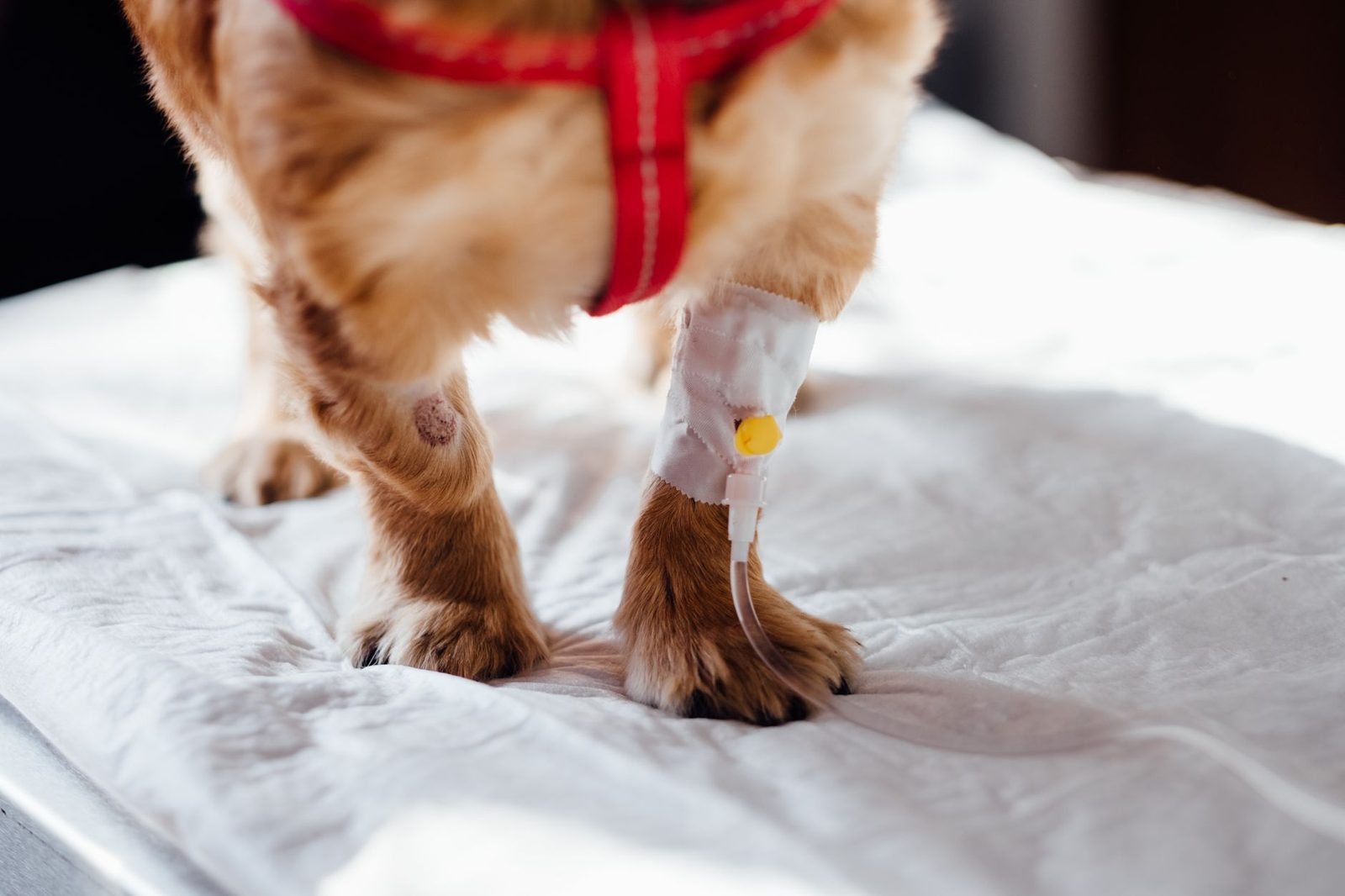
- Intravenous fluids to correct dehydration, with added potassium and glucose as blood tests show they are needed. This is the most important part.
- Anti-vomiting medication so the puppy can rest and start to eat again.
- Antibiotics to fight bacteria leaking from the damaged gut into the blood.
- Pain relief for the abdominal cramping.
- Early feeding: small amounts of easily digested food, sometimes by tube, as soon as vomiting is controlled, which helps the gut heal.
- Deworming, and sometimes plasma or blood transfusions in severe cases.
Hospital treatment with round-the-clock IV fluids gives the best odds. If full hospitalisation is not affordable, ask your vet honestly about an intensive outpatient plan, with fluids under the skin, injections and daily rechecks. These protocols have saved many puppies. They are vet-led and are not the same as treating at home alone.
Recovery and care after parvo
- The first signs of recovery are usually a puppy that lifts its head, shows interest in food, and stops vomiting. Appetite returning is a very good sign.
- Feed small, bland meals several times a day as your vet directs, then go back to the regular puppy diet slowly over a week or two.
- Keep the puppy isolated from other dogs for at least two weeks after symptoms resolve, or longer if your vet advises. Recovered puppies can still shed the virus in their stool.
- Finish every prescribed medicine, and go to the follow-up visit for a blood check.
- Restart vaccinations on the schedule your vet sets. Dogs that survive parvo are generally strongly immune to it afterwards, but they still need their other core vaccines.
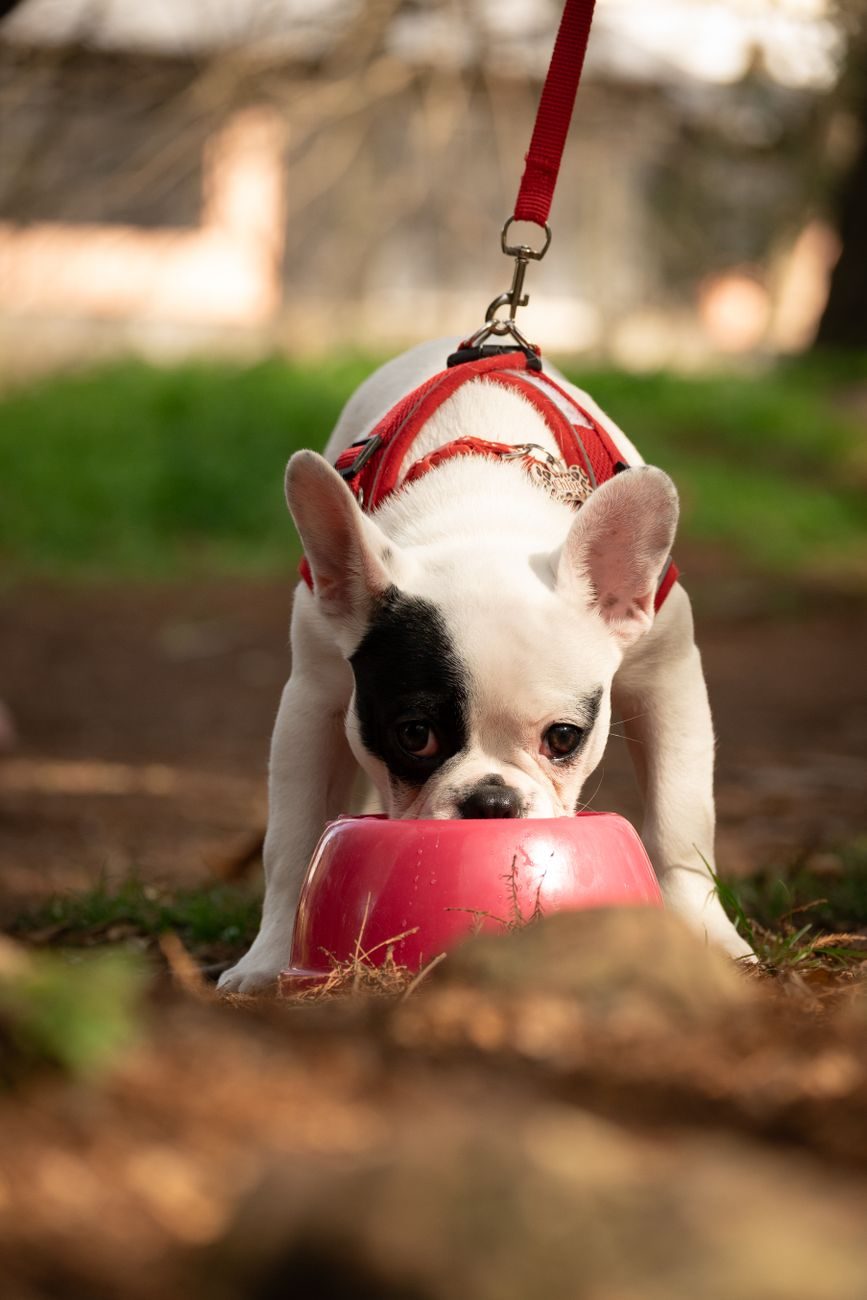
Cleaning your home: killing a very tough virus
Parvovirus is unusually hard to kill. It can survive for months indoors and for up to a year in shaded soil. Most everyday cleaners, including phenyl, alcohol-based sanitisers and many floor cleaners, do not reliably kill it.
- Clean first, then disinfect. Disinfectants do not work through faeces, vomit or dirt. Scrub surfaces with detergent and water, rinse, then disinfect.
- Use diluted household bleach (sodium hypochlorite): about 1 part regular bleach to 30 parts water, mixed fresh each day. Leave it wet on the surface for at least 10 minutes, then rinse. Veterinary disinfectants based on potassium peroxymonosulfate or accelerated hydrogen peroxide also work. Follow the label.
- Bowls, toys and crates: disinfect hard items the same way, and throw away chewed, porous toys.
- Bedding and towels: wash on the hottest cycle with detergent and dry completely, or discard heavily soiled items.
- Shoes and hands: wash hands with soap after handling the puppy, and clean shoe soles. A bleach-solution footbath at the door helps during the illness.
- Gardens and soil cannot be properly disinfected. Sunlight and drying help. Keep unvaccinated dogs off that area for many months.
Bleach damages fabrics and some floors and must never be mixed with ammonia, acids or other cleaners. Ventilate the room, wear gloves, and keep pets and children away until surfaces are rinsed and dry.
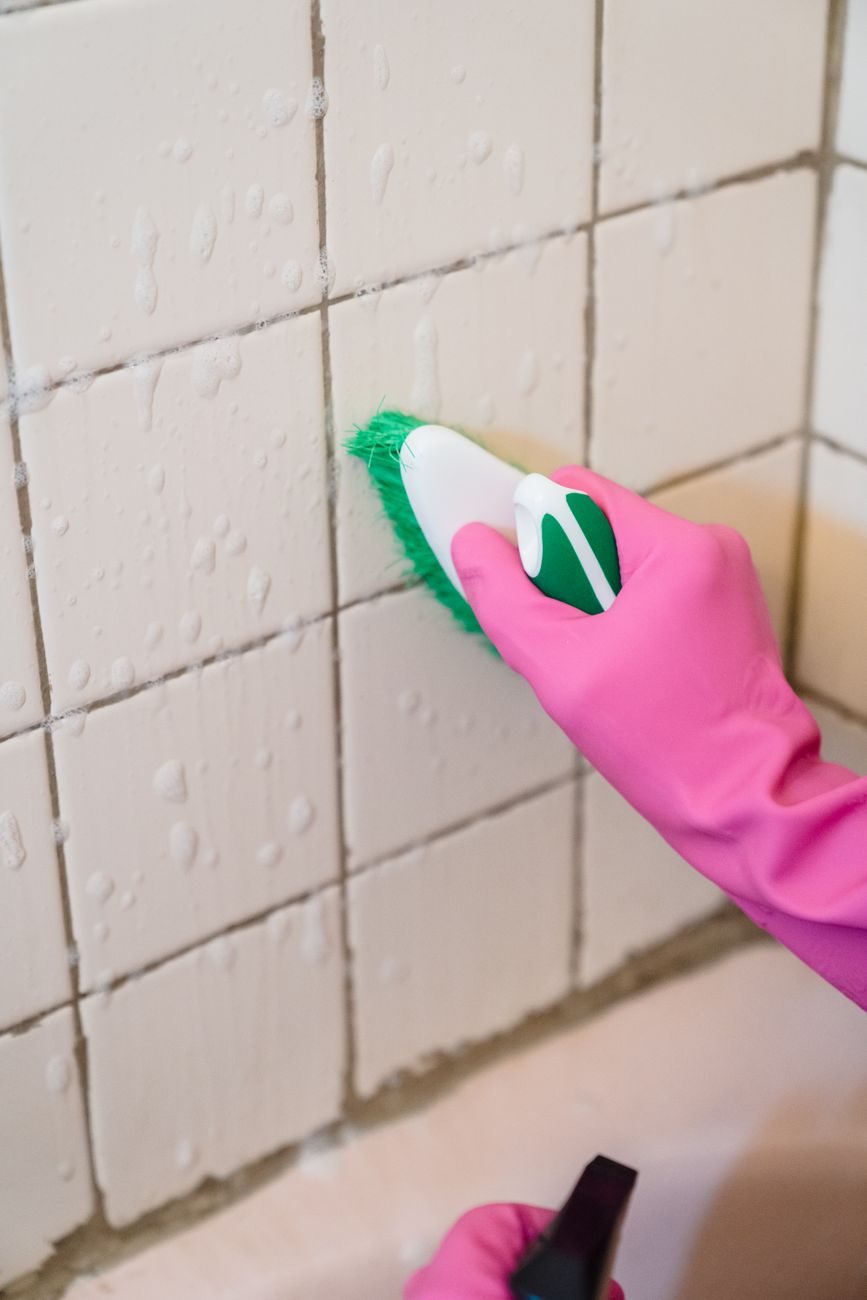
Prevention: the vaccine schedule that stops parvo
The parvo vaccine is part of the core combination vaccine for puppies, usually called DHPP, DA2PP, or a "7-in-1" or "9-in-1" in India. Schedules vary slightly by vet and brand, but follow this general pattern, which is based on WSAVA guidance:
| Age | Vaccine |
|---|---|
| 6–8 weeks | First core vaccine (parvo + distemper, often as a "puppy DP" dose) |
| Every 3–4 weeks after | Repeat core combination doses |
| 16 weeks or older | Final puppy dose. Do not stop at 12 weeks |
| 6 months to 1 year | Booster, which catches any puppy whose earlier doses did not take |
| Adult | Boosters as your vet advises. Many Indian vets give the combination vaccine yearly |
And until the puppy course is complete:
- Keep the puppy off the ground in public places: streets, parks, building compounds, pet shops, and vet-clinic floors. Carry it instead.
- Only socialise with healthy, fully vaccinated dogs in clean, private spaces. Early socialisation still matters, so do it safely rather than skipping it.
- Leave outdoor shoes at the door, and wash your hands after touching other dogs.
- Deworm on schedule. A worm-free gut copes better with any infection.
- If a dog in your home has had parvo, ask your vet before bringing in a new puppy, and only bring in one that is fully vaccinated.
Buying a puppy: questions that help you avoid parvo
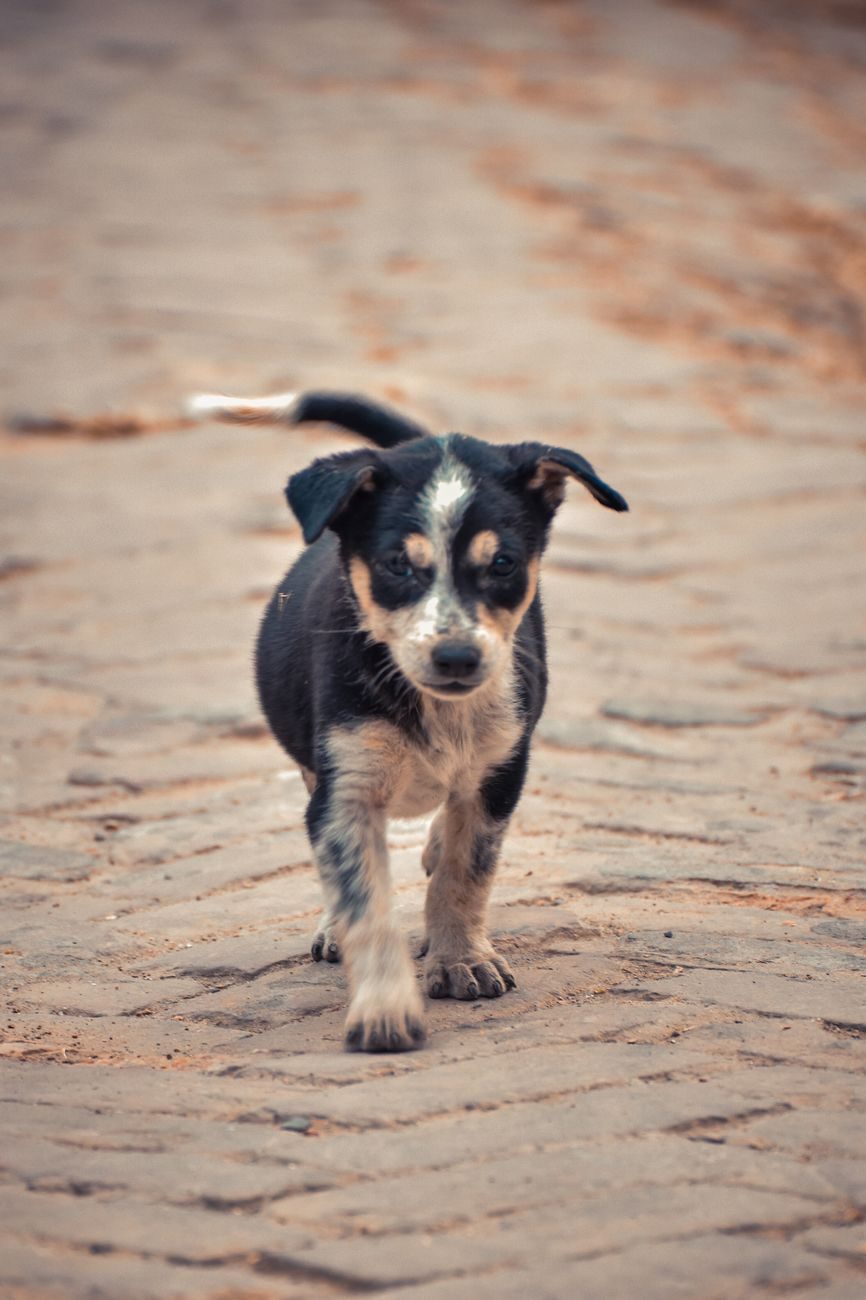
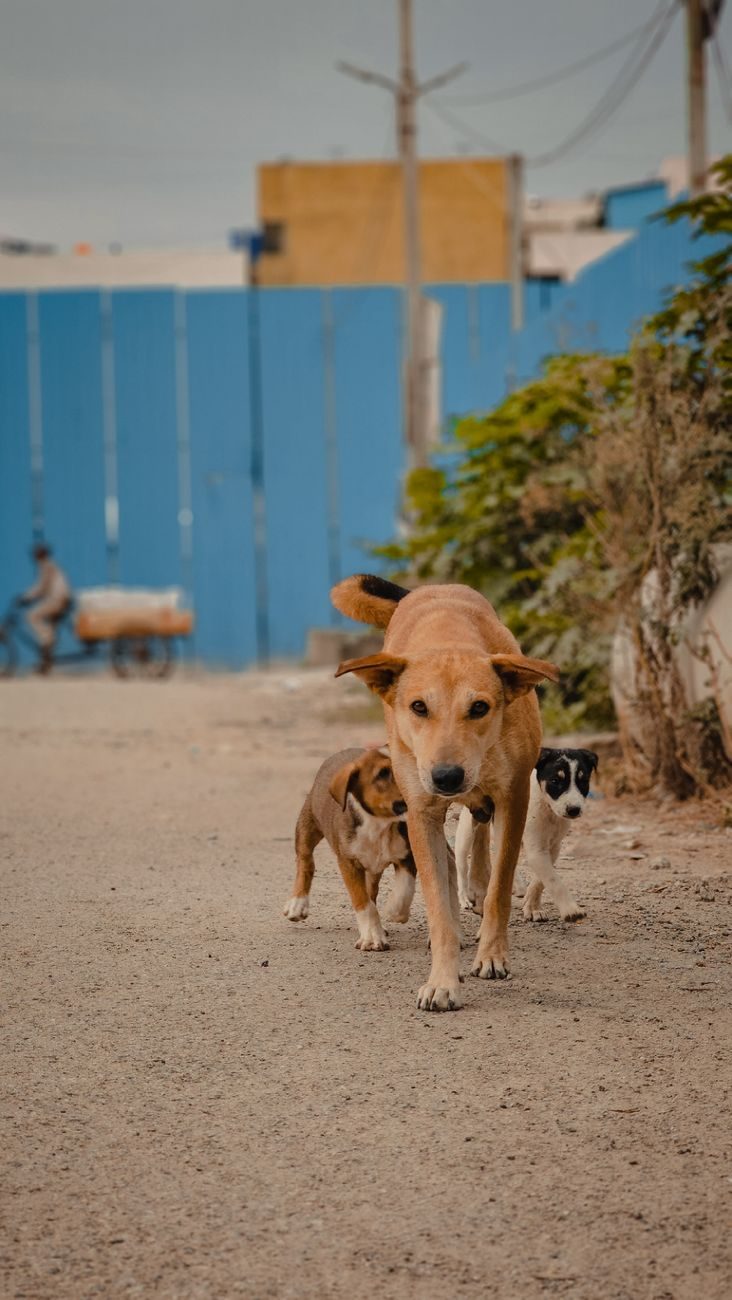
Many parvo cases in India begin with a puppy bought young, unvaccinated, from a crowded and unhygienic source. Before you buy, check these:
- Age: the puppy should be at least 8 weeks old.
- Vaccination card: each dose should be recorded with the vaccine sticker, the date and the vet's stamp, not just a handwritten note.
- Deworming record with dates.
- Health: bright eyes, clean ears and rear end, firm stool, an active, curious puppy. Walk away from litters where any puppy is listless, coughing or has diarrhoea.
- See where the puppies are kept, or a video of it. Clean, dry and uncrowded is what you are looking for.
- Book a vet visit within the first few days of bringing the puppy home, and continue the vaccine schedule without gaps.
The bottom line
Parvo is frightening, but it is not a mystery. Complete the full vaccine course, finishing at 16 weeks or later, and keep your puppy away from public ground until it is done. If a young puppy goes quiet, stops eating and starts vomiting, treat it as an emergency and get to a vet that day. Speed is the one thing you control, and it is what saves most puppies.
Every puppy from Nearby Pets India is vet-checked before dispatch and sent with its age-appropriate vaccination and deworming record, so you know exactly which doses are done and which are still due. If you are not sure where your puppy is in its schedule, ask your vet at the first visit, or ask our team.
This guide is for general awareness and does not replace veterinary advice. If you suspect parvo, contact a registered veterinarian immediately.
Frequently asked questions
What are the first symptoms of parvo in puppies?
Usually lethargy and loss of appetite, often with a fever, followed within a day by repeated vomiting and severe diarrhoea that is frequently bloody and very foul-smelling. Signs of dehydration, such as sunken eyes, sticky gums and skin that stays tented when pinched, mean it is an emergency.
How long does a puppy with parvo have without treatment?
Parvo can kill within 48 to 72 hours of severe symptoms through dehydration and blood infection, and most untreated puppies die. With prompt veterinary treatment, roughly 80 to 90 percent survive. Speed matters more than anything else.
Can parvo be treated at home?
There is no home cure. Puppies with parvo need intravenous or vet-given fluids, anti-vomiting medicine and antibiotics. If full hospitalisation is not affordable, ask your vet about an intensive outpatient plan with daily rechecks. These are vet-led and have saved many puppies.
What is the first aid for a puppy with suspected parvo?
Call your vet immediately and tell them you suspect parvo. Isolate the puppy from other dogs, keep it warm, and do not force food or water if it is vomiting. Do not give human medicines. Take a stool sample and the vaccination record, and transport the puppy in a lined crate.
How is parvo diagnosed?
Most vet clinics use a rapid faecal antigen test that gives a result in about ten minutes, usually alongside a blood count. Early tests can be falsely negative, and a puppy vaccinated in the last week or two can show a weak positive, so tell the vet the date of the last vaccine.
Can humans or cats catch parvo from a dog?
Humans cannot catch canine parvovirus. Cats have their own related parvovirus (feline panleukopenia), and one canine strain can occasionally infect cats, so keep sick dogs away from unvaccinated cats and practise good hygiene.
How do I disinfect my house after parvo?
Scrub off all dirt and faeces first, then apply household bleach diluted about 1 part to 30 parts water, mixed fresh each day, and leave it wet for at least 10 minutes before rinsing. Phenyl, alcohol sanitisers and most floor cleaners do not reliably kill parvo. Wash bedding hot and discard chewed porous toys. Soil cannot be disinfected, so keep unvaccinated dogs off it for many months.
When is my puppy protected against parvo?
Only after the full puppy course. Doses are given every 3 to 4 weeks starting at 6 to 8 weeks, and the final dose must be at 16 weeks or older, followed by a booster at 6 to 12 months. Until then, keep your puppy off public ground and away from unknown dogs.
Can a vaccinated dog still get parvo?
It is uncommon in a dog that has completed the full puppy series and its boosters. Most cases in 'vaccinated' puppies happen because the course was not finished, the last dose was given before 16 weeks, or doses were too far apart.
Looking for a healthy, vaccinated puppy?
Browse vet-checked puppies from verified breeders, each sent with its vaccination and deworming record, with delivery across India.
See available puppies