If you keep an African Grey, a macaw, a cockatoo, a conure or almost any other exotic parrot in India, the law now expects that bird to be registered on PARIVESH. Since February 2024, the Living Animal Species (Reporting and Registration) Rules require every holder of a CITES-listed exotic animal to report and register it online with the state's Chief Wildlife Warden, within 30 days of getting it.
Many bird keepers still have not heard of it, and many who have are worried about what it means: inspections, paperwork, or trouble later. This guide explains, in plain language, what PARIVESH registration is, which birds need it and which do not, how it actually helps you as an owner, what your duties are once you are registered, and what can happen if you keep an exotic bird without it.
The short answer
- What: online registration of exotic (CITES-listed) animals on the Government's PARIVESH 2.0 portal, under Section 49M of the Wild Life (Protection) Act.
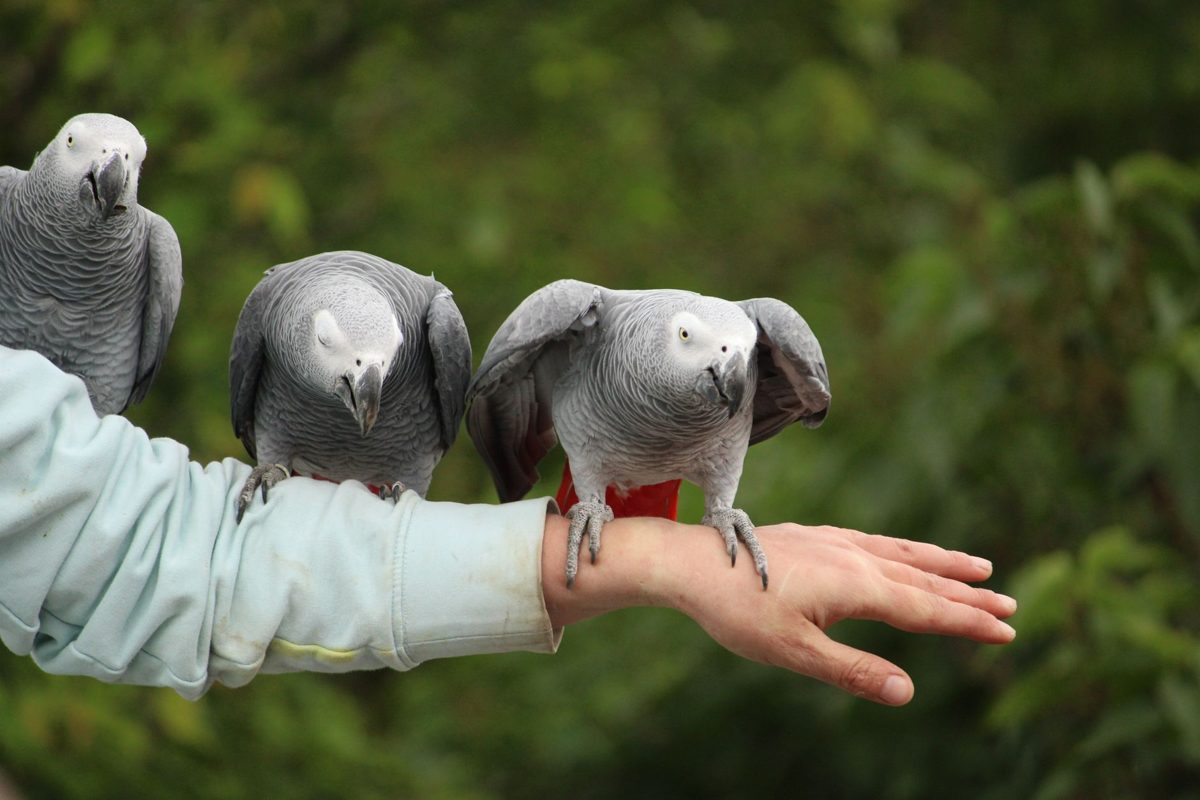
- Who: anyone who keeps a Schedule IV bird, which covers almost all exotic parrots: African Greys, macaws, cockatoos, Amazons, Eclectus, conures, lorikeets and most lovebirds.
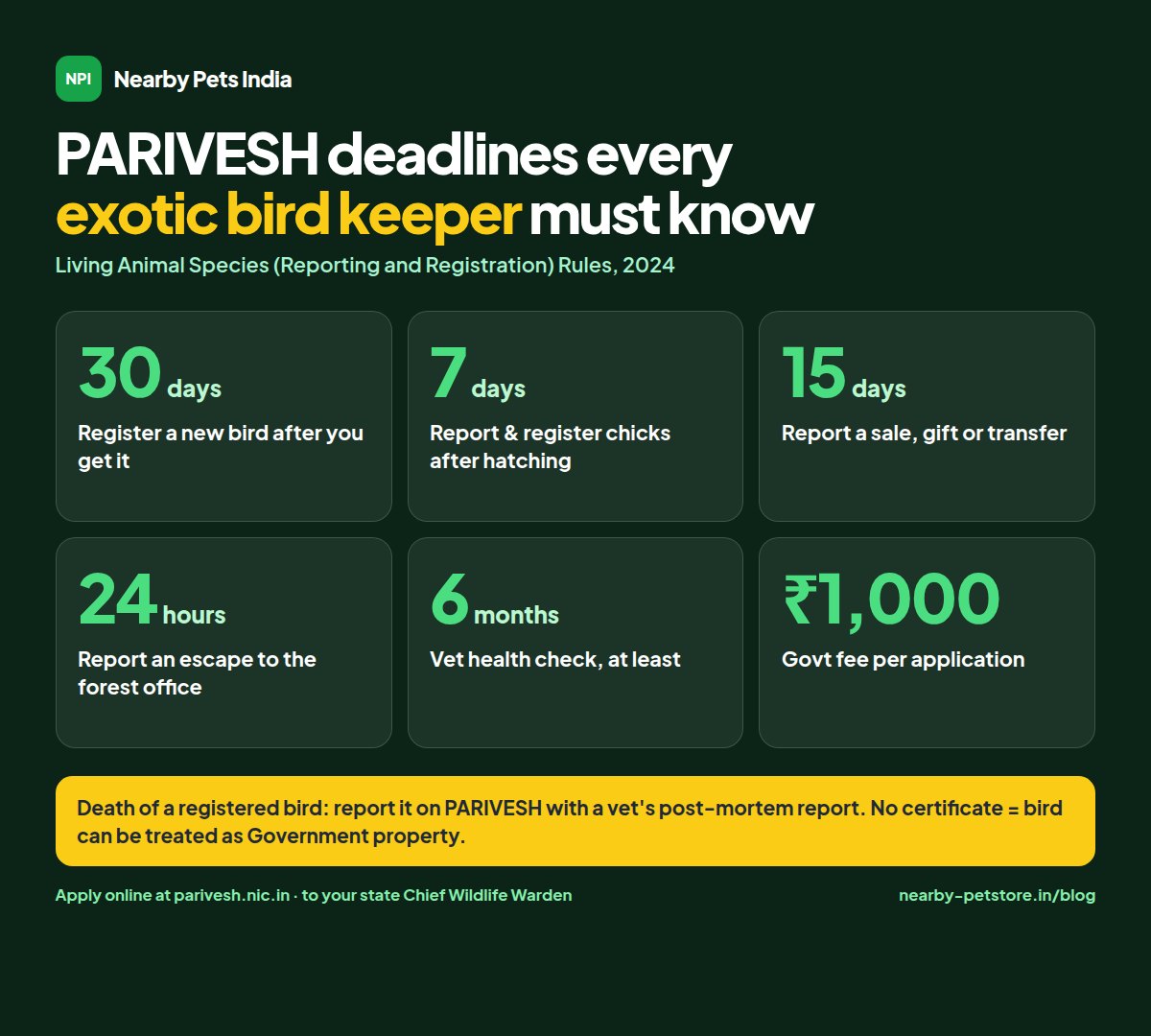
- When: within 30 days of getting the bird. Chicks within 7 days of hatching. Sales or gifts within 15 days.
- Cost: a government fee of ₹1,000 per application.
- Not needed for budgies, cockatiels and peach-faced lovebirds, which are outside CITES.
- Without it, an exotic bird can be treated as Government property and seized.
What is PARIVESH?
PARIVESH (Pro-Active and Responsive facilitation by Interactive, Virtuous and Environmental Single-window Hub) is the online portal of the Ministry of Environment, Forest and Climate Change. It was built for environmental and forest clearances, and its upgraded version, PARIVESH 2.0, is now also where exotic animal keepers report and register their animals.
The legal basis is short and clear:
- The Wild Life (Protection) Amendment Act, 2022 added a new Schedule IV, which lists species covered by CITES, the international convention on trade in endangered species. Almost every exotic parrot sold in India falls in it.
- The same Act added Section 49M, which requires anyone holding a living Schedule IV animal to report and register it, and to report its births, transfers and deaths.
- The Living Animal Species (Reporting and Registration) Rules, 2024, notified on 28 February 2024, set out how: online, on PARIVESH 2.0, to the state's Chief Wildlife Warden (the "Management Authority"), with fixed deadlines and fees.
Existing owners had six months, until late August 2024, to declare the birds they already had. That window has closed. Today the rule that matters is: register every new bird within 30 days of getting it.
Which exotic birds need PARIVESH registration?
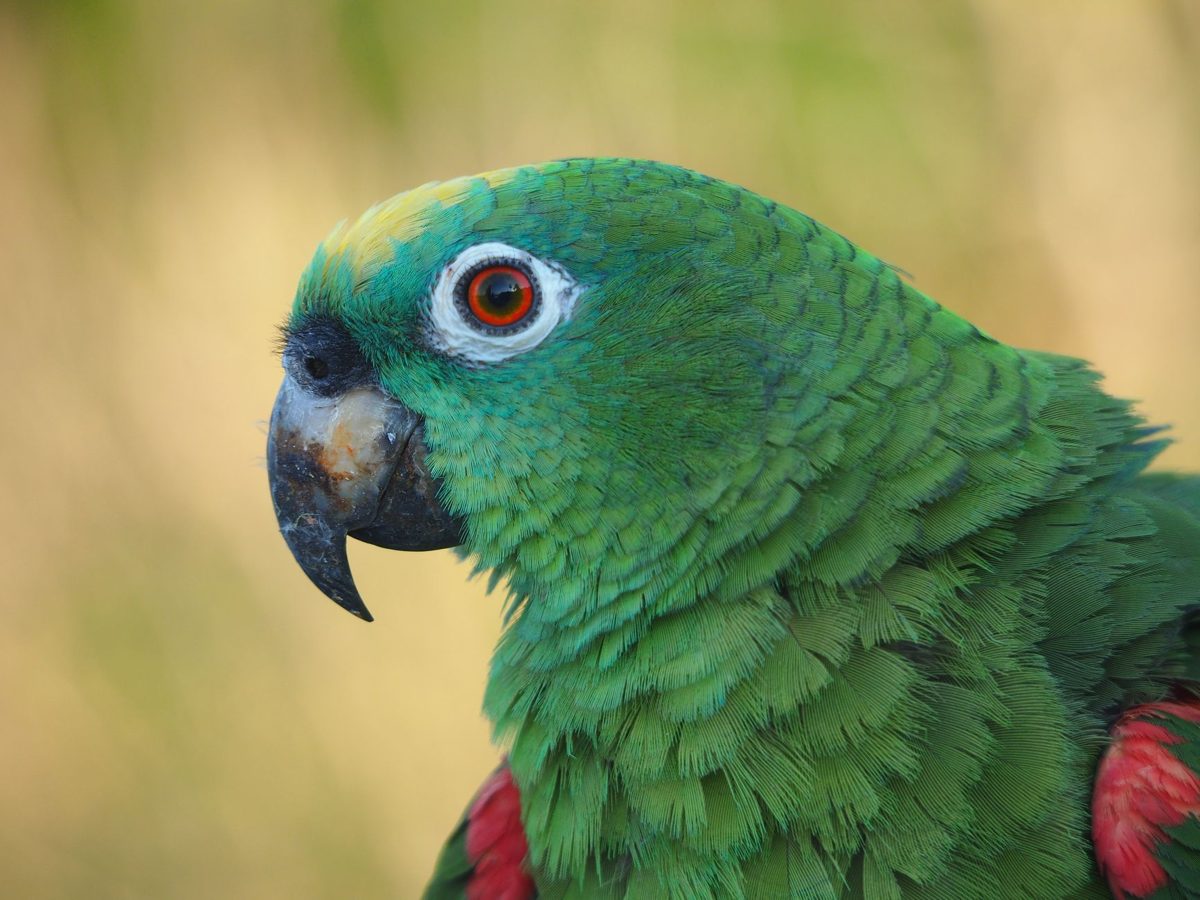
CITES lists all parrots (the order Psittaciformes), with exactly four exceptions: the budgerigar, the cockatiel, the peach-faced lovebird and the rose-ringed parakeet. So the simple rule is: if it is an exotic parrot and not a budgie, cockatiel or peach-faced lovebird, it almost certainly needs registration.
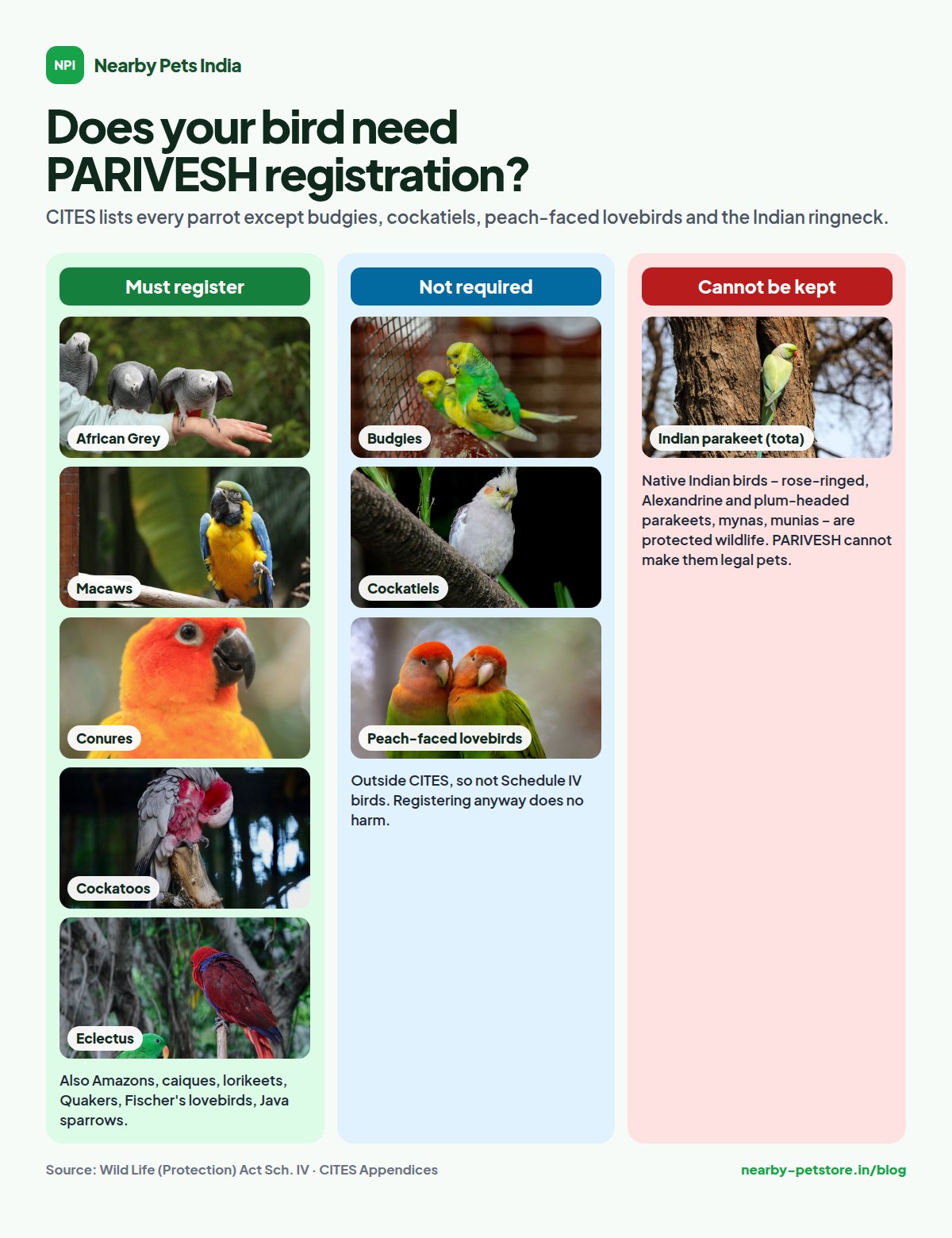
| Bird | CITES | PARIVESH registration |
|---|---|---|
| African Grey parrot | Appendix I | Required; breeding also regulated |
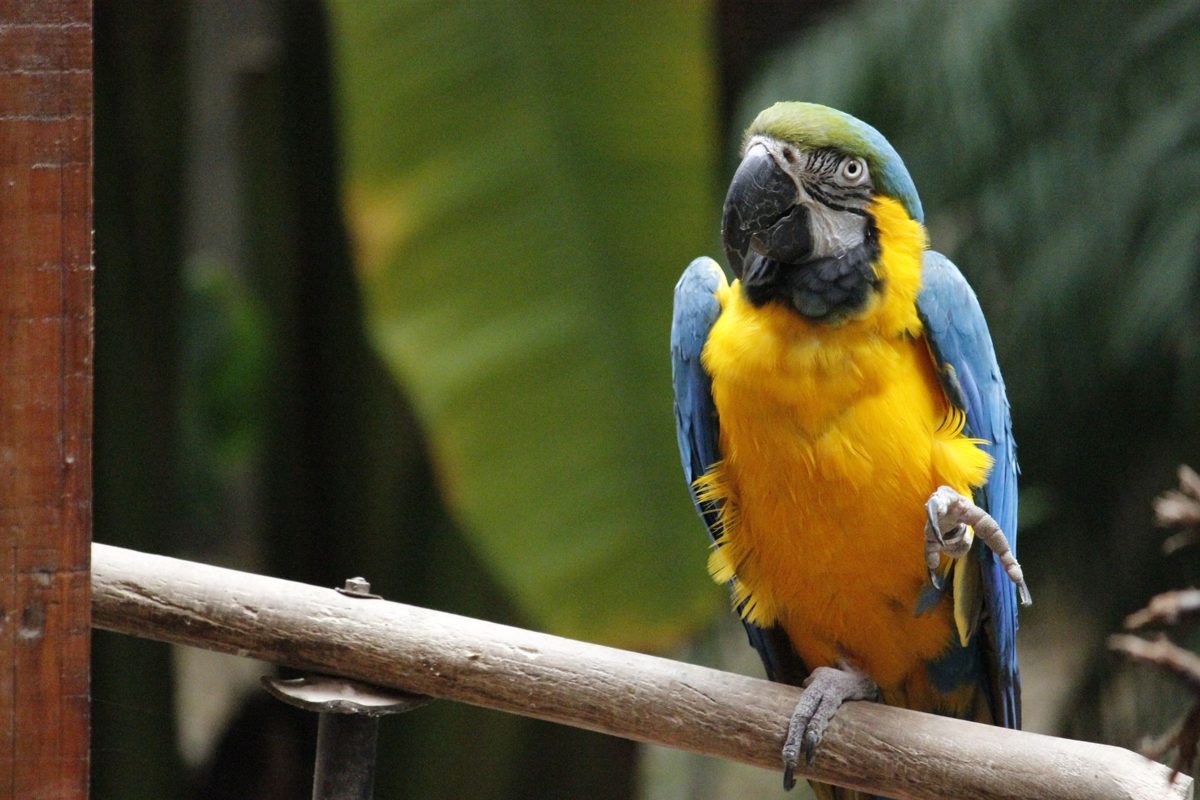
| Macaws (Blue & Gold, Hahn's and others) | Appendix I or II | Required |
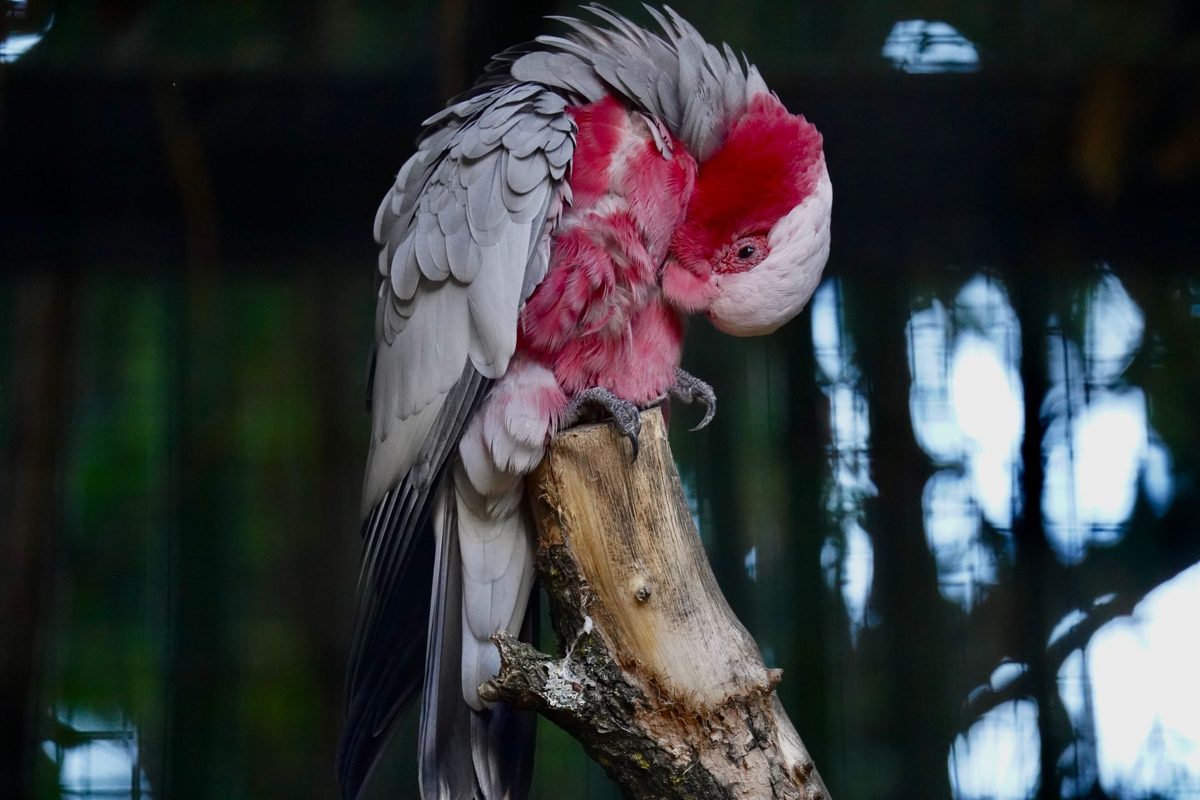
| Cockatoos (Galah, Moluccan and others) | Appendix I or II | Required |
| Amazon parrots | Appendix I or II | Required |
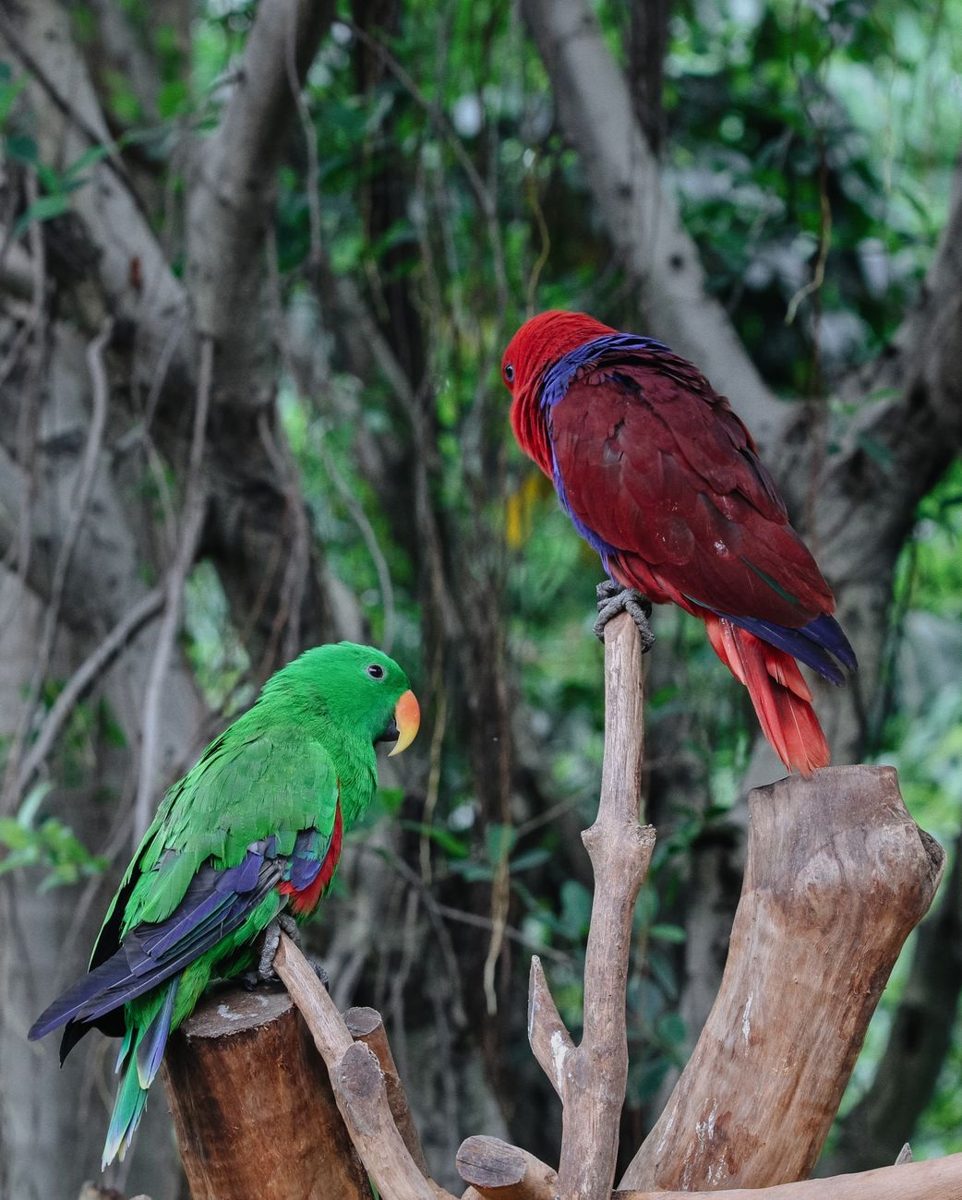
| Eclectus | Appendix II | Required |
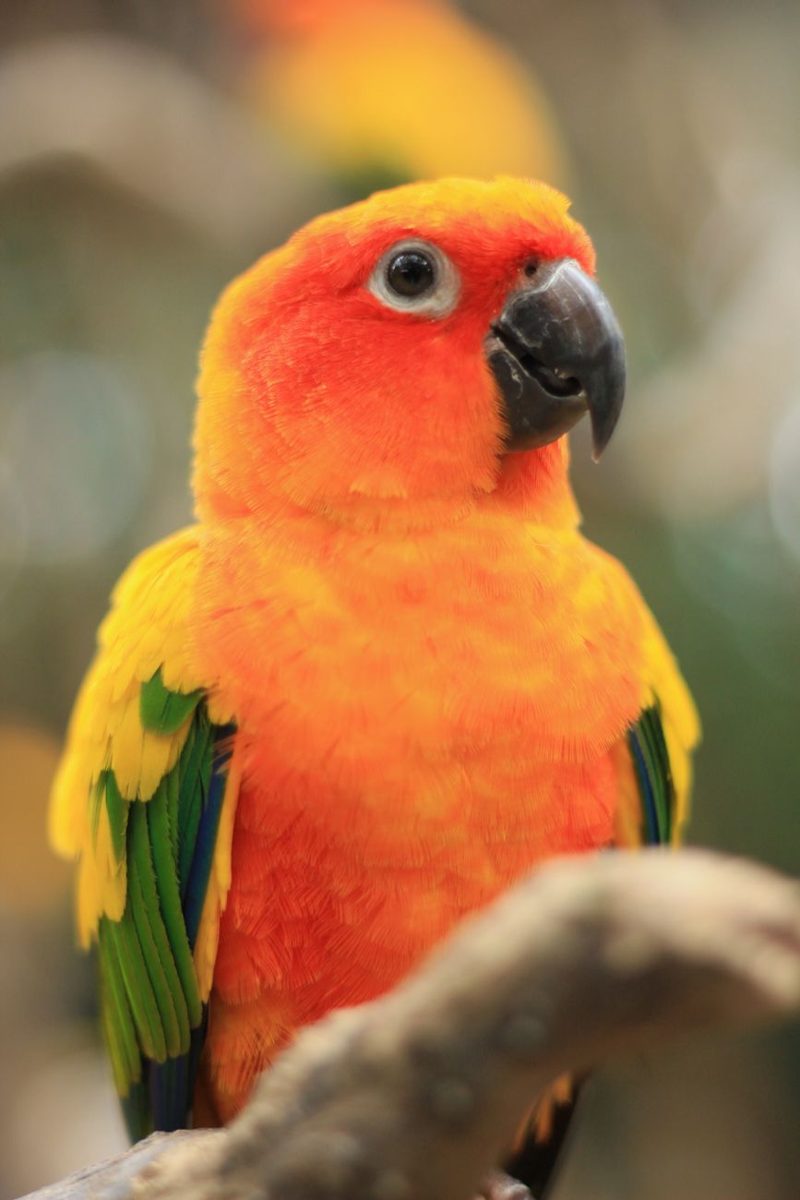
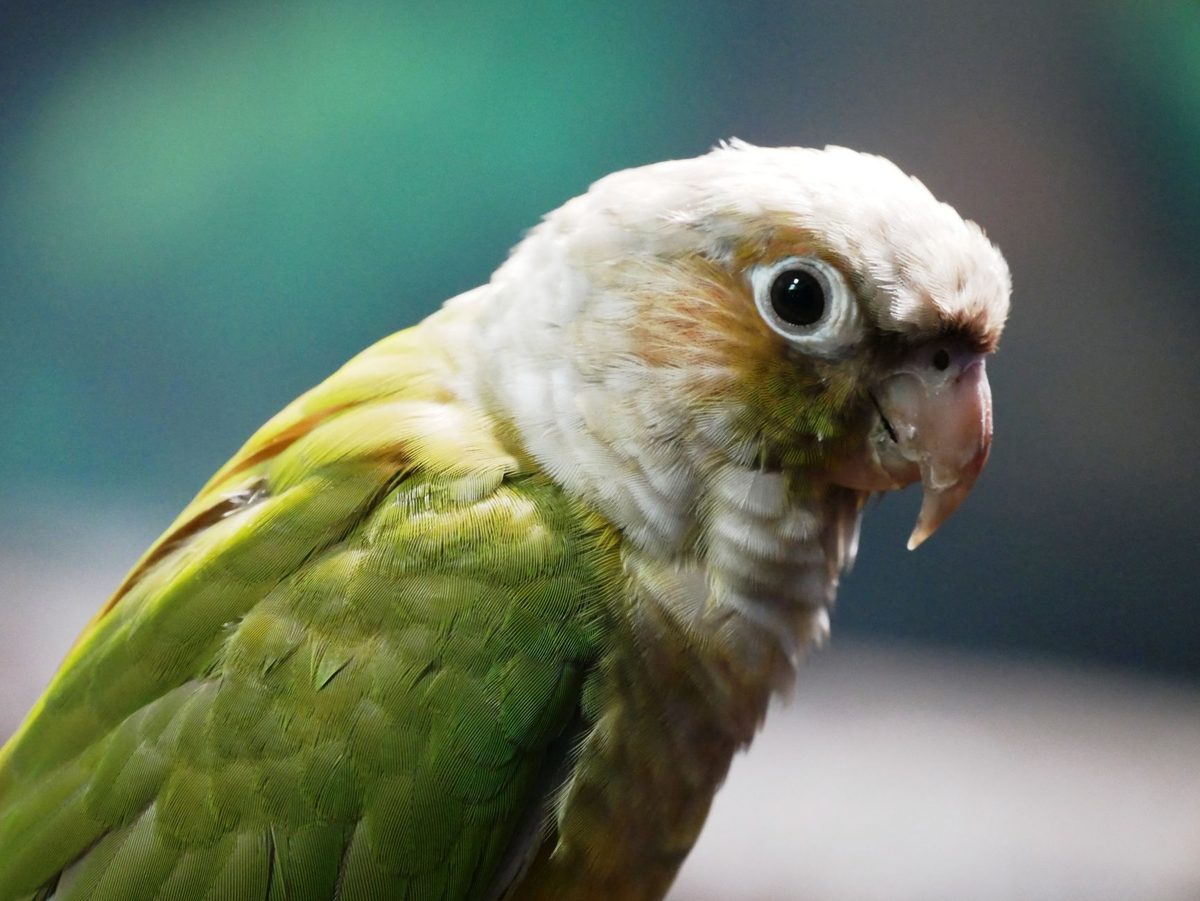
| Conures (Sun, Green-cheeked, Jenday and others) | Appendix II (a few in I) | Required |
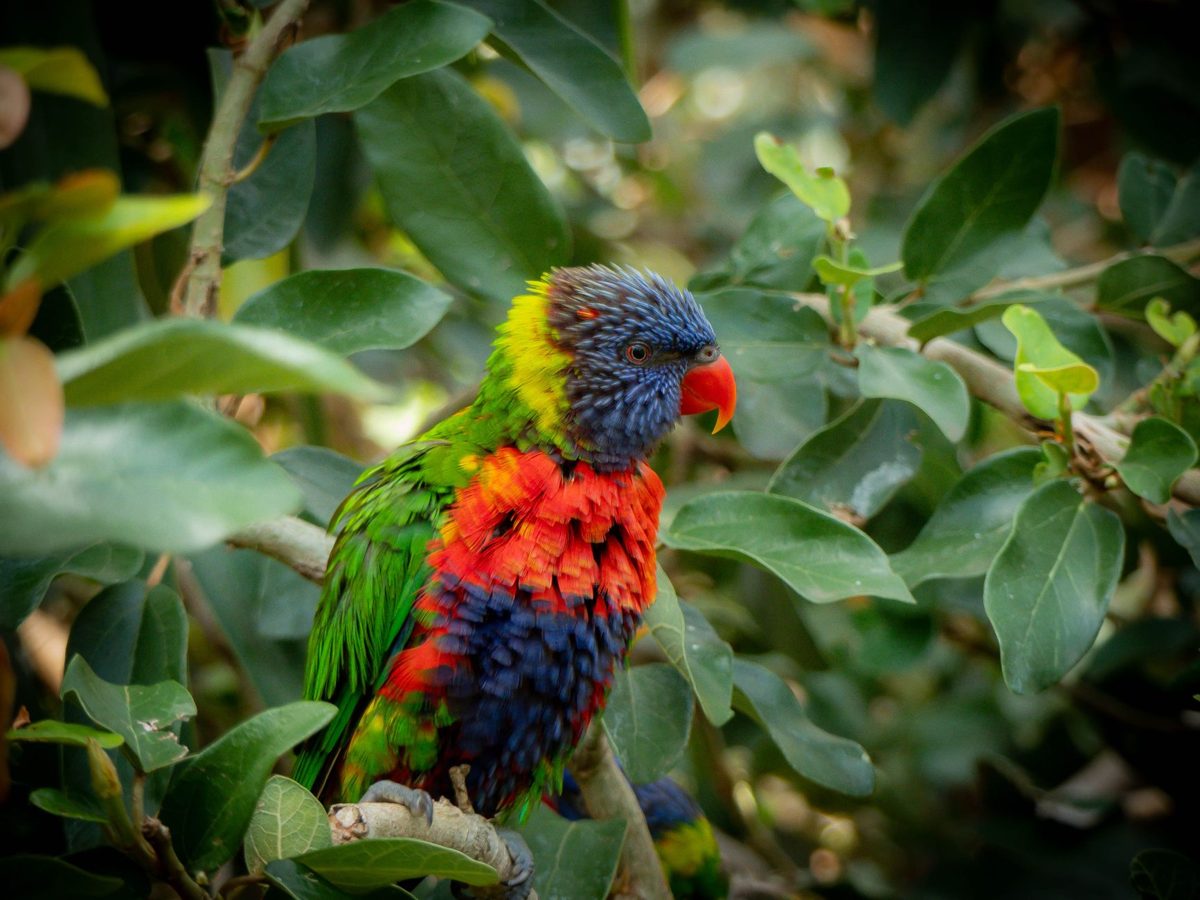
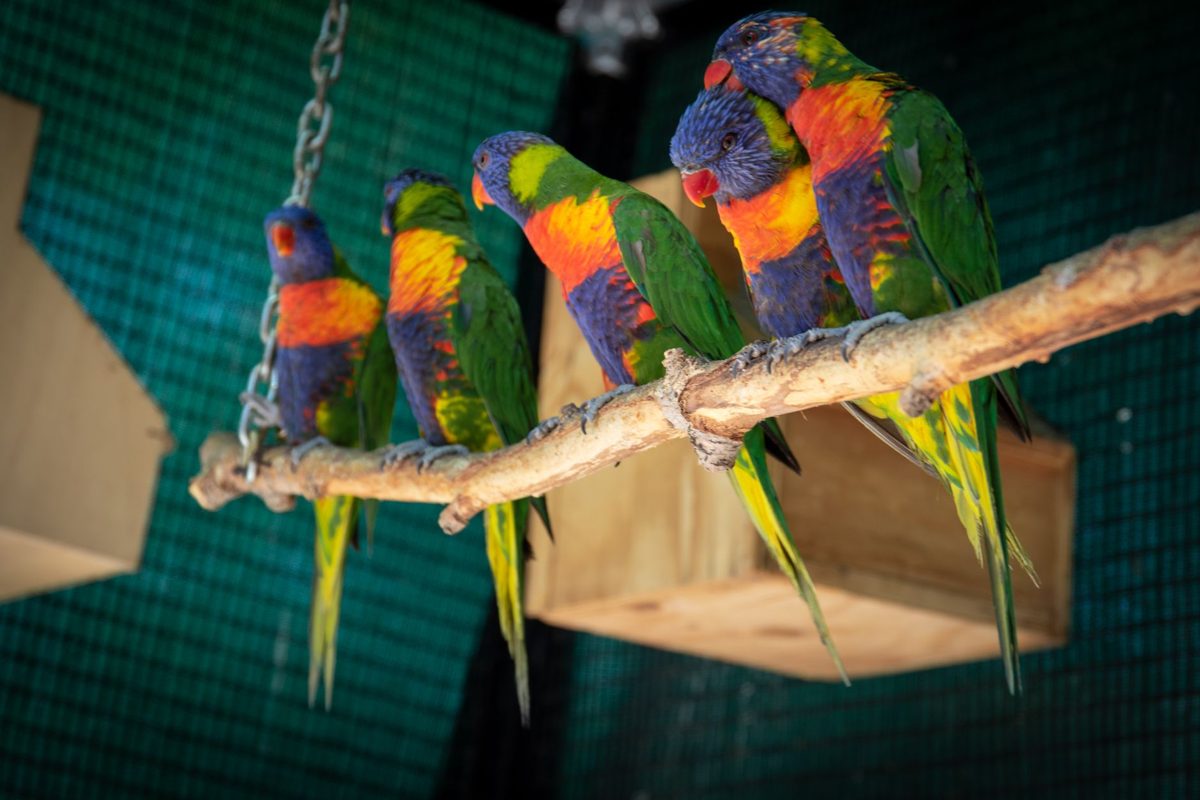
| Caiques, Quaker parrots, lorikeets | Appendix II | Required |
| Fischer's lovebird and other lovebird species | Appendix II | Required |
| Java sparrow | Appendix II | Required |
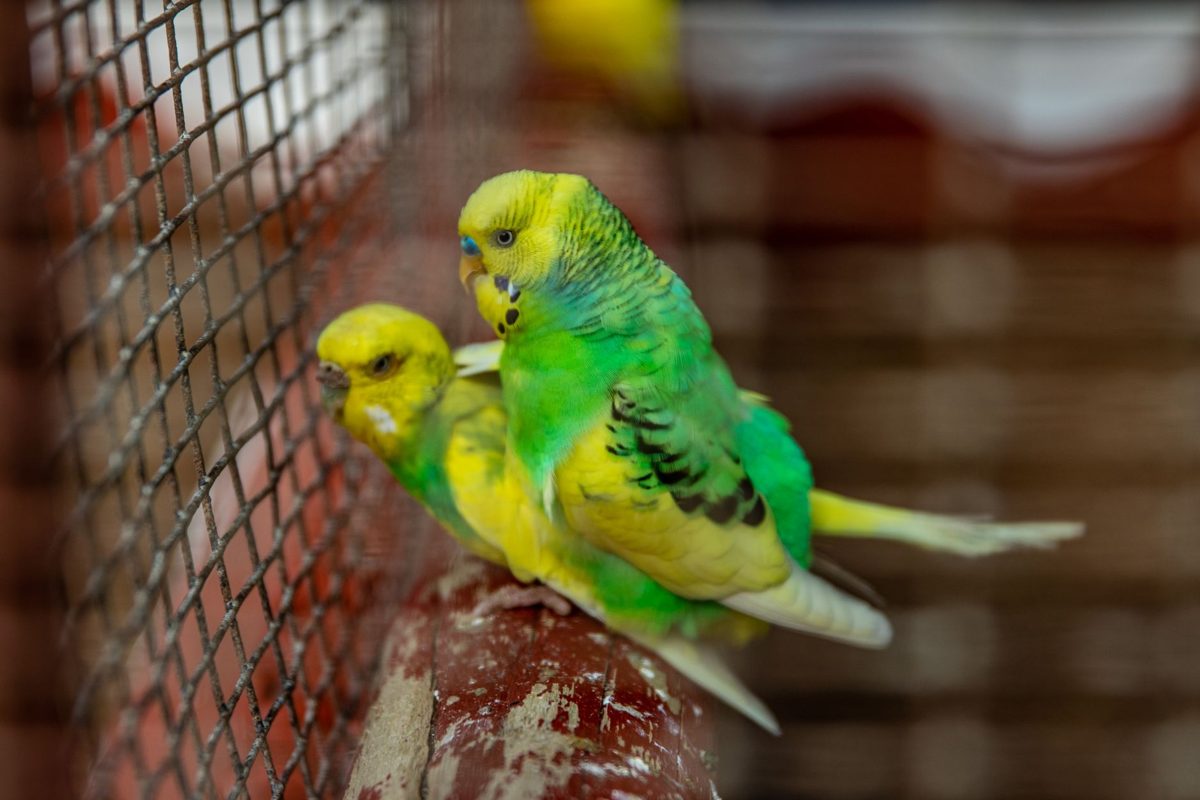
| Budgies | Not listed | Not required |
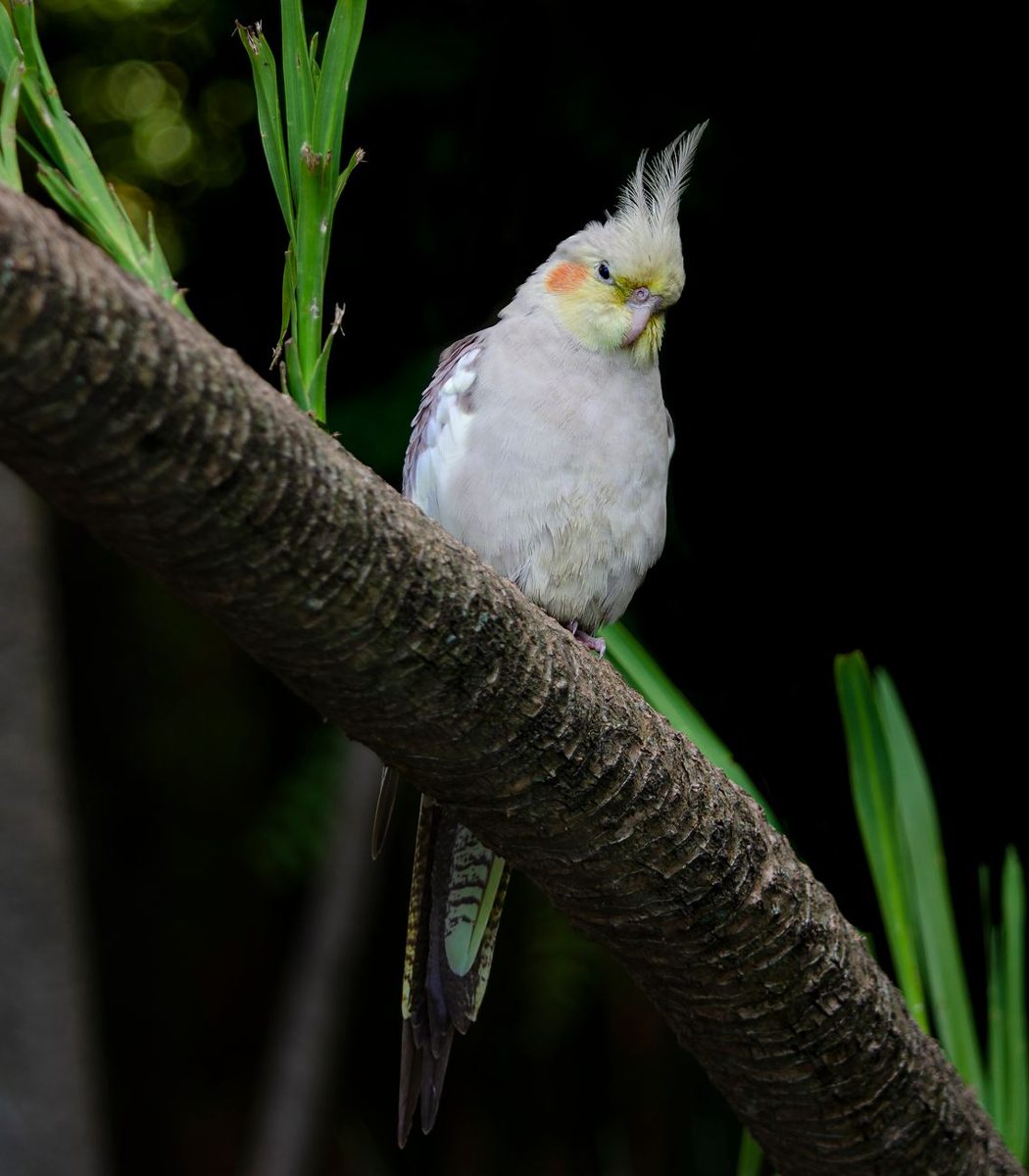
| Cockatiels | Not listed | Not required |
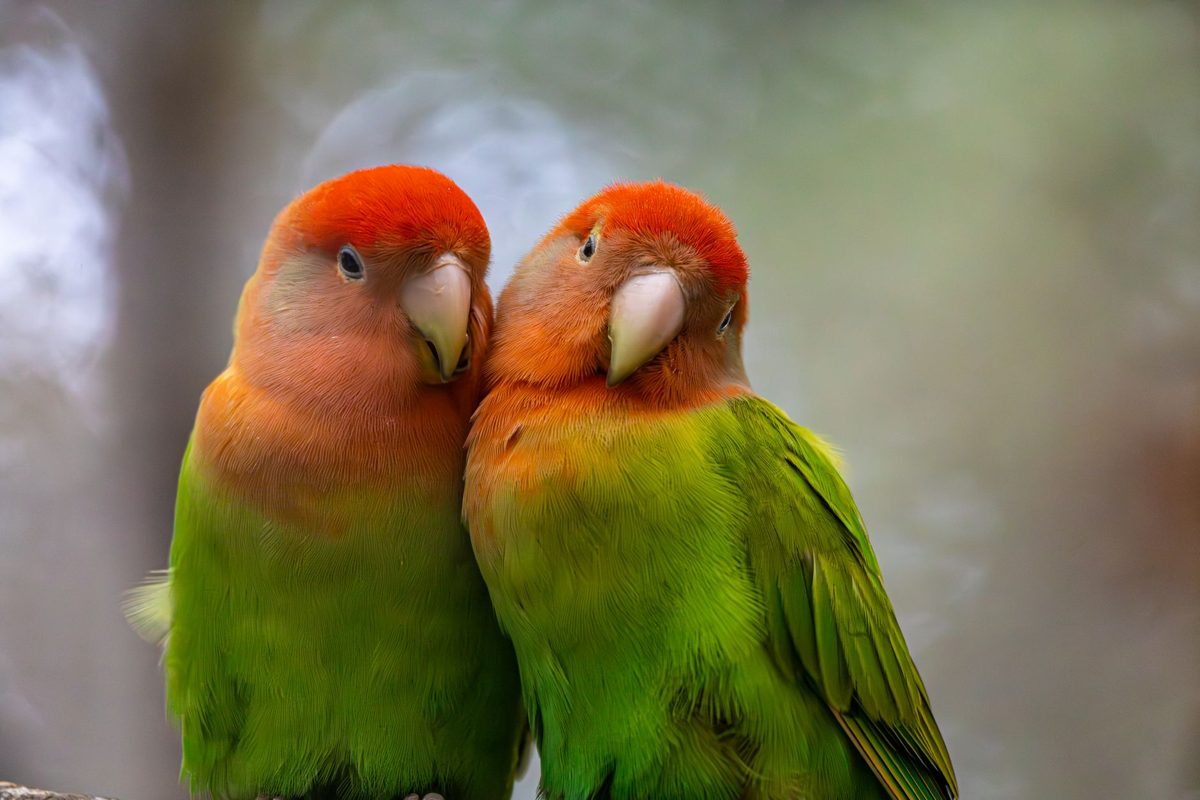
| Peach-faced lovebirds and their colour mutations | Not listed | Not required |
| Indian parakeets (tota), mynas, munias | Native Indian species | Cannot be kept at all |
Two points trip people up. First, lovebirds are not all the same: the peach-faced lovebird is outside CITES, but Fischer's, masked and other lovebird species are not. Second, some owners and some state forest departments do register cockatiels anyway. If in doubt, ask your state wildlife office; registering a bird that does not strictly need it does no harm.
What about Indian parakeets and other native birds?
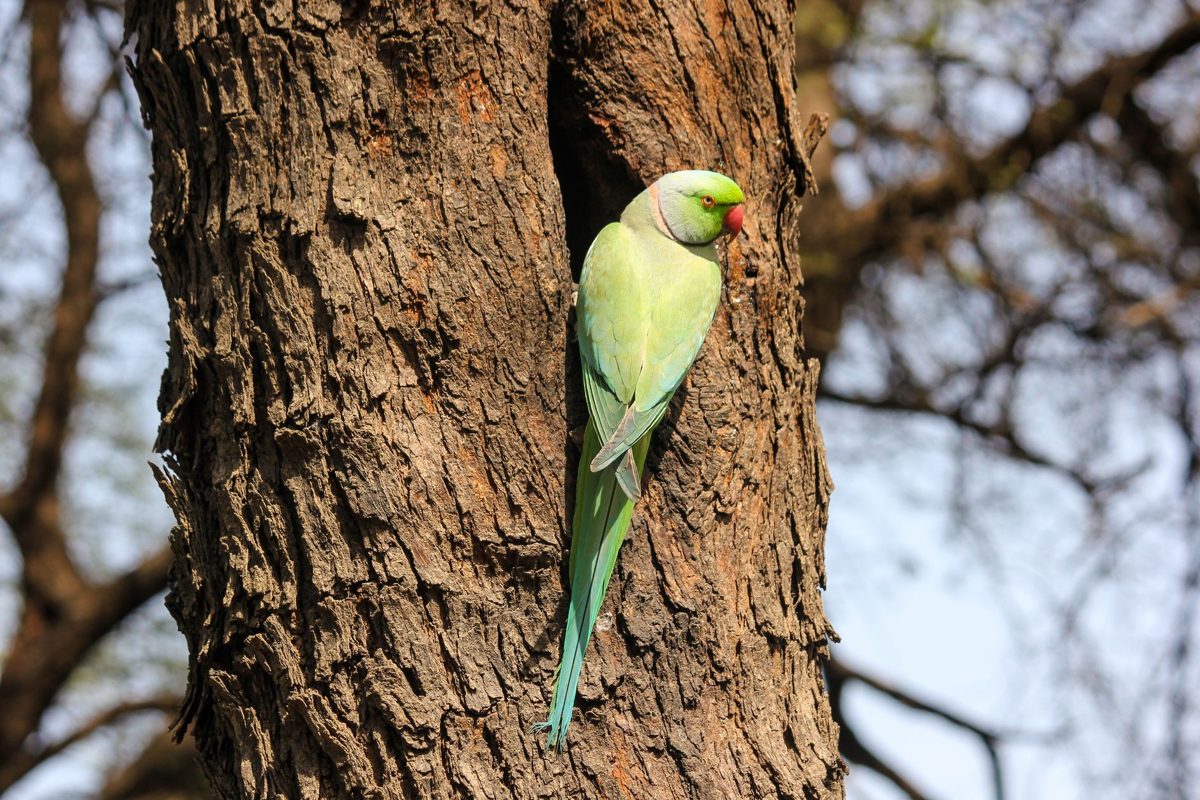
PARIVESH is only for exotic species. It is not a way to legalise a native bird. The rose-ringed parakeet (the common green tota), Alexandrine and plum-headed parakeets, hill and common mynas, and munias are Indian wild birds protected under the Wild Life (Protection) Act. Catching, buying, selling or keeping them as pets is an offence, registration or not. If someone offers you a "registered" Indian parakeet, walk away.
Why is PARIVESH registration required?
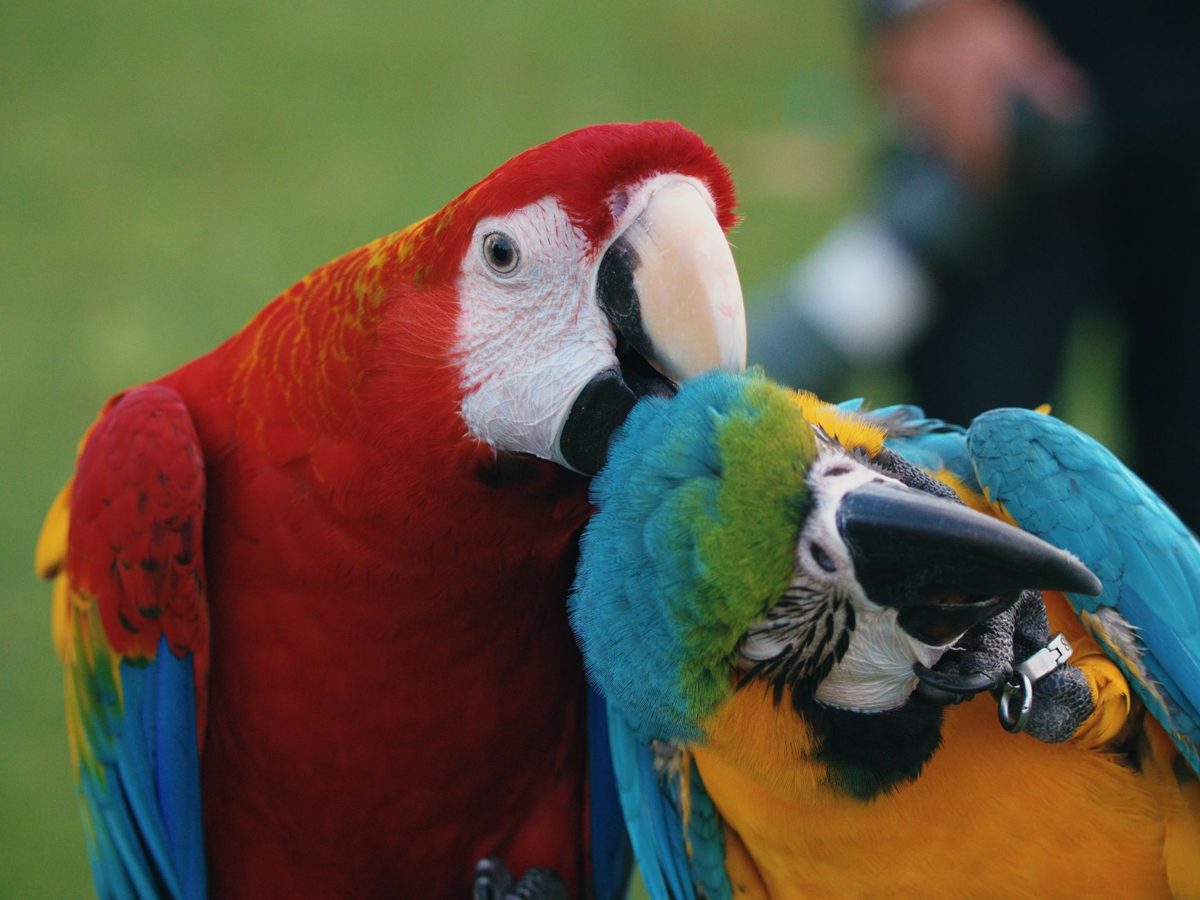
Before 2022, India had no proper record of the exotic animals kept in homes and farms. Birds entered the country through legal imports, through smuggling, and through breeding here, and once they were in a cage nobody could tell which was which. That gap allowed illegal wildlife trade to hide inside the legal pet trade.
Registration closes that gap in a few ways:
- It creates a national record of who holds which exotic animals, so legally bred and imported birds can be told apart from smuggled ones.
- It meets India's duties under CITES, the international treaty that controls trade in endangered species.
- It protects the birds: registered keepers must arrange regular vet checks, prevent escapes, and keep exotic birds from breeding with Indian wild species.
- It protects Indian wildlife: escaped exotic birds can compete with native birds and carry diseases, so escapes must be reported within 24 hours.
How PARIVESH registration helps you as a bird owner
Registration is not just a duty. For the owner of a valuable, long-lived parrot, it is a genuine benefit:
- Legal proof of ownership. The registration certificate (Form III) is official evidence that you hold the bird lawfully. If anyone questions it, you have a government document, not just a shop receipt.
- Protection from seizure. An unregistered Schedule IV bird can be treated as Government property. A registered one cannot be taken from you simply for being exotic.
- Easier to sell, gift or rehome. Buyers who know the law ask for the certificate. A registered bird can be transferred cleanly, with a 15-day report, and its value holds.
- Registered chicks. If your birds breed, the chicks can be registered too, so they can be sold or kept legally.
- Peace of mind when moving. If you relocate to another city or state, the certificate shows the bird's legal status wherever you go.
- Inheritance. Macaws, cockatoos and African Greys can outlive their owners. A registered bird can pass to family members with a clear record.
- A buyer-protection check. Asking a seller for their registration number is the quickest way to avoid a bird of illegal origin.
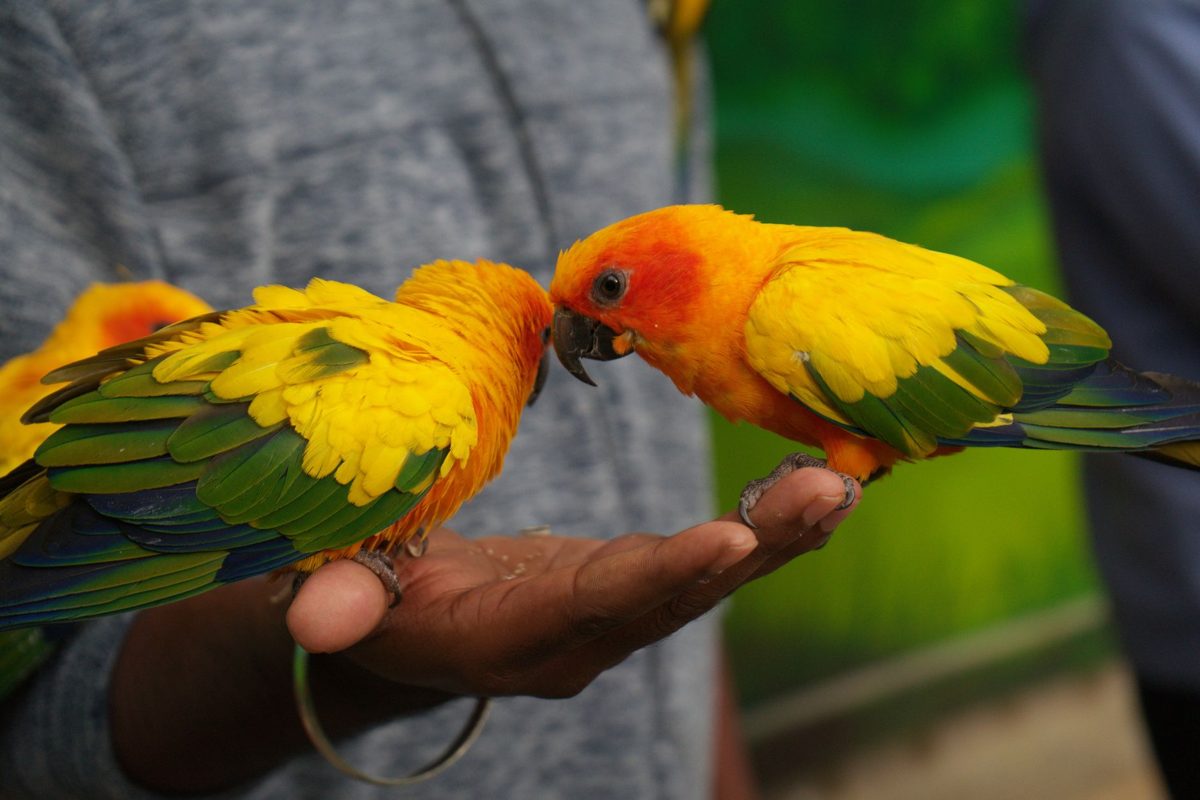
Is there any problem in keeping exotic birds with PARIVESH registration?
No. Registration does not take your bird away, does not limit how many you can keep, and does not stop you keeping it at home as a pet. What it does bring is a set of responsibilities that responsible keepers mostly follow already. Under Rule 7 of the 2024 Rules, a registered keeper must:
- Get a vet health check at least once every six months and keep a health record (Form IV).
- Allow inspection: show the birds and records to the area forest officer when asked.
- Prevent escapes, and report any escape to the nearest forest office within 24 hours. You are liable for any damage an escaped animal causes.
- Not let the birds mix or breed with Indian native species.
- Report every change: births within 7 days, transfers within 15 days, and deaths with a vet's post-mortem report.
- Follow the captive-breeding rules (Section 49N) if you breed Appendix I species such as the African Grey.
A registration can be refused or cancelled only if the application is incomplete, the law has not been followed, or false information was given, and only after you have been given a hearing. You can appeal a refusal or cancellation to the Central Government within 60 days.
What happens if you keep an exotic bird without PARIVESH registration?
Rule 11 says any Schedule IV animal without a registration certificate will be dealt with under Section 49Q of the Act, which makes species involved in an offence Government property. In practice, that means:
- Your bird can be seized by the forest department, and you may never get it back.
- You can face proceedings under the Wild Life (Protection) Act.
- You cannot legally sell, gift or transfer the bird, and any chicks it produces are unregistered too.
- Buyers who know the rules will not buy from you, so the bird loses its value.
Forest departments in several states have publicly asked exotic pet owners to register, and seizures of unregistered exotic animals have been reported. With a ₹1,000 government fee and a 30-day window, there is no good reason to take the risk.
How to register your exotic bird on PARIVESH 2.0

- Create an account on the PARIVESH 2.0 portal (parivesh.nic.in) and choose the living animal species registration service.
- Fill in Form I: owner's name with Aadhaar number, address (and the facility address if different), phone, email, purpose (pet, breeding, research or other), and for each bird its common and scientific name, number, sex and a photo.
- State how you acquired the bird (purchase, birth, import, inheritance) and the date.
- Upload documents: address proof, proof of acquisition such as the purchase invoice, the seller's registration certificate number if the bird was registered, or the import licence and CITES export permit for an imported bird.
- Pay the ₹1,000 fee online and submit to your state's Chief Wildlife Warden.
- Verification: the application goes to the Deputy Conservator of Forests for your area within 15 days, and an officer may inspect the birds and premises and report within 30 days.
- Certificate: the registration certificate (Form III) is issued electronically within 15 days of that report. Keep a copy safe; you will need its number for every future birth, transfer or death report.
| Event | Deadline | Govt fee |
|---|---|---|
| New bird comes into your possession | 30 days | ₹1,000 |
| Chick hatches from registered birds | 7 days | ₹1,000 |
| Bird sold, gifted or transferred | 15 days | As for registration |
| Bird dies | Report with vet post-mortem | None stated |
| Bird escapes | 24 hours, to the nearest forest office | None |
| Vet health check | At least every 6 months | Vet's own fee |
Source: Living Animal Species (Reporting and Registration) Rules, 2024, Gazette of India, 28 February 2024. Processing times vary by state; check with your state forest department for local practice.
PARIVESH registration when you buy from Nearby Pets India
On eligible exotic bird listings you will see a Certification choice:
- Company Purebred Certificate (default): our certificate for the species you buy.
- Parivesh Registration (+₹2,499): covers the official PARIVESH documentation, record generation and compliance processing for your bird. The certificate is issued in the owner's name, so you will be asked for the details the form requires.
For CITES-listed birds, choosing Parivesh Registration is the simplest way to start legal from day one. If you prefer to apply yourself, ask us for the purchase invoice and the bird's details and you can file within 30 days. Not sure whether your bird needs it? Message us on WhatsApp before you book. Budgie, cockatiel and peach-faced lovebird listings do not show the Parivesh option at all, because these birds are outside CITES and do not need it.
Planning your first parrot? Read our Sun Conure guide for India, and keep our guide to bird diarrhoea, soft food and fungal infections handy for the six-monthly vet checks.
The bottom line
PARIVESH registration is the law for exotic, CITES-listed birds in India, and it works in the owner's favour: it is your proof that the bird is legally yours, it protects the bird from seizure, and it makes selling, gifting, breeding and moving straightforward. The duties that come with it are regular vet care, honest reporting and not letting birds escape, which is what good bird keeping looks like anyway. Register within 30 days, keep the certificate safe, and report every birth, sale and death on time.
Frequently asked questions
What is PARIVESH registration for exotic birds?
PARIVESH is the Government of India's online single-window portal of the Ministry of Environment, Forest and Climate Change. Since the Living Animal Species (Reporting and Registration) Rules, 2024, anyone who keeps an exotic animal listed in Schedule IV of the Wild Life (Protection) Act, which covers CITES-listed species such as African Greys, macaws, cockatoos and conures, must register it through PARIVESH 2.0 with the state's Chief Wildlife Warden.
Is PARIVESH registration mandatory for exotic birds in India?
Yes, for CITES-listed species. Section 49M of the Wild Life (Protection) Act, added in 2022, requires holders of Schedule IV animals to report and register them. New birds must be registered within 30 days of coming into your possession.
Which pet birds need PARIVESH registration?
Almost all exotic parrots are CITES-listed and need it: African Grey, macaws, cockatoos including the Galah, Amazon parrots, Eclectus, conures (Sun, Green-cheeked, Jenday and others), caiques, lorikeets, Quaker parrots and lovebird species such as Fischer's. Some exotic finches, such as the Java sparrow, are listed too.
Do budgies and cockatiels need PARIVESH registration?
Generally no. CITES lists all parrots except four species: the budgerigar, cockatiel, peach-faced lovebird and rose-ringed parakeet. Budgies, cockatiels and peach-faced lovebirds are therefore not Schedule IV birds. Some owners still choose to register them, so check with your state forest department if you are unsure.
What is the government fee for PARIVESH registration?
The Rules set a fee of ₹1,000 for each application, whether for possession, a birth or a transfer. On Nearby Pets India, the optional Parivesh Registration add-on (₹2,499) covers the official PARIVESH documentation, record generation and compliance processing for eligible birds.
How long does PARIVESH registration take?
Under the Rules, the authority forwards a complete application to the Deputy Conservator of Forests within 15 days, the officer verifies the birds and premises and reports within 30 days, and the certificate (Form III) is issued within 15 days of that report. In practice it can take one to two months, and timelines vary by state.
What happens if I keep an exotic bird without PARIVESH registration?
An unregistered Schedule IV bird is treated under Section 49Q of the Wild Life (Protection) Act, which makes species involved in an offence Government property. In practice, that means the bird can be seized, and the owner can face proceedings under the Act. Registration is what proves you hold the bird legally.
Are there any problems or downsides once my bird is registered?
No legal downside, only responsibilities. You must report births within 7 days, transfers within 15 days and deaths with a vet's post-mortem report, get a vet health check at least every six months, keep health records, allow inspection by a forest officer, report an escape within 24 hours, and not let the bird breed with Indian native species. Most responsible keepers already do most of this.
Do I need to register the chicks if my registered birds breed?
Yes. Every chick of a registered Schedule IV bird must be reported and registered within 7 days of hatching, with a ₹1,000 fee per application. For Appendix I species, such as the African Grey, captive breeding is also governed by Section 49N of the Act.
Can I keep an Indian parakeet (tota) or myna if I register it on PARIVESH?
No. PARIVESH registration is only for exotic, CITES-listed species. Native Indian birds such as the rose-ringed parakeet (tota), Alexandrine and plum-headed parakeets, munias and mynas are protected under the Wild Life (Protection) Act, and keeping them as pets is illegal whether or not you try to register them.
What documents do I need for PARIVESH registration?
Form I asks for the owner's name with Aadhaar number, address, phone and email, the species, number and sex of the birds with photos, how and when you acquired them, and proof of acquisition such as a purchase invoice. Birds acquired by import need the import licence and CITES export permit, and a bird bought from a registered owner needs the seller's registration certificate number.
What happens to the registration when I sell or gift my bird?
You report the transfer in Form I within 15 days, and the new owner applies for registration in their name. Always ask for the previous owner's registration certificate number when you acquire a bird, because the new application asks for it.