On the evening of 23 October 2026, our support centre was as busy as it usually is. Phones were ringing, WhatsApp chats were coming in, and people were asking about Labrador puppies, Persian kittens and delivery dates.
Our toll-free line sends each call to whichever centre has a free agent. This call went to our Chandigarh centre, where most of the team speaks Hindi, Punjabi and English, and very little Tamil. It came from Pudupatti, a small village in Thanjavur district, Tamil Nadu.
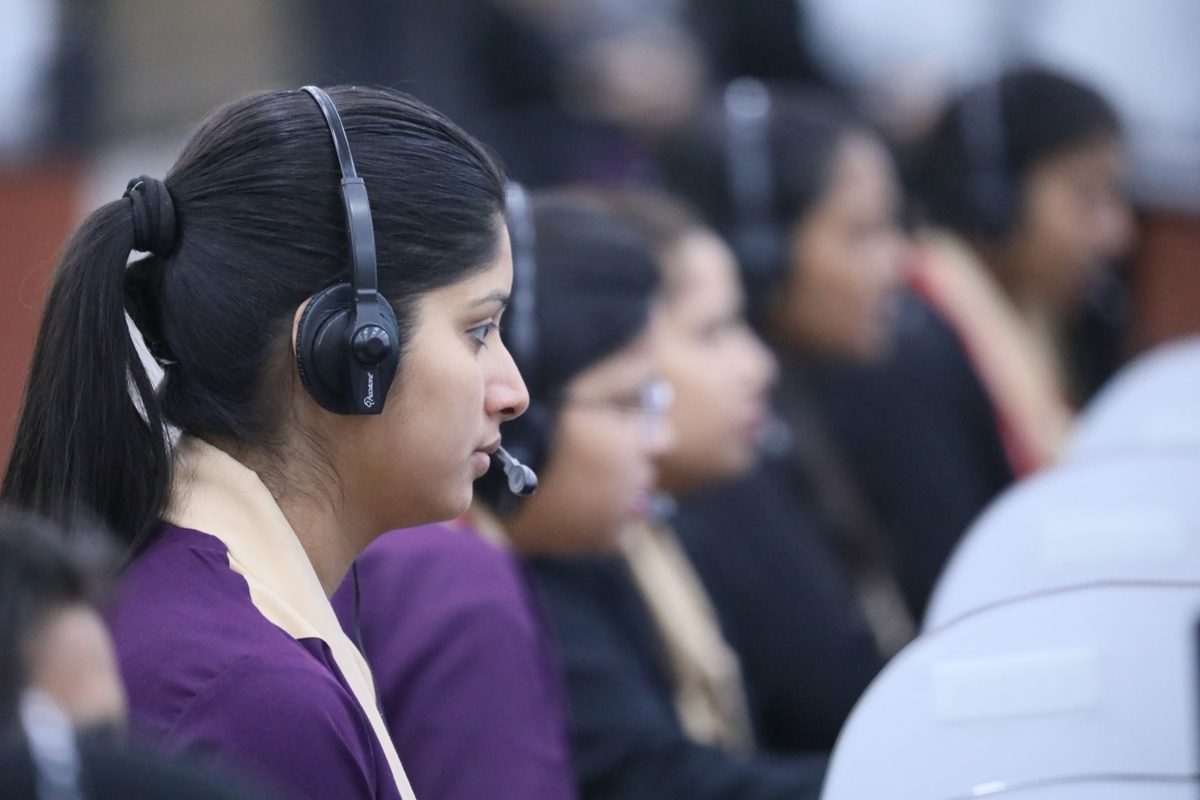
With some broken English, some Tamil, and a lot of patience on both sides, the caller got his request across:
"I am looking for Macaw eggs and Cockatoo eggs."
The agent paused and checked that she had heard it right. Not chicks, not birds, but eggs.
"What will you do with the eggs?"
Our team was curious, so we asked him why. His answer was simple and confident:
"I am not that much educated. But I have experience in chicken egg brooding. I have cracked it."
Then he told us something that silenced the room:
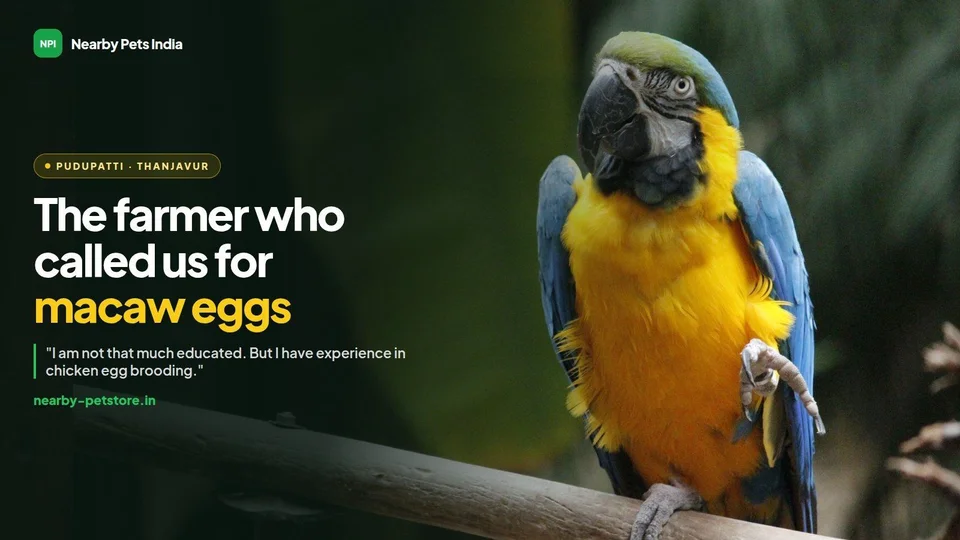
"I have also raised a Blue and Gold Macaw chick. From the egg."
This man lives in a village most people outside Tamil Nadu have never heard of. He has no degree in avian science and no fancy lab. He has spent years hatching chickens, and he has used that experience to hatch and hand-raise one of the most expensive parrots in the world.
Why this is a bigger deal than it sounds
Hatching chicken eggs and hatching macaw eggs are not the same job.
| Chicken egg | Macaw egg | |
|---|---|---|
| Incubation period | About 21 days | About 24 to 28 days |
| Margin for error | Forgiving | Very little |
| After hatching | Chick feeds itself within hours | Hand-fed every 2 to 3 hours, day and night, for weeks |
| Value of one egg | A few rupees | Several thousand rupees or more |
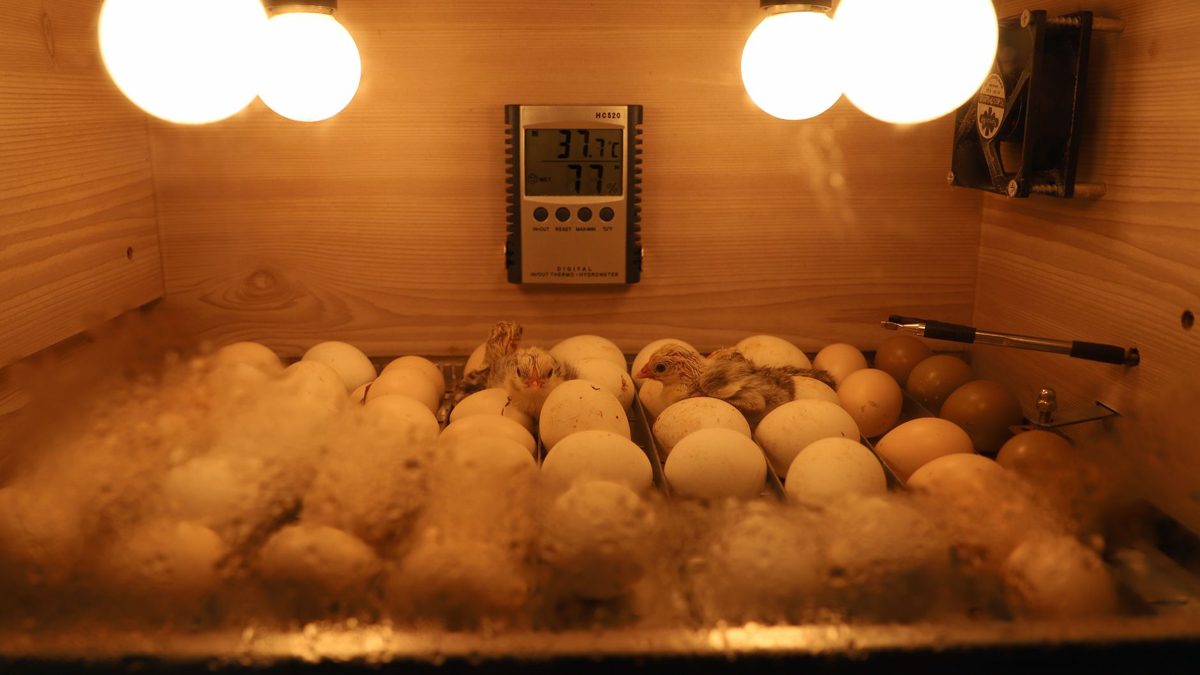
A macaw chick is born blind, featherless and completely helpless. Someone has to keep it warm, feed it formula with a spoon or syringe at the right temperature, and keep everything clean, around the clock, for weeks. One mistake with temperature, humidity or feeding can lose the bird.
He did it. In a village. Using what he learned from chickens.
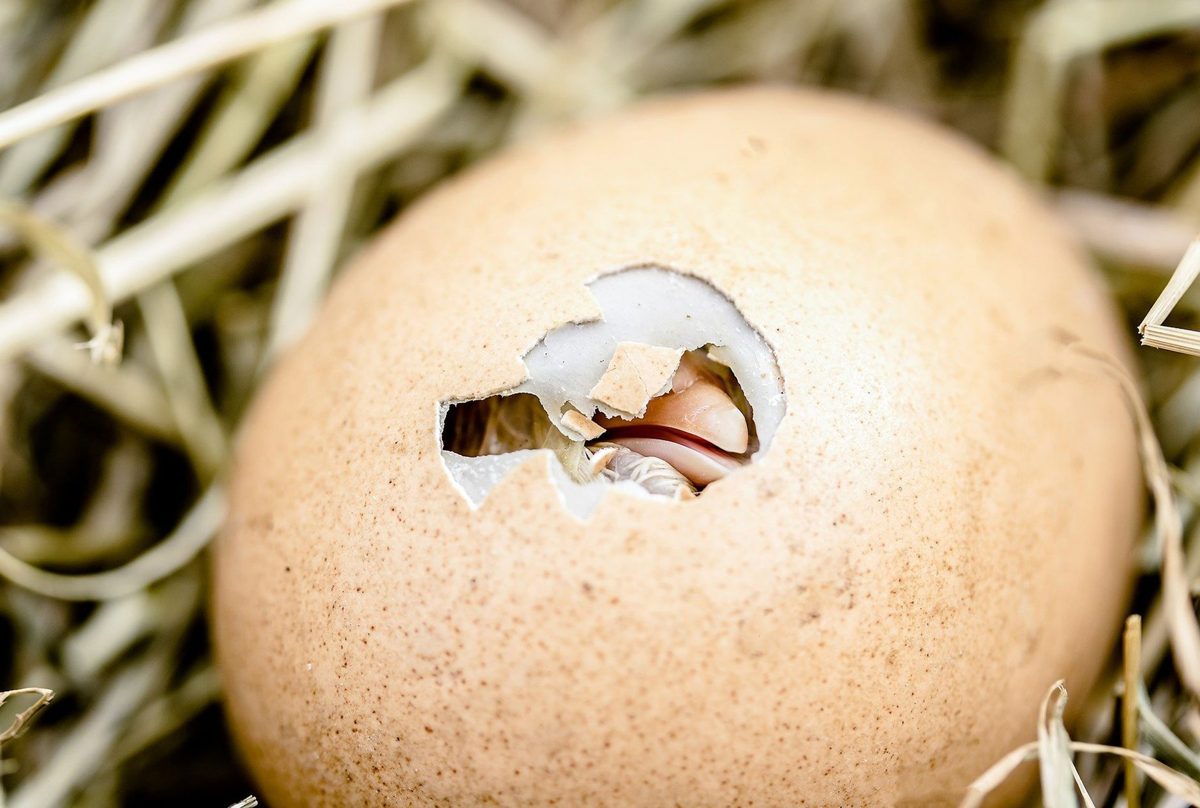
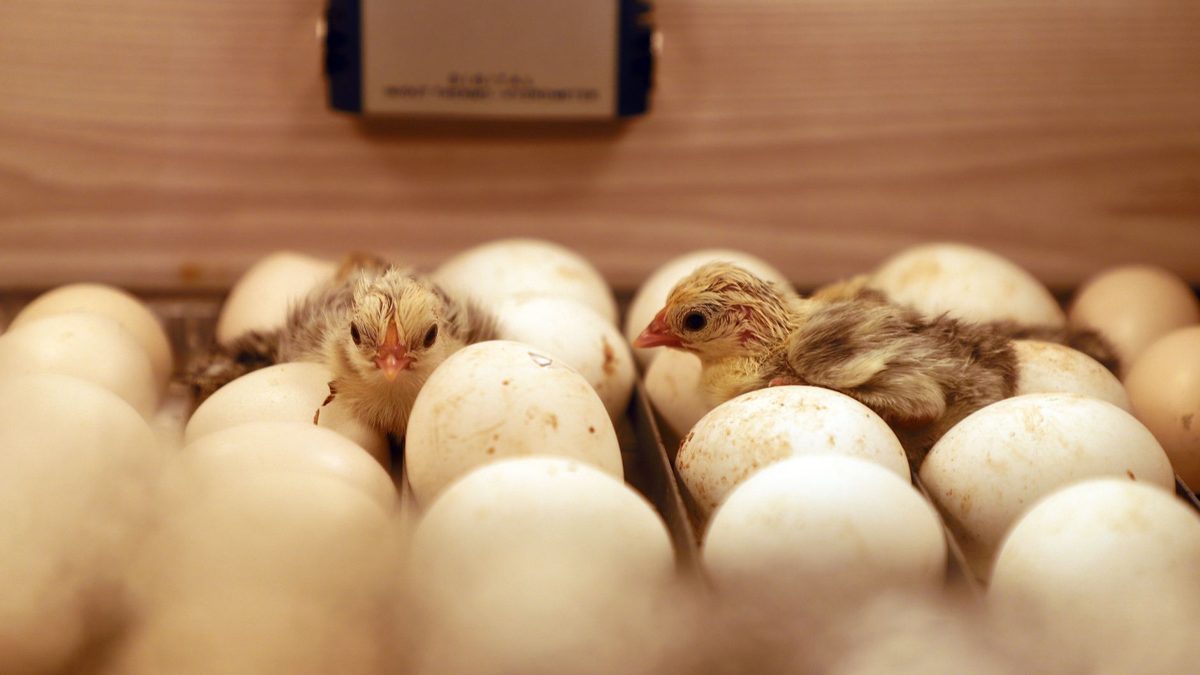
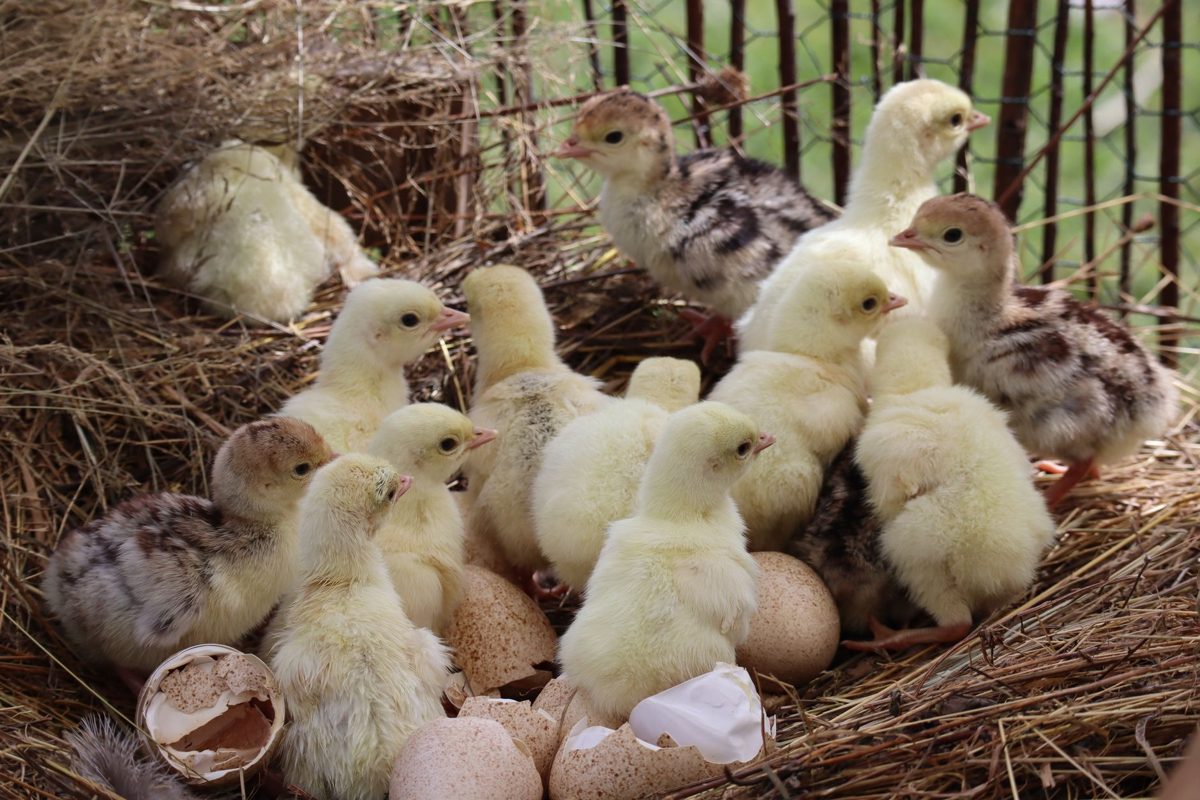
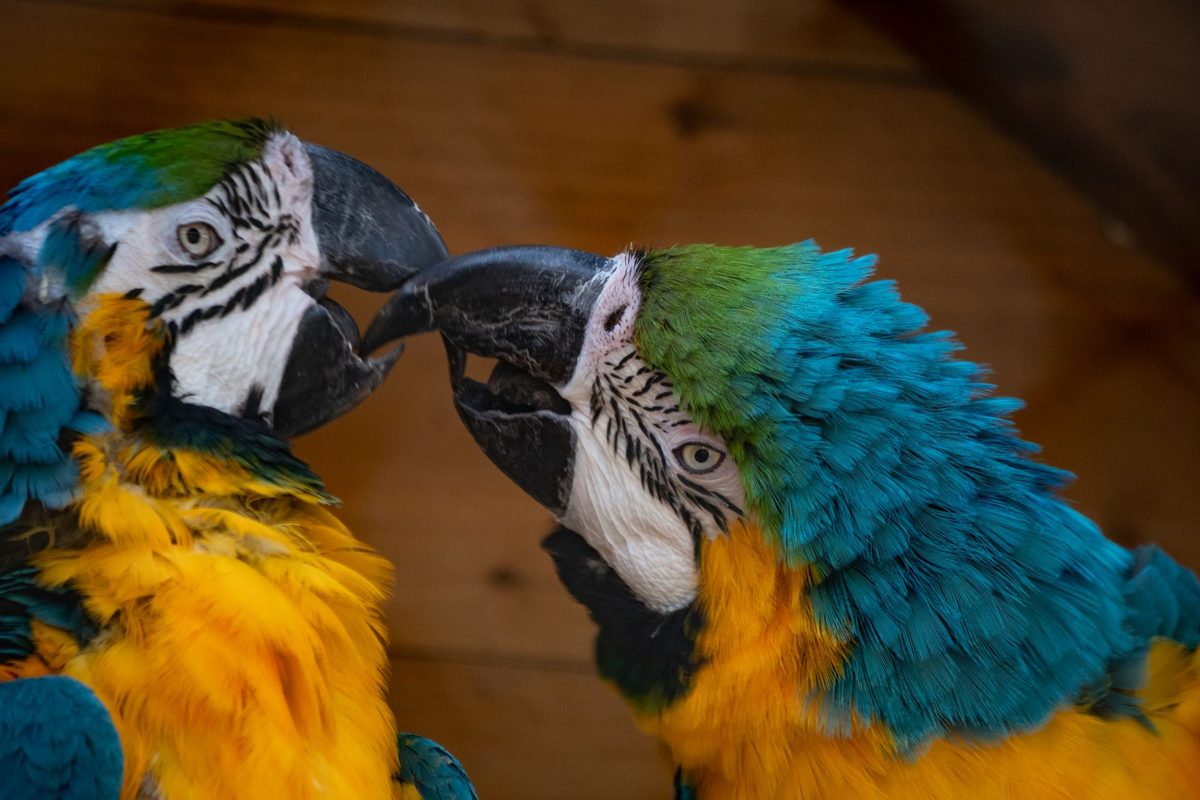
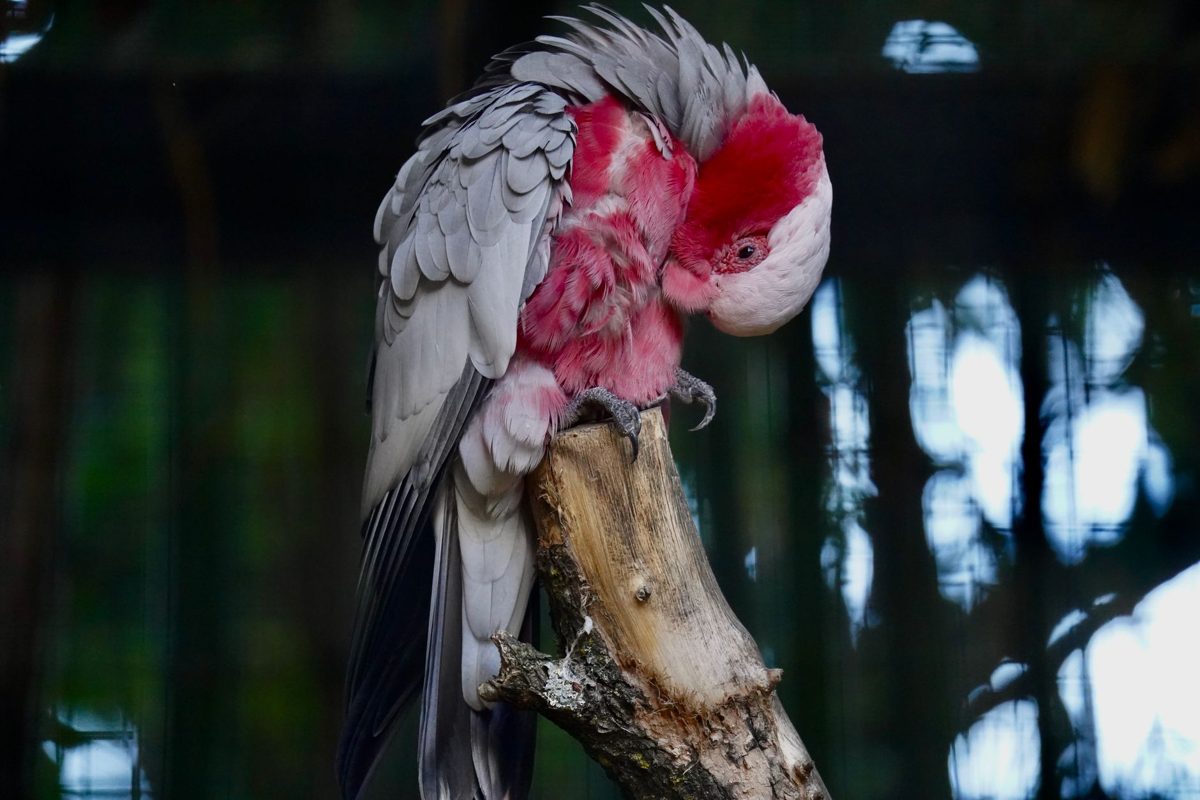
From egg to bird: swipe through the journey from a cracking shell to a fully feathered parrot.

The new village business: hatch, raise, sell
His call opened our eyes to something happening quietly across rural India. A new kind of livelihood is growing, and it works like this:
- Breeders with adult pairs of exotic birds now sell fertile eggs, not just chicks and adult birds.
- Skilled village incubator operators, often people with years of poultry experience, buy those eggs.
- They incubate, hatch and hand-raise the chicks.
- A hand-raised, tame chick sells for many times the cost of the egg.
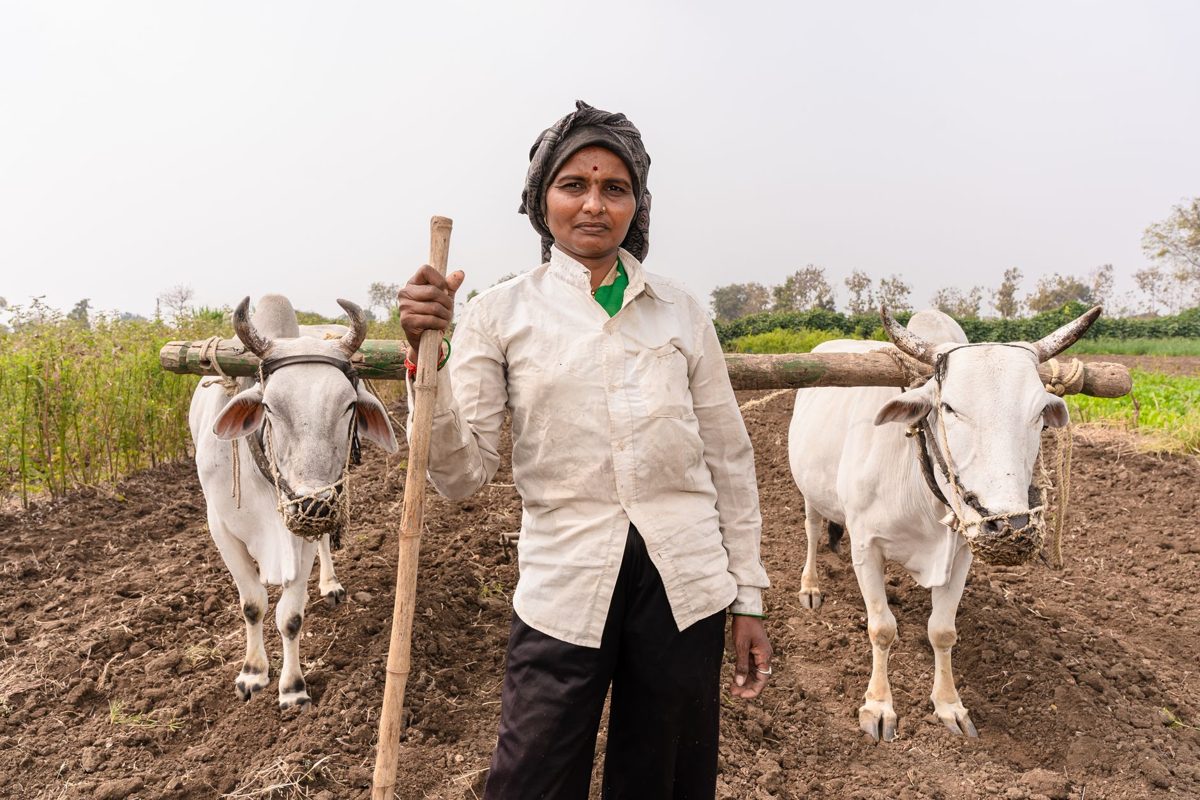
For a family in a village like Pudupatti, a handful of successful hatches can bring in more than months of farm work. They don't need a big shop, city rent or a lot of land. What they need is a skill they have already practised for years on chickens.
The skills villages already have
People in rural India sometimes think they are "not educated enough" to take part in modern businesses. Our caller said so himself in his first sentence. But think about what he actually knows:
- How to read an egg by candling it against light and telling fertile eggs from infertile ones
- How to hold temperature and humidity steady for weeks
- When to turn eggs, and when to stop
- How to help a chick that struggles to hatch
- How to feed and raise a newborn bird until it is strong
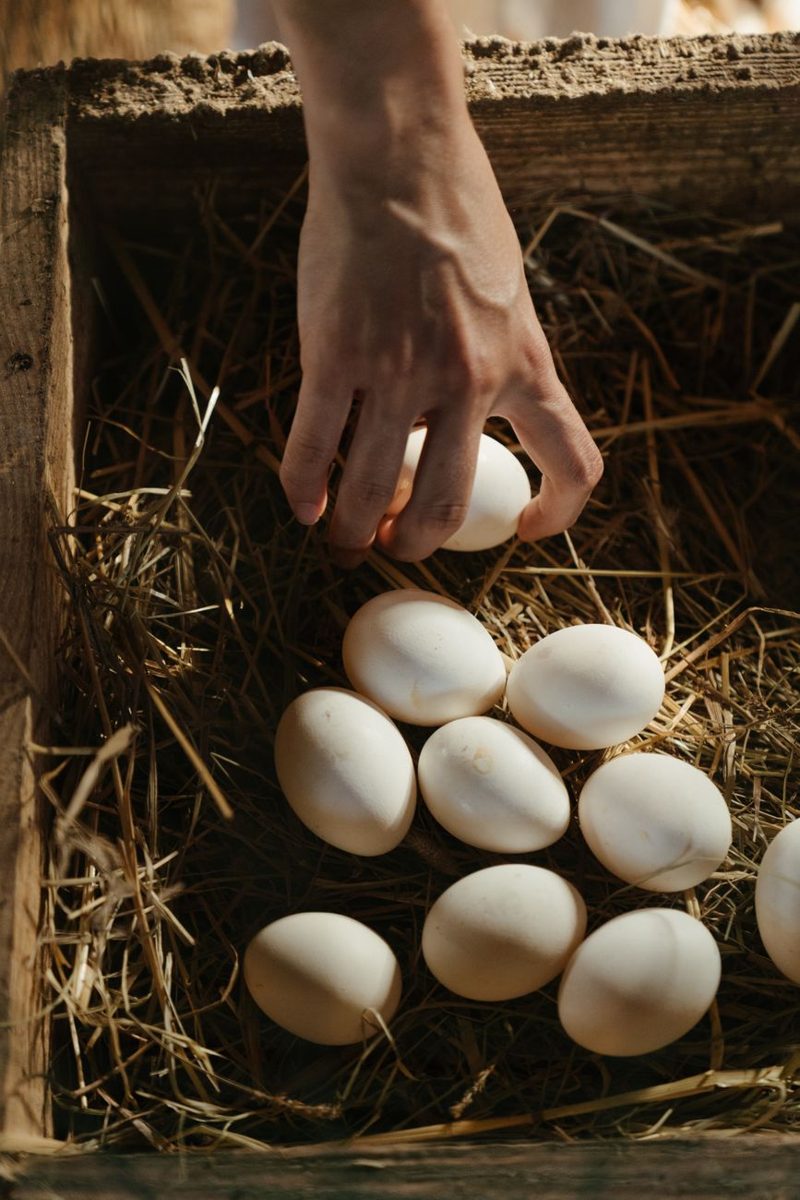
You can't learn any of that from a certificate. It comes from years of hands-on practice, and today that practice has real value in the market. His education came from experience, and that experience is making him money.
A word of responsibility
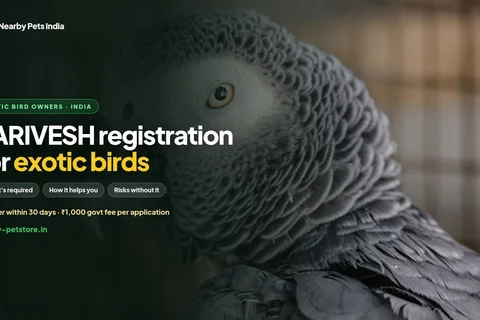
As a pet company, we also have to talk about doing this the right way. Exotic birds like Blue and Gold Macaws and Cockatoos are CITES-listed species. In India, people who keep and breed them must register the birds, and any new chicks hatched, on the government's PARIVESH portal under the Living Animal Species (Reporting and Registration) Rules. Our PARIVESH registration guide for exotic birds explains the steps and deadlines.
If you are thinking of starting an incubation business with exotic eggs:
- Buy only from genuine, registered breeders, never from unknown sellers
- Ask for documentation for the parent birds
- Register every chick you hatch within the time the law allows
- Never take eggs from the wild. It is illegal and it harms wild populations.
A business done legally lasts. A shortcut can cost you everything.
So, did we send him the eggs?
Not this time. We don't supply macaw or cockatoo eggs today, and that's what we told him.
But we didn't just say "no" and hang up. His call made us think. If village incubators like him can safely hatch and raise exotic birds, eggs from registered breeders could become a real option for them.
So we made him a promise: we will consider adding eggs in the future. If we ever do, we'll source them only from registered breeders, with proper documents, so every chick he raises can be legally registered.
He thanked us and said he would wait. We believe he will.
What we learned from one phone call
We get hundreds of calls every day, but this one stayed with the whole team.
On our side, a team in Chandigarh that barely spoke Tamil found a way to understand him. On his side, a man from a small village in Thanjavur, sure of his skill, told us what he wanted without hesitating, and he had already done what many trained people would be scared to try.
The world of pets in India is changing:
- People are no longer just buying pets. They are breeding, hatching and building businesses around them.
- Eggs, once ignored, are now a product in their own right.
- Some of the most skilled people in this industry are not in big cities. They are in villages like Pudupatti.
We didn't have what he asked for that evening, but he gave us an idea worth thinking about, and that is more than most calls give us.
To everyone who thinks "I'm not educated enough"
Remember the farmer from Pudupatti.
He started with chicken eggs, learned by doing, and kept improving. Today he is hand-raising Blue and Gold Macaws, a bird people in big cities pay a fortune to buy.
Skill is skill, wherever you learned it. The farm, the village, the backyard brooder all teach real lessons. If you combine what you already know with something new and stay honest about how you do it, the opportunity is often closer than you think.
Frequently asked questions
Does Nearby Pets India sell macaw or cockatoo eggs?
Not at the moment. We are considering it for the future. If we do, the eggs will come only from registered breeders with proper documents, so every chick hatched can be legally registered.
How long does a macaw egg take to hatch?
A Blue and Gold Macaw egg usually hatches in about 24 to 28 days, compared with about 21 days for a chicken egg. The chick then needs hand-feeding every 2 to 3 hours for several weeks.
Do chicks hatched from exotic bird eggs need to be registered in India?
Yes. Macaws and cockatoos are CITES-listed, so the parent birds and any chicks hatched from them must be registered on the PARIVESH portal within the time allowed under the Living Animal Species (Reporting and Registration) Rules.
Are you an experienced incubator or breeder? If you would be interested in fertile eggs from registered breeders, call our toll-free number or message us on WhatsApp and tell us about your experience. Our team will find a way to understand you, whatever language you speak.